
The Search for Serenity
So, what’s driving this shift? In a word: wellness. As urban life in India becomes faster and more digital, there’s a growing counter-movement toward creating homes that feel like a refuge. Designers and homeowners are looking to reconnect with the natural
world as an antidote to concrete jungles and screen fatigue. This isn't just about aesthetics; it's about biophilia—the idea that humans have an innate need to connect with nature. The goal is to design spaces that reduce stress, improve air quality, and foster a sense of calm. This turn towards organic forms and materials also represents a modern reinterpretation of a long-standing Indian tradition, where homes were often built with locally sourced, natural materials like terracotta, wood, and stone.
Bringing the Outdoors In
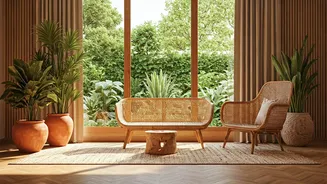
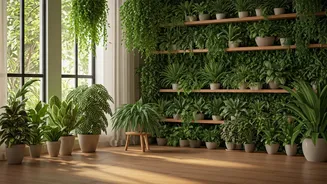
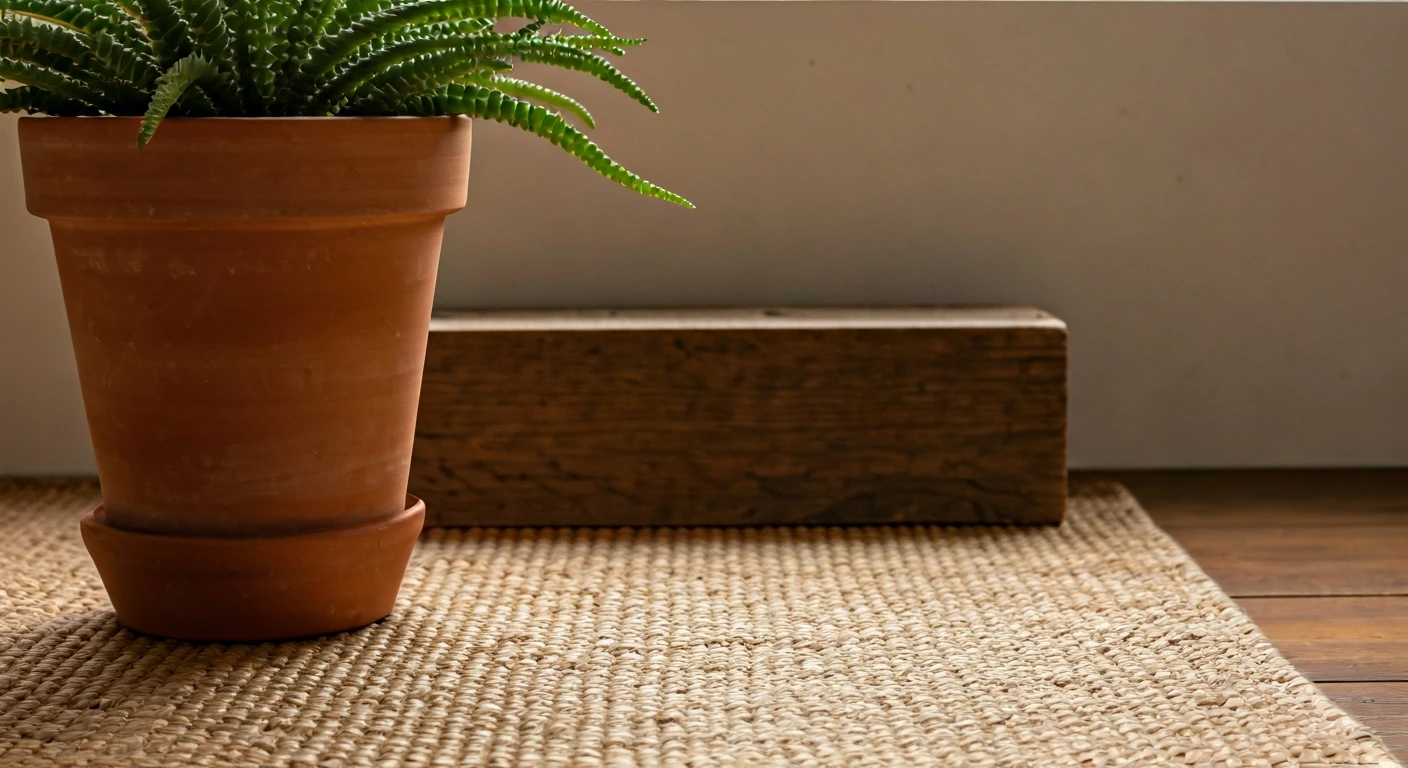
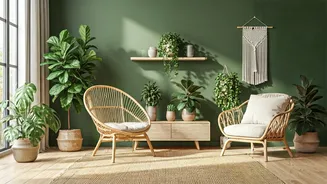
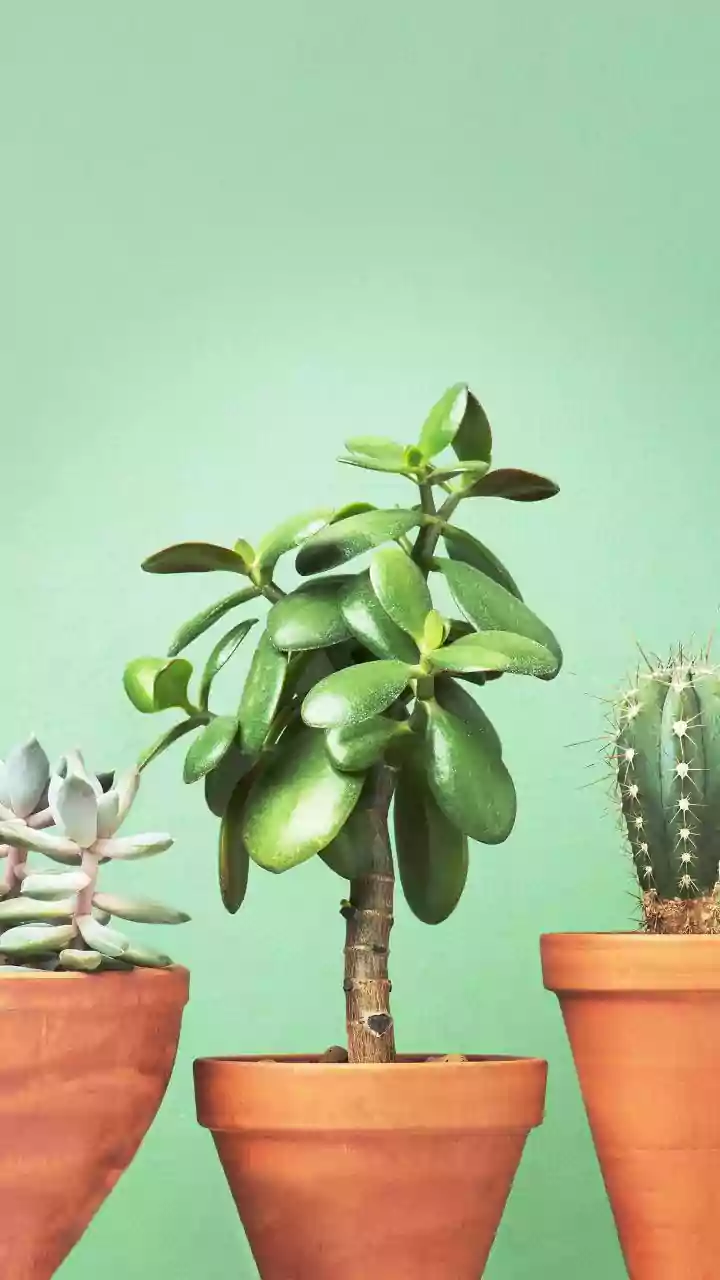
The most visible element of this trend is the explosion of houseplants. Balconies, living rooms, and even bathrooms are being transformed into mini indoor gardens. But it's more strategic than just placing a few pots around. It’s about creating lush, green focal points. Think statement-making fiddle-leaf figs in corners, trailing pothos cascading from high shelves, and clusters of snake plants that double as natural air purifiers. Terracotta pots, in all their earthy imperfection, are preferred over plastic. The effect is a space that feels alive, breathing, and constantly evolving. It blurs the line between inside and out, offering a daily dose of green that’s both visually stunning and mentally restorative.
The Reign of Rattan and Jute
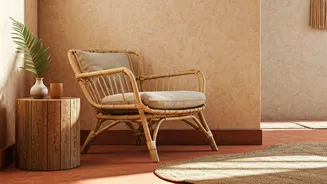
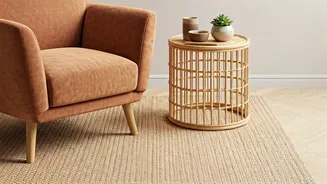
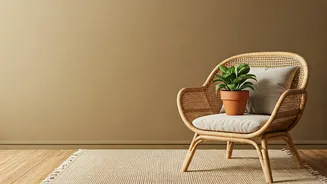
Move over, heavy, dark-wood furniture. The new stars of the Indian home are light, airy, and woven. Rattan, cane, bamboo, and jute are dominating everything from furniture to lighting and decor. These materials bring texture and warmth to a room without feeling heavy. A single cane armchair can make a modern living room feel more inviting, while a large jute rug can ground an entire space with its natural, fibrous texture. Woven lampshades cast a soft, diffused light, and wicker baskets offer a stylish solution for storage. This revival is also a nod to sustainability and traditional craftsmanship. Many of these pieces are handcrafted by local artisans, preserving age-old techniques while providing a livelihood—a story that adds another layer of meaning to the decor.
Embracing Imperfect Textures
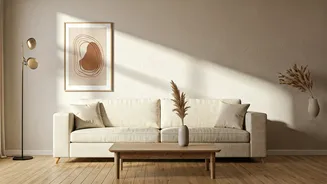
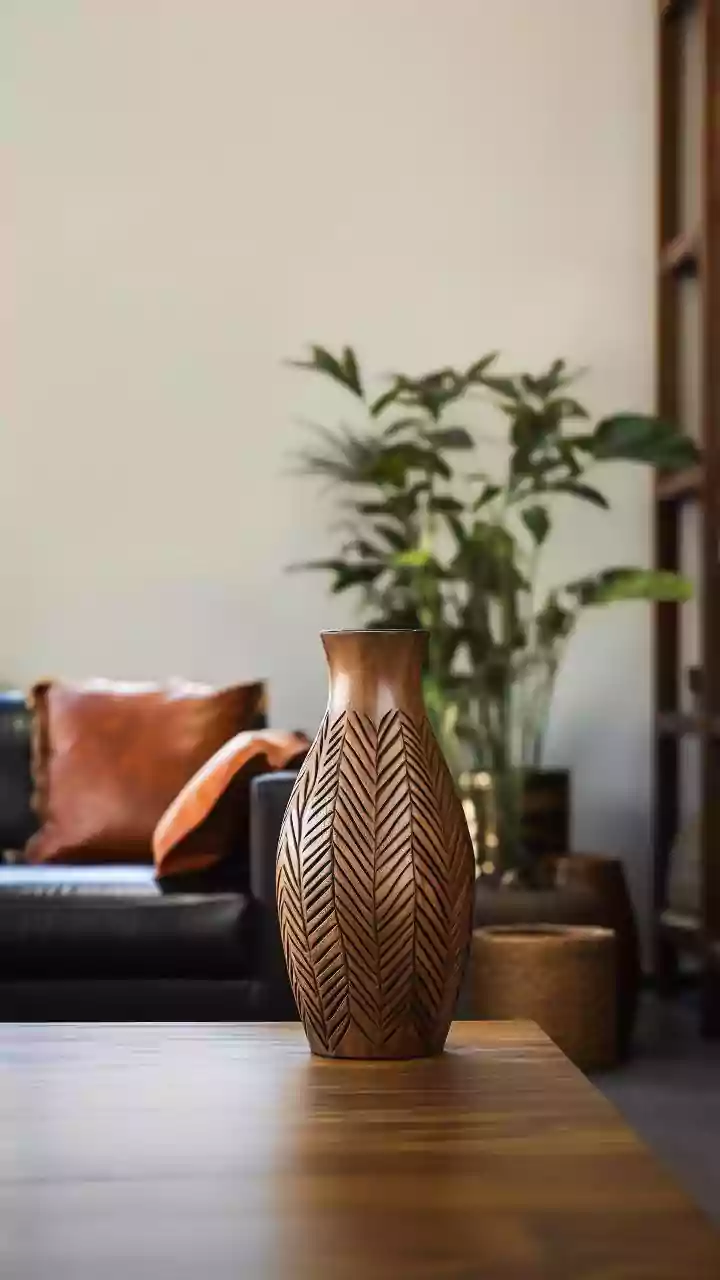
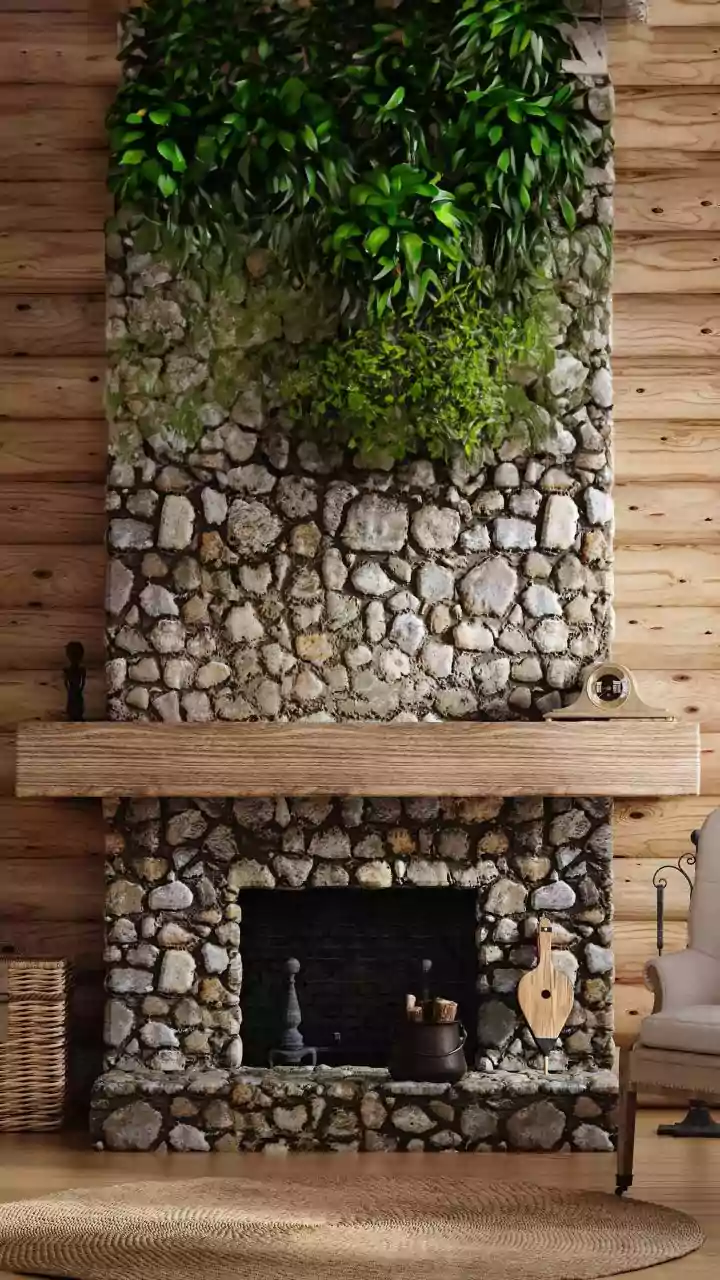
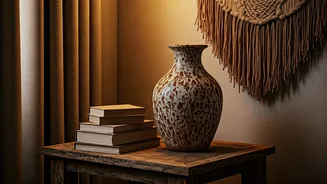
The pursuit of perfection is over. This new aesthetic celebrates natural materials in their most honest form. Instead of shiny polyester and velvets, textiles are now dominated by breathable, tactile fabrics like linen, hand-spun khadi cotton, and raw silk. These materials are chosen for their feel as much as their look. They wrinkle, they have slubs and imperfections, and that’s precisely the point. It’s a design philosophy that mirrors the Japanese concept of wabi-sabi—finding beauty in imperfection. This extends to other surfaces as well, with a renewed appreciation for unpolished stone, lime-washed walls (a traditional Indian finish), and handmade ceramics. Each piece tells a story of its origin, adding a layer of soul that mass-produced items can’t replicate.
How to Get the Look
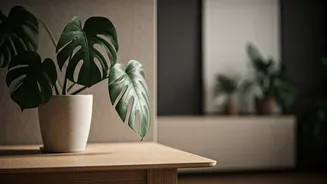
Inspired by this earthy, serene style? You don’t need to be in Mumbai or Bangalore to adopt it. Start small. Introduce a few easy-to-care-for plants like a ZZ plant or a monstera to bring life into a sterile corner. Swap out a synthetic rug for one made of jute or sisal to instantly add texture and warmth. Look for accessories made from natural materials—a woven pendant light, a set of rattan placemats, or a large wicker basket for your throw blankets. When choosing textiles for cushions or throws, opt for linen or a chunky cotton knit. The key isn't to create a theme park of 'Indian decor,' but to borrow the core principle: layering natural textures and organic elements to create a space that feels personal, calm, and deeply connected to the earth.