




From Gym Bag to Tote Bag
Not long ago, protein drinks were the exclusive domain of bodybuilders and elite athletes. They were functional, chalky, and often consumed out of a shaker bottle with a grimace. But in the last few years, a quiet revolution has taken place. Brands like
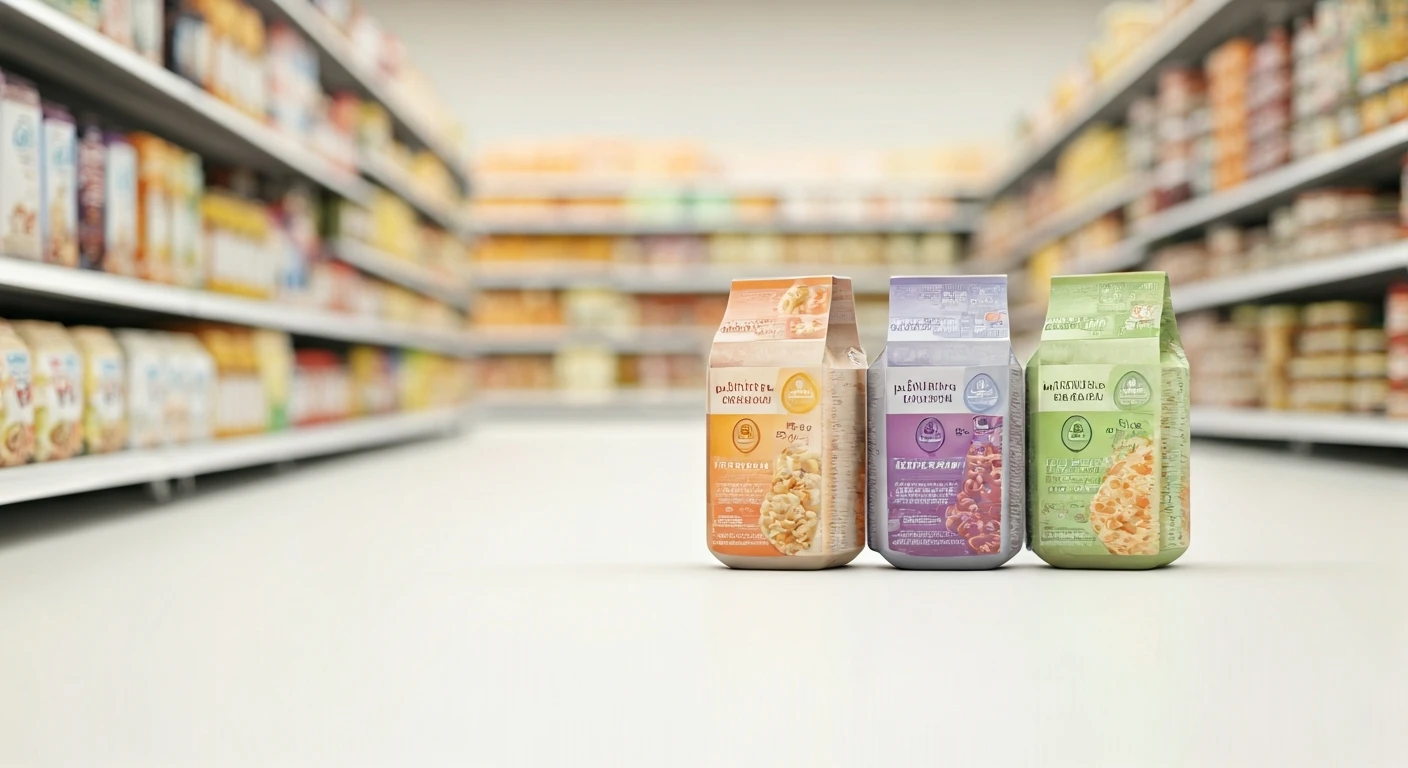
Premier Protein, Fairlife, and Owyn have transformed the category from a niche supplement into a mainstream lifestyle product. The consumer is no longer just a guy in a tank top leaving the weight room. It’s a busy parent using it as a liquid breakfast during the school run, an office worker fighting the 3 p.m. slump, or a student grabbing a quick 'meal' between classes. This shift was no accident. Marketers brilliantly repositioned these drinks not as muscle fuel, but as convenient, all-purpose nutrition for the chronically busy. They moved them from the specialty GNC shelf to the prime real-estate refrigerated section of Target and Costco, right next to the iced coffee and kombucha.
Selling Satiety as a Service
So what’s the core appeal? In a word: satiety. Protein is famously effective at making you feel full and keeping you feeling that way longer than carbs or fats. In an era of endless snacking and back-to-back Zoom meetings, a drink that promises to silence your stomach for a few hours is less a beverage and more a life hack. It's 'satiety-as-a-service.' It offers a sense of control over hunger and cravings, which is a powerful psychological draw. For many, it’s a simple equation: drinking a 160-calorie protein shake prevents them from grabbing a 400-calorie pastry later. It’s a tool for effortless calorie management that feels like a proactive choice rather than a restrictive diet. This utility is the engine driving the trend. It solves a modern problem—the tension between being too busy to eat a proper meal and the desire to make a healthy choice.
The Dessert-ification of Wellness
The other, perhaps more important, factor is flavor. Today’s protein drinks are a universe away from their gritty predecessors. The flavor profiles read like a dessert menu: Chocolate Peanut Butter Pie, Café Latte, Cookies & Cream, even Birthday Cake. This 'dessert-ification' is crucial to understanding the 'mood' of the protein sip. It allows the consumer to feel like they’re having a decadent treat while still checking a wellness box. It’s a permissible indulgence. This duality is genius. You get the dopamine hit of a sweet, creamy milkshake without the associated guilt. The trend has even spawned its own social media subculture, most notably with #proffee—the viral practice of pouring a vanilla or caramel-flavored protein shake into coffee as a creamer substitute. It transforms a morning ritual into a protein-packed, low-sugar indulgence, perfectly capturing the spirit of the modern protein drink: functional, convenient, and just a little bit fun.
But Is It Actually Good For You?
With their meteoric rise comes the inevitable question: are they healthy? The answer, according to most nutritionists, is nuanced. On one hand, these drinks offer an incredibly convenient way to increase protein intake, which can be beneficial for muscle maintenance, weight management, and overall satiety. For people who struggle to get enough protein from whole foods, they can be a useful supplement. On the other hand, they are highly processed products. Many contain a long list of artificial sweeteners, gums, and stabilizers to achieve their signature taste and texture. While brands have gotten better at reducing sugar, the reliance on substitutes like sucralose or acesulfame potassium is a turn-off for some. The expert consensus is generally that whole food sources of protein—like chicken, fish, eggs, beans, and Greek yogurt—are superior because they provide a wider array of nutrients. Protein sips are best viewed as a convenient backup, not a primary source of nutrition. Think of them as a useful tool in your nutritional toolkit, but not the whole box.