



First, What Is Gut Health Anyway?
Not so long ago, talk of your “gut” was confined to a doctor’s office. Today, it’s a brunch topic. When wellness influencers and your health-conscious coworker talk about “gut health,” they’re generally referring to the balance of microorganisms in your digestive
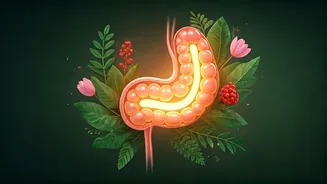
tract, collectively known as the gut microbiome. This bustling community of trillions of bacteria, fungi, and other microbes plays a huge role not just in digestion, but in immune function, mood regulation (hello, gut-brain axis), and overall inflammation. The modern goal isn't just to be free of stomachaches; it's to actively cultivate a diverse and resilient internal garden that supports your entire body's well-being.
From Calorie Counting to Microbiome Cultivating
For decades, diet culture was a game of restriction and numbers: calories in, calories out; low-fat, low-carb, no-fun. It was a war fought on the battlefield of the bathroom scale. The gut health movement represents a significant vibe shift. The focus has moved from deprivation to nourishment, from what you *can't* eat to what you *can* add to feed your beneficial gut bacteria. This new paradigm swaps the sterile language of macros and an obsession with thinness for a more holistic, almost artisanal approach to eating. It’s less about a six-pack and more about a happy microbiome, which, as it turns out, is a much more complex and interesting goal.
The 'Flex' Is in the Fridge
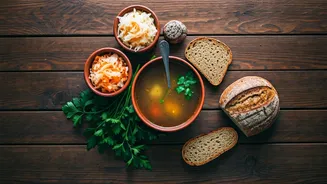
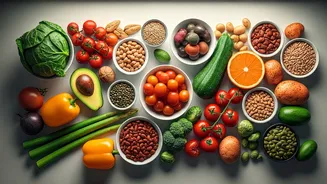
So where does the “flex” come in? It’s performed on social media and in social settings. It’s the artfully arranged farmers' market haul on Instagram, brimming with heirloom tomatoes and leafy greens. It’s the “What I Eat in a Day” TikTok video that features fermented foods like kimchi and kefir, a rainbow of roasted vegetables, and a detailed explanation of fiber sources. The flex isn't just saying “I’m healthy”; it’s showing that you have the knowledge, time, and resources to invest in your health at a microbial level. It signals a commitment to self-care that goes beyond surface-level aesthetics, positioning you as someone who is thoughtfully and proactively building a foundation of wellness from the inside out.
Why Whole Foods Are the Hero
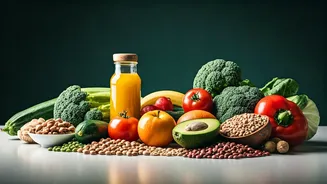
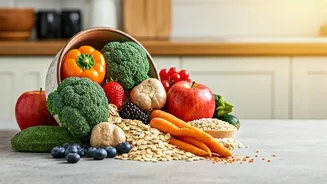
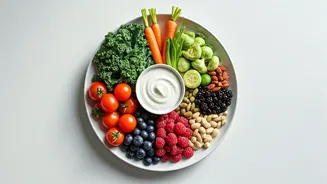
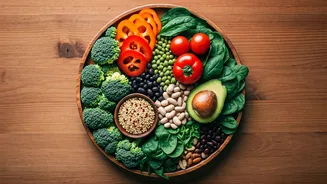
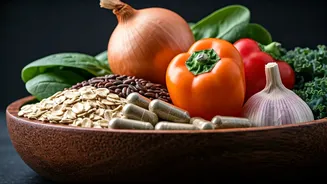
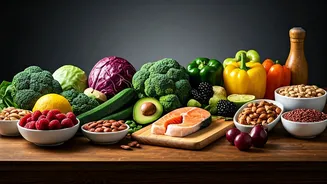
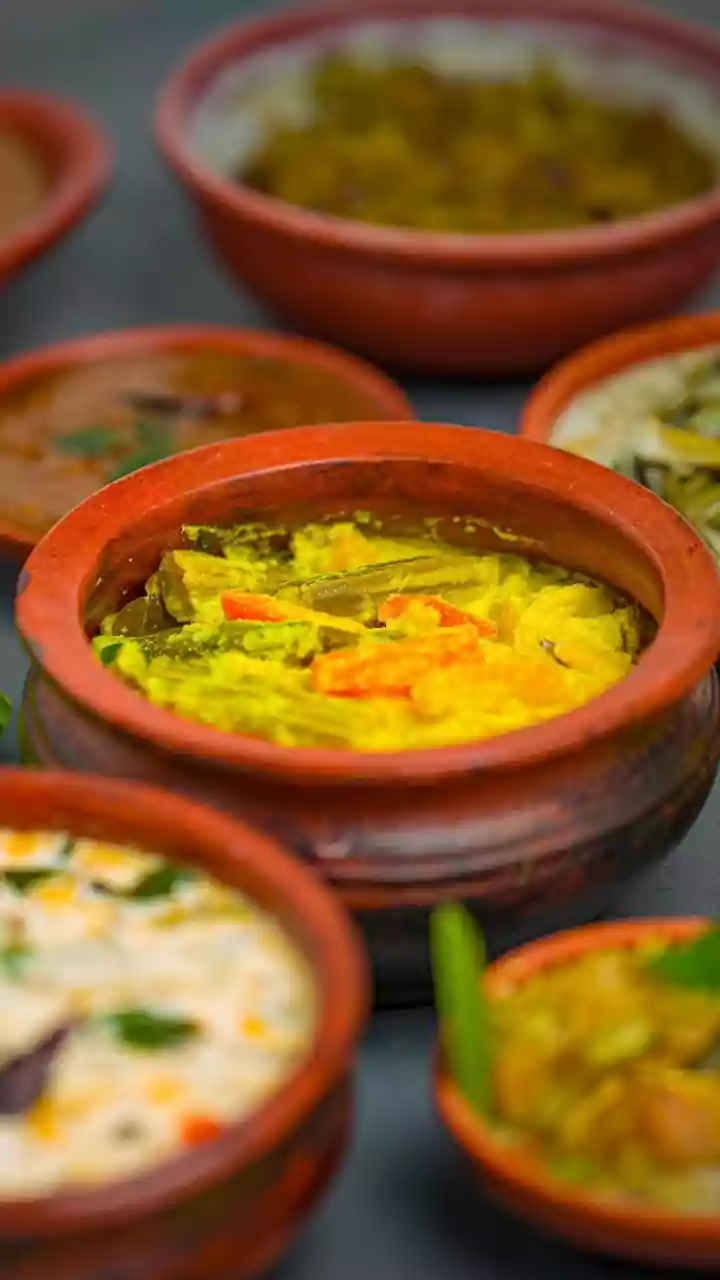
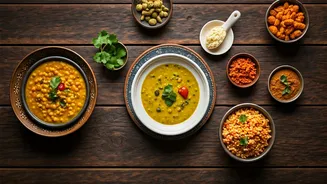
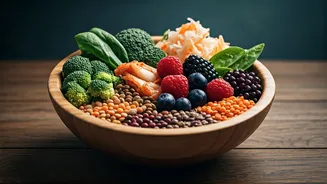
At the center of this movement are whole, unprocessed foods. This is the antithesis of the hyper-processed, packaged convenience that defined much of 20th-century American eating. Whole foods—fruits, vegetables, whole grains, legumes, nuts, and seeds—are packed with fiber. This fiber acts as a prebiotic, which is essentially food for your good gut bacteria. The more diverse the plant-based foods you eat, the more diverse your microbiome can become. A diet rich in these foods provides the raw materials for your gut microbes to produce beneficial compounds like short-chain fatty acids, which help reduce inflammation and strengthen the gut lining. In this narrative, a simple bowl of lentil soup or a colorful salad isn't just lunch; it’s a strategic deposit into your long-term health bank.
Is It All Just Another Status Game?
While the shift toward nourishing our bodies is undeniably positive, it’s worth asking who gets to play. The reality is that “flexing” gut health can be an expensive and time-consuming endeavor. Sourcing high-quality organic produce, shopping at farmers' markets, and dedicating time to cooking from scratch are privileges not everyone can afford. There’s a risk that this new ideal creates another form of wellness elitism, where the glossy, curated version of gut health becomes one more thing to feel inadequate about. It subtly frames health as a consumer choice and a personal project, potentially overlooking the systemic factors that make healthy eating difficult for so many.