


First, What Is Chaat?
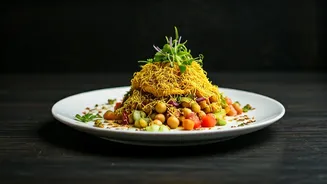
If you’ve never had it, imagine a party in a bowl. Chaat isn’t one specific dish but a whole category of savory snacks from India, beloved for their complex and explosive flavor profiles. The name itself comes from a Hindi verb meaning “to lick,” a testament
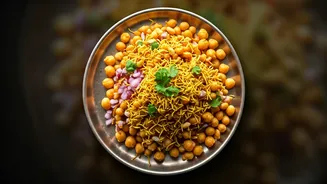
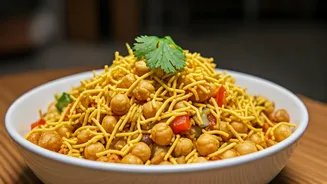
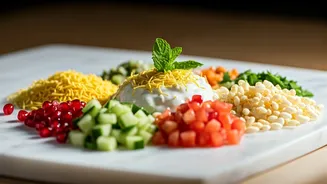
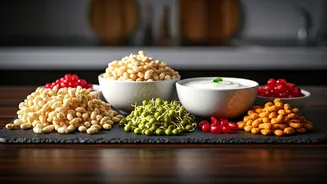
to how addictively delicious it is. At its core, chaat is a masterful balancing act. It combines sweet, sour, tangy, spicy, and salty notes with an equally impressive array of textures: the crunch of crispy fried dough (papdi) or puffed rice (murmura), the softness of boiled potatoes and chickpeas, the coolness of yogurt, and the freshness of chopped onions and cilantro. It's all brought together by vibrant chutneys—typically a sweet-and-sour tamarind one and a spicy green cilantro-mint version.
The 'Light' Chaat Revolution
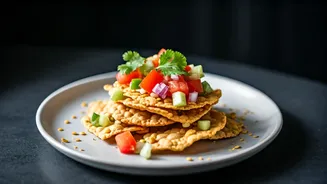
While traditional chaat is irresistible, it can often lean toward indulgent. Many of its beloved crispy components are deep-fried, and some chutneys can be high in sugar. That’s where the “light chaat” concept comes in. This isn’t about stripping away the joy; it’s about making smart swaps that retain all the flavor while dialing down the calories and upping the nutritional value. The revolution starts with the crunch. Instead of deep-frying wafers of papdi or sev (crispy chickpea noodles), the light approach involves baking them. You can use whole-wheat tortillas, cut into triangles and baked until crisp, or even seek out baked lentil chips as a base. The creamy element also gets a wellness upgrade. Plain, full-fat yogurt is often swapped for protein-packed Greek yogurt, which adds a satisfying tang and creaminess without the extra fat.
Why It’s a ‘Smart’ Snack
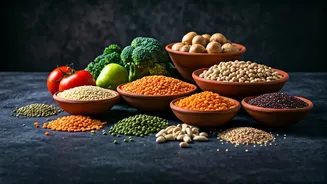
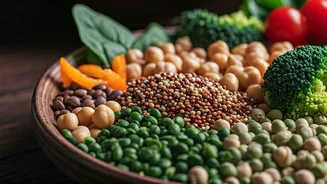
This evolution is what makes light chaat a truly “smart” choice for the modern snacker. By building your bowl around a base of chickpeas, lentils, or sprouted mung beans, you’re starting with a foundation of plant-based protein and fiber. This combination is key to feeling full and satisfied, preventing the blood sugar spike—and subsequent crash—that comes from carb-heavy, low-nutrient snacks. The emphasis on fresh ingredients is another win. A good light chaat is loaded with finely chopped cucumber, tomatoes, and onions, plus a generous handful of fresh cilantro and pomegranate seeds. These don't just add flavor and texture; they deliver a host of vitamins and antioxidants. Because the flavors are so bold and complex, a relatively small portion is intensely satisfying. You’re not mindlessly eating; you’re engaging your senses, which is a cornerstone of mindful eating.
Build Your Own Chaat Bowl
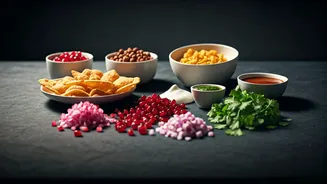
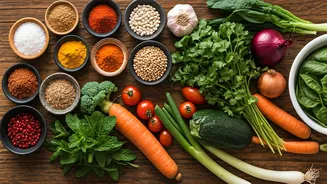
The best part about chaat is its customizability. You don't need a rigid recipe, just a blueprint. Think of it as a savory yogurt parfait or a deconstructed salad. Here’s a simple way to start: 1. **The Base:** Start with a cup of cooked chickpeas or sprouted mung beans. You can also add some boiled, cubed sweet potato for extra fiber and nutrients. 2. **The Crunch:** Crumble some baked tortilla chips, whole-wheat crackers, or a handful of puffed rice over the top. 3. **The Creamy:** Dollop a generous spoonful of plain Greek yogurt. 4. **The Drizzle:** This is where the magic happens. Use a store-bought tamarind chutney (look for ones sweetened with dates instead of sugar) and a green cilantro-mint chutney. A little goes a long way. 5. **The Finish:** Top with finely diced red onion, fresh cilantro, a sprinkle of chaat masala (a tangy spice blend available online or in specialty stores), and a squeeze of fresh lime juice. For a final flourish, add some pomegranate seeds for a sweet, juicy burst.