




Why the Clock is Ticking
The urgency in the Indian safari world isn’t just metaphorical; it’s seasonal. Most national parks, including the core zones of these tiger havens, close annually for the monsoon season, typically from July through September. This closure allows the forest
to rejuvenate and protects tourists from impassable jungle tracks. This means your window for a prime, dry-season safari is finite, running roughly from October to June. Planning for 2025? You need to be booking lodges and safari permits now. These experiences, especially at premier parks, sell out months in advance. The 'ticking clock' is a literal reminder that the opportunity to witness a Royal Bengal tiger in its natural habitat requires foresight and decisive action.
Bandhavgarh: The Legendary Kingdom
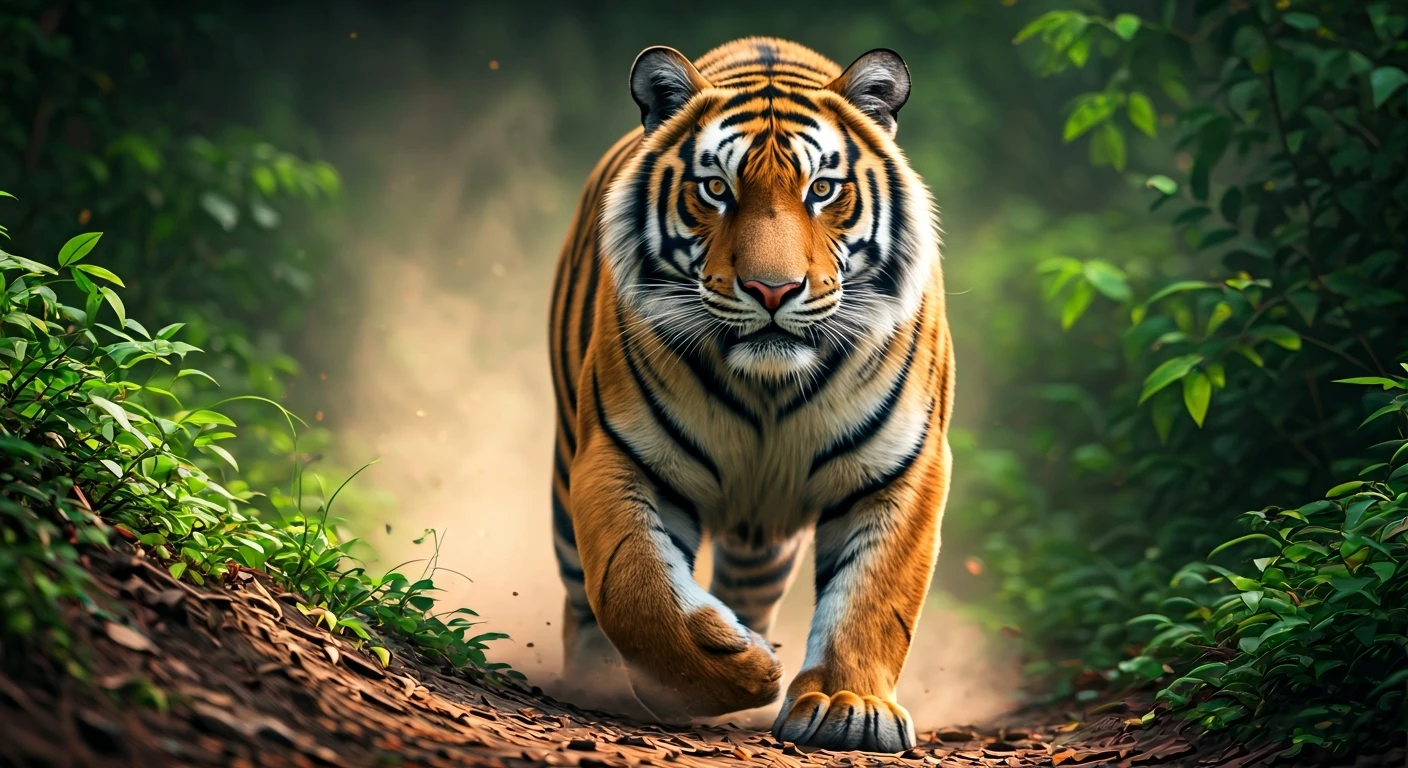
Imagine a landscape straight out of Kipling’s *The Jungle Book*. That’s Bandhavgarh National Park in Madhya Pradesh. Famous for having one of the highest densities of tigers in India, it offers a classic, almost mythical safari experience. The park is dominated by the ancient Bandhavgarh Fort, perched on an 800-meter cliff, with ancient temples and statues scattered throughout the jungle. Safaris here feel like a journey back in time. The terrain is a mix of steep, rocky hills and dense sal forest, creating dramatic backdrops for photography. Because of its reputation, Bandhavgarh can feel more crowded, and permits for its premium zones (like Tala) are notoriously hard to secure. It’s the heavyweight champion, delivering incredible sighting opportunities but demanding that you navigate its popularity.
Tadoba: The All-Season Challenger
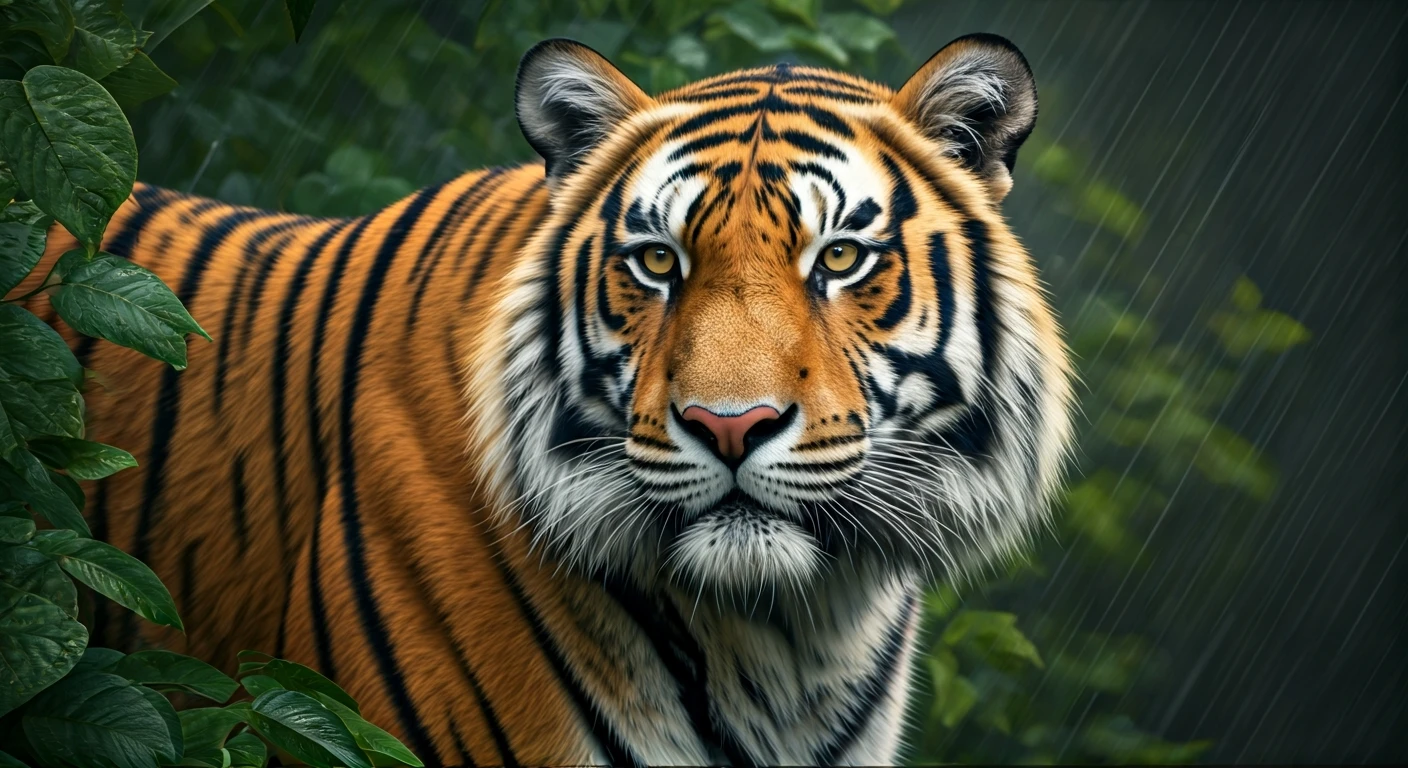
Further south in Maharashtra, Tadoba Andhari Tiger Reserve is the powerful up-and-comer, though it's been a local secret for years. While Bandhavgarh is hilly and dense, Tadoba is characterized by flatter terrain, sprawling meadows, and a large central lake that acts as a magnet for wildlife, especially in the hotter months. This more open landscape can make for longer, clearer sightings. One of Tadoba's biggest draws for international travelers is its accessibility; while the core park closes for the monsoon, many of its buffer zones remain open for safaris year-round. This provides a flexibility that other parks don’t offer. It feels a bit wilder and less polished than Bandhavgarh, with a reputation for frequent and dramatic tiger encounters around its numerous waterholes.
Head-to-Head: The Safari Experience
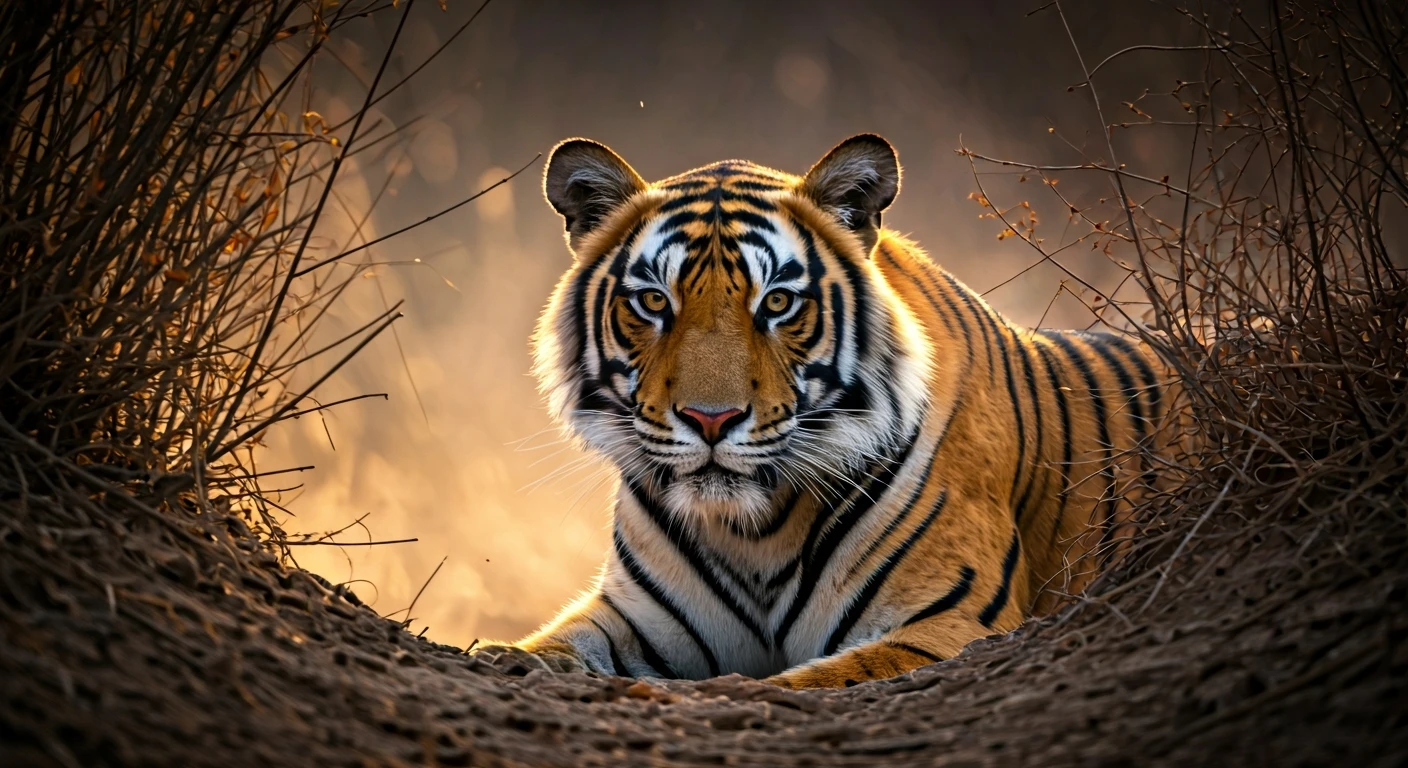
So, how do you choose? If your priority is seeing a tiger against a dramatic, historic backdrop and you don’t mind planning meticulously to beat the crowds, Bandhavgarh is your icon. The sheer density of its tiger population remains a major draw. However, if you prefer more open landscapes, the chance for unique waterhole sightings, and greater flexibility with travel dates (including the 'off-season'), Tadoba is an outstanding choice. Sighting probability is excellent in both parks, but the *type* of sighting differs. Bandhavgarh offers dramatic, almost regal encounters in dense forest. Tadoba provides long, open-field views and action around the lakes. For photographers, Tadoba’s less cluttered backgrounds are often a plus. Both parks use open-top jeeps (called Gypsys) and require a local guide and driver, ensuring a professional and safe experience.
Planning Your Trip From the U.S.
Getting to either park from the United States involves a multi-leg journey. For Bandhavgarh, you'll typically fly into Delhi (DEL) or Mumbai (BOM), then take a domestic flight to Jabalpur (JLR), followed by a 3-4 hour drive. For Tadoba, the gateway airport is Nagpur (NAG), which is a 2-3 hour drive from the park's main gates. Safari permits are the most critical component. They are booked online via state-run websites and are released 90-120 days in advance. They sell out within minutes for popular dates. For this reason, many American travelers opt to use a reputable India-based travel agent or a specialized wildlife tour operator. They can navigate the complex booking systems and package your permits with lodging and transfers, which is often the most stress-free approach.