


The Authenticity Gold Rush
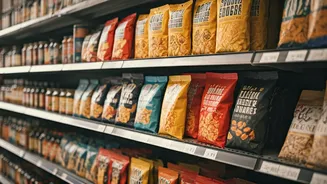
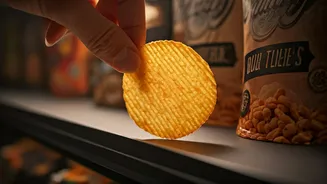
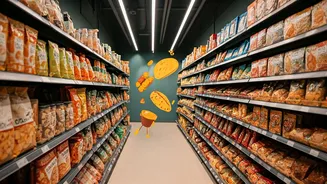
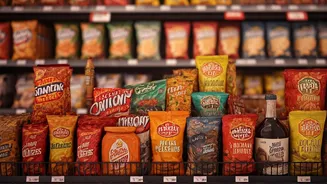
For decades, the American snack aisle was a predictable place dominated by a few core flavors: cheese, sour cream & onion, and barbecue. But a quiet revolution has been building, driven by a national palate that’s more adventurous than ever. The engine
of this change isn't a corporate boardroom; it's your social media feed. Platforms like TikTok and Instagram have become virtual food trucks, rocketing regional street foods from relative obscurity to viral sensations in a matter of weeks. Think of the recent booms in Nashville hot chicken, Mexican birria, or Korean corn dogs. Consumers, particularly Millennials and Gen Z, don't just want to see these foods—they want to taste them. This hunger for new, authentic, and story-rich flavors has created a massive business opportunity. For food giants and nimble startups alike, the world's streets have become the most valuable R&D lab on the planet.
From Cart to Chip
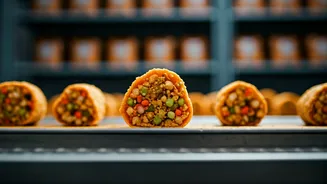
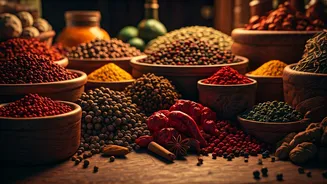
Translating the complex, multi-layered experience of a street snack into a shelf-stable product is a mix of art and advanced science. The process begins with trend-spotting. Data analysts and food futurists monitor social media, restaurant menus, and travel trends to identify the next big thing. Once a flavor like 'Filipino adobo' or 'Indian vada pav' is targeted, the real work begins. Food scientists deconstruct its taste profile into core components: what makes it savory, spicy, sweet, or sour? They isolate key ingredients—the smoky chipotle in adobo, the tangy tamarind in a chaat—and work to replicate that profile using powders and seasonings that can be applied to a chip, a pretzel, or a puff. The challenge isn't just mimicking the taste, but also the experience. How do you capture the cooling sensation of crema on a hot taco, or the crunchy-soft texture of a fresh churro? This often involves creative use of ingredients and multi-step seasoning processes to deliver a flavor journey, not just a single note.
Giants vs. Upstarts
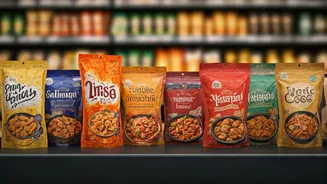
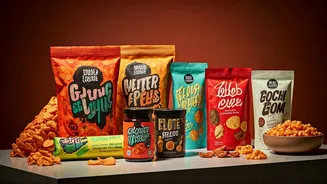
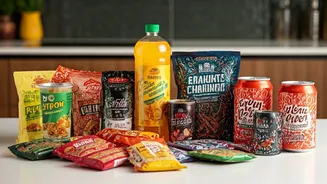
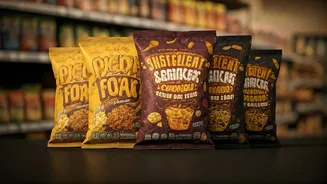
Two different playbooks are emerging in this new market. On one side, you have the established giants like Frito-Lay (PepsiCo) and Mondelez. Their strategy often involves using street food flavors for limited-time-only (LTO) offerings. Think Lay's 'Flavor Swap' contests that introduce options like Chile Relleno or Carnitas Street Taco for a few months. This approach minimizes risk while capitalizing on buzz. It allows them to test the market's appetite without committing to a permanent production line. On the other side are agile startups that build their entire brand identity around a specific regional cuisine. Companies like Siete Foods, which focuses on Mexican-American heritage flavors, or smaller brands spotlighting Southeast Asian or Middle Eastern street snacks, go all-in. Their marketing emphasizes authenticity, family recipes, and cultural storytelling. While they lack the distribution muscle of a PepsiCo, their focused narrative resonates powerfully with consumers looking for a genuine connection, not just a flavor gimmick.
The Risk of 'Flavor Tourism'
As with any trend that commercializes culture, there are pitfalls. The biggest is the risk of reducing a culturally significant dish to a one-dimensional caricature. When a brand launches a 'Tandoori Chicken' potato chip without understanding or respecting the food's origins, it can come across as 'flavor tourism'—a shallow appropriation that erases the context and story behind the taste. Consumers are increasingly savvy to this. A poorly executed or clumsily marketed product can trigger a significant social media backlash. Success in this space requires more than just good food science; it demands cultural competency. The brands that win are those that collaborate with chefs from the culture, tell the story respectfully, and deliver a product that feels like an homage rather than a cheap copy. Getting the flavor right is only half the battle; getting the story right is what builds a loyal following and turns a trending snack into a lasting brand.