

The Honeymoon Phase: What Rainwater Gets Right
The romance begins with chemistry. Unlike the treated tap water flowing from your faucet, rainwater is pure, soft, and naturally formulated for plant life. First, it’s free of the chlorine and chloramine that municipalities add to keep our drinking water safe.
While these chemicals are fine for us, they can be harsh on sensitive plant roots over time, potentially leading to brown leaf tips and stressed-out foliage. Rainwater is also naturally slightly acidic, typically with a pH between 5.0 and 6.0. This is the sweet spot for most houseplants, as the gentle acidity helps them unlock and absorb essential nutrients from the soil more efficiently. It’s like giving them a key to a pantry they could only partially access before. Finally, a good thunderstorm can infuse rainwater with nitrates, a form of nitrogen that plants can readily use. Lightning is a natural fertilizer factory, converting atmospheric nitrogen into a plant-friendly meal.
The First Red Flag: Location, Location, Location
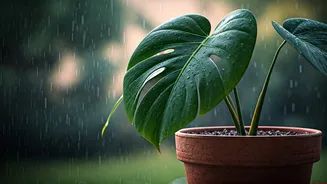
Not all rain is created equal. The pristine, life-giving shower you imagine might not be what’s actually falling on your fire escape. In urban or industrial areas, rain can pick up pollutants like sulfur and nitrogen oxides as it falls, creating what is commonly known as acid rain. While the effect is usually minor for a single watering, consistent use of highly acidic or polluted rain can harm your plants. Furthermore, how you collect the water matters immensely. Letting it run off an old, tarred roof or a dirty asphalt driveway means you’re also collecting chemicals, bird droppings, and grime. That’s not a refreshing drink; it’s a questionable cocktail you wouldn't want your prized monstera sipping.
The Risk of Smothering Love
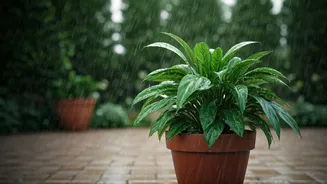
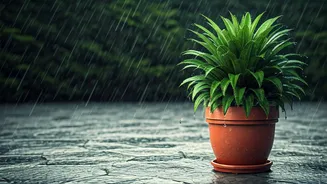
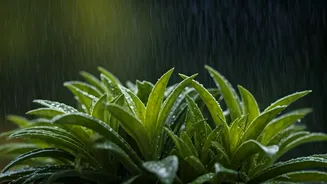
The most common way we kill our houseplants isn’t neglect—it’s too much love in the form of overwatering. Placing a plant directly in a storm carries this risk to an extreme. Most indoor plants are potted in containers with limited drainage compared to the earth outdoors. A sudden, heavy downpour can completely saturate the soil, displacing oxygen and leaving the roots to sit in a stagnant, waterlogged mess. This is a fast-track ticket to root rot, a fungal disease that can quickly turn a healthy plant into a mushy, unsalvageable tragedy. A gentle summer drizzle is one thing; a torrential downpour is another. You risk compacting the soil and even physically damaging delicate leaves and stems.
Bringing Home Unwanted Baggage
Leaving your plants outside for a spa day can also mean they come back with uninvited guests. The great outdoors is teeming with life, not all of it beneficial for your indoor ecosystem. A pot left on the lawn or patio is a welcoming habitat for slugs, earwigs, ants, and other critters looking for a damp, dark place to hide. When you bring the plant back inside, you might be unknowingly introducing a pest infestation that can quickly spread to the rest of your collection. Suddenly, that free watering session comes with the costly and frustrating side effect of a full-blown battle with spider mites or fungus gnats.
Making the Relationship Work
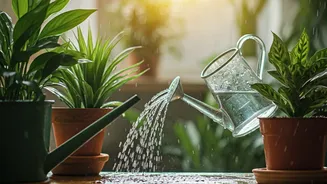
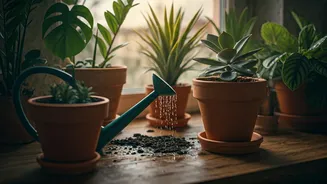
So, is the romance doomed? Not at all. You just need to be the smart mediator in this relationship. The best and safest way to give your plants the benefits of rain is to collect it yourself. Place a clean bucket or a dedicated rain barrel in an open area during a shower (not at the start of a storm, which can wash down more dust). Let the collected water sit for a day to settle any sediment and come to room temperature—cold water can shock plant roots. Use this harvested rainwater as part of your regular watering routine, pouring it directly onto the soil rather than leaving the plant out to get drenched. This method gives you all the chemical benefits—no chlorine, better pH, free nitrates—without any of the risks of overwatering, physical damage, or pest invasions. It's the perfect compromise.