




What Are Sabja Seeds, Anyway?
If you’ve ever had a falooda, the layered South Asian dessert beverage, you’ve probably encountered sabja seeds. Often called sweet basil seeds or tukmaria, they are the seeds of the sweet basil plant (*Ocimum basilicum*), a close cousin to the Thai basil plant.
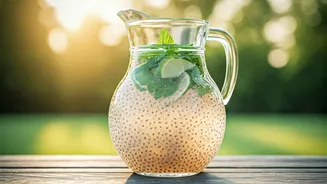
In their dry state, they look like tiny, black, tear-shaped specks, even smaller than chia seeds. But their magic happens when they're introduced to liquid. Within minutes of soaking, they bloom, developing a translucent, gelatinous coating around a tiny black center. This gives them a delightful texture that’s part-boba, part-tapioca, but with a much subtler presence, adding a pleasant, slippery mouthfeel to any drink without altering its flavor.
The ‘Cooling’ Sensation Explained
The headline claim isn't just about dropping the temperature of your iced tea. In many parts of South and Southeast Asia where these seeds are a staple, they are considered a “cooling” ingredient in the traditional Ayurvedic sense. This doesn't mean they're literally cold like an ice cube. Instead, they are believed to have properties that help soothe the body and reduce internal heat, making them incredibly popular during scorching summer months. While scientific evidence in the Western sense is limited, the cultural and sensory experience is undeniable. The seeds' high water content and smooth, gelatinous texture create a uniquely refreshing and hydrating sensation that makes any drink feel more thirst-quenching and satisfying on a hot day.
Chia’s Overachieving Cousin?
The comparison to chia seeds is inevitable, but sabja seeds have their own distinct advantages. While both form a gel when soaked, sabja seeds plump up much faster—often in just 5 to 10 minutes, compared to the 30-plus minutes or overnight soak chia often requires. Nutritionally, they are powerhouses in their own right. They are particularly rich in soluble fiber, which is what creates the gel. This high fiber content can aid in digestion and promote a feeling of fullness. They also contain pectin, which has been linked to various health benefits. Plus, they offer a source of plant-based omega-3 fatty acids, iron, and magnesium. So while they offer a similar textural appeal to chia, their quick-soaking nature makes them a perfect last-minute addition to your beverages.
How to Use Them: A Simple Guide
Using sabja seeds couldn’t be easier, which is a huge part of their appeal. There are no complicated steps or special equipment required. Simply follow this basic ratio: for every 1 teaspoon of dry sabja seeds, use about 1/2 cup of liquid. You can use water, juice, milk, or any other beverage base. Stir the seeds into the liquid and let them sit for about 10 to 15 minutes. You'll see them begin to swell almost immediately. Give them a final stir to break up any clumps, and they're ready to use. They will have a soft, jelly-like texture. Since they are flavorless, they won't compete with the other ingredients in your drink, only enhance its texture.
Easy Drink Ideas to Get Started
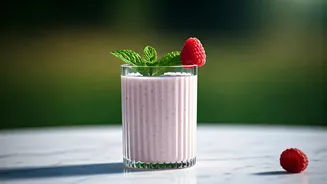
Ready to try them out? You can find sabja seeds at most Indian or Southeast Asian grocery stores, as well as online. Once you have a bag, the possibilities are endless. Here are a few simple ideas to get you started: * **Upgraded Lemonade:** Add a tablespoon of bloomed seeds to a tall glass of your favorite lemonade or limeade for a fun, boba-like texture. * **Iced Tea Refresher:** Stir them into black, green, or herbal iced tea. They pair especially well with floral and fruit-flavored teas. * **Coconut Water Boost:** Mix bloomed seeds into coconut water with a squeeze of lime for an ultra-hydrating and refreshing treat. * **Yogurt and Smoothies:** Spoon them over yogurt or blend them into your morning smoothie for a fiber boost that won't make it gritty. * **Simple “Sharbat”:** Create a simple syrup with water and sugar (or your sweetener of choice), add a splash of rosewater, and stir in the bloomed seeds. Serve over ice for a classic cooling drink.