





Head for the Highlands
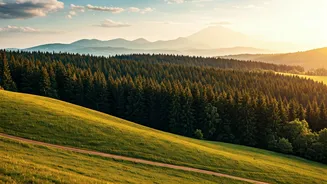
The simplest way to beat the heat is to go up. For every 1,000 feet you climb in elevation, the temperature typically drops by about 3.5 to 5.5 degrees Fahrenheit. This makes mountain ranges the perfect antidote to sweltering city sidewalks. In the East,
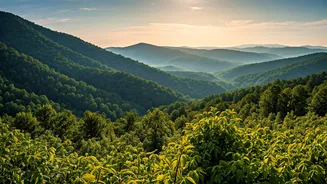
the Blue Ridge Parkway offers a scenic drive through North Carolina and Virginia with countless overlooks and trailheads nestled in cool, misty forests. Towns like Boone, North Carolina, or the higher elevations of Vermont’s Green Mountains provide crisp mornings and pleasant afternoons perfect for hiking. Out West, the Rockies begin to thaw, but their high-altitude trails in Colorado or Montana remain refreshingly cool. You don’t need to summit a peak; just driving into the foothills delivers an immediate and welcome temperature drop.
Embrace the Northern Woods
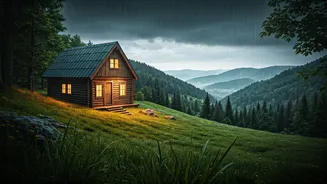
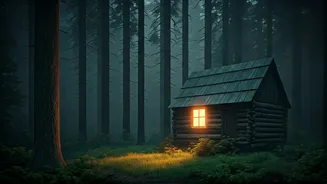
When the rest of the country is baking, America’s northern tier is just hitting its stride. The vast forests of the Upper Midwest and New England act as a natural sunshade, keeping the forest floor cool and damp. In Minnesota, the North Shore of Lake Superior offers a microclimate where the immense, cold lake acts as a giant air conditioner. The shoreline is dotted with state parks full of waterfalls and dense pine and birch forests. Similarly, Michigan’s Upper Peninsula and the deep woods of Maine are defined by their sprawling canopies and thousands of cool lakes. This is the classic ‘cabin by the lake’ territory, where the day’s big decision is whether to hike, paddle, or simply sit on a dock with your feet in the chilly water.
Follow the Coastal Fog
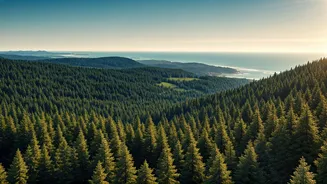
For those on the West Coast, relief comes from the Pacific Ocean. While Southern California beaches can be hot and crowded, the coasts of Oregon and Washington offer a completely different experience. A persistent marine layer often blankets the shoreline in a cool, moody fog, especially in the mornings. This is the land of temperate rainforests, where giants like Sitka spruce and western hemlock are draped in moss. The air is heavy with moisture and the smell of salt and pine. Exploring the trails of Olympic National Park’s coast or driving Highway 101 through Oregon’s sea stacks and forested cliffs feels like entering another world—one where summer heat is a distant rumor and a light jacket is always a good idea.
Find a Shady River Canyon
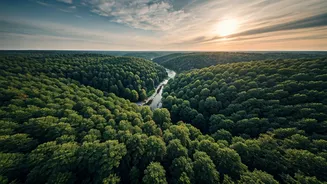
You don't always have to go north or way up to find cool air. Sometimes, you just have to go down. River canyons create their own unique microclimates. The high, steep walls provide shade for much of the day, and the moving water itself has a cooling effect on the surrounding air. The New River Gorge in West Virginia, one of America’s newest national parks, is a prime example. While the ridgetops can be warm, the air down by the river is noticeably cooler and fresher. It’s an ideal environment for rafting, kayaking, or hiking along riverside trails. In the Southwest, canyons offer a similar, if more dramatic, form of relief. Finding a shaded spot next to a creek at the bottom of a canyon in Zion National Park or a similar landscape provides a natural, air-conditioned reprieve from the desert sun.