






More Than Just a Sun Salutation
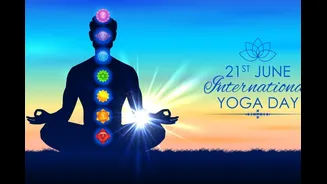
On the surface, International Day of Yoga is a straightforward celebration of an ancient practice. Officially recognized by the United Nations, it falls on June 21, the summer solstice in the Northern Hemisphere—the longest day of the year. The date was
chosen for its symbolic significance in many cultures and its connection to light and nature. The day’s stated purpose is to raise awareness worldwide of the many benefits of practicing yoga, promoting it as a tool for physical, mental, and spiritual well-being. But unlike other UN-designated days that pass with little fanfare, Yoga Day has become a genuine global event, marked by massive, coordinated public gatherings. From the base of the Eiffel Tower to the heart of New York’s Times Square, millions of people participate in synchronized sessions, turning city centers into open-air wellness sanctuaries.
The Diplomatic Downward Dog
The story of how this day came to be is a masterclass in modern cultural diplomacy. The idea was introduced to the United Nations General Assembly in 2014 by India’s Prime Minister, Narendra Modi. In his address, he described yoga as “an invaluable gift of India's ancient tradition” that “embodies unity of mind and body; thought and action; restraint and fulfillment.” He positioned it not as a religious practice, but as a holistic approach to health and well-being that could contribute to global harmony. The proposal was an immediate hit. The UN resolution establishing the day was co-sponsored by a record 177 member states and passed without a vote. It was a remarkable diplomatic victory, successfully framing a key element of India’s cultural heritage as a universal offering to the world—a form of “soft power” that has proven incredibly effective.
From Ancient Practice to Global Phenomenon
While the day itself is less than a decade old, its success rides on a wave that has been building for much longer. Yoga’s journey from a niche spiritual discipline in the East to a mainstream wellness staple in the West has been decades in the making. In the United States, what began as a counter-cultural curiosity in the 1960s has blossomed into a multi-billion dollar industry. An estimated 36 million Americans practiced yoga before the pandemic, and that number has only grown with the rise of at-home fitness. International Yoga Day acts as an annual focal point for this global community. It provides a shared moment of celebration that transcends borders, languages, and even the specific style of yoga one practices. It’s a day when the global “yoga community” feels most like a tangible, connected entity.
The American Asana
In the U.S., the “fever” manifests in a uniquely American way. Yoga studios offer special classes and discounts. Wellness brands launch promotions. Community centers and local parks host free, beginner-friendly sessions. The American interpretation of yoga is famously diverse and commercialized—from intense, sweat-drenched hot yoga to quirky trends like goat yoga—and International Yoga Day embraces it all. It’s an opportunity for seasoned practitioners to join a massive public class and a gentle invitation for newcomers to finally see what all the fuss is about. The day serves as both a marketing opportunity for the wellness industry and a genuine grassroots movement, where the simple act of breathing and stretching together in a public space becomes a powerful statement of community and shared values.