



An Entire Season, Not Just a Fruit
In the United States, mangoes are a year-round supermarket staple, typically the sturdy, mildly sweet Tommy Atkins variety shipped from Latin America. In India, however, the mango is not a mere fruit; it’s an event. The arrival of mango season in late
spring is a national obsession, a fragrant harbinger of the scorching summer, and a subject of poetry, family gatherings, and fierce regional pride. For millions, a childhood memory of summer is incomplete without juice-stained fingers and the intoxicating aroma of a perfectly ripe mango. This deep cultural reverence is the first clue as to why these mangoes are in a league of their own. They aren’t just grown; they’re cherished.
Meet the Royalty: Alphonso, Kesar, and More
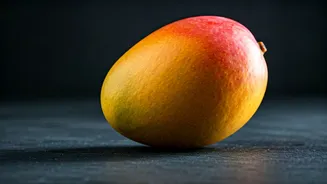
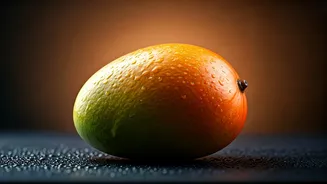
The “show-off” quality of Indian mangoes comes from their astonishing diversity and complexity of flavor, which leaves the standard supermarket mango in the dust. There are over 1,500 varieties, but a few have achieved global legendary status. The undisputed king is the Alphonso, or ‘Hapus.’ Grown primarily in Maharashtra, it’s a golden-yellow fruit with a creamy, non-fibrous flesh that melts in your mouth. Its flavor is a psychedelic symphony of honey, citrus, and a hint of melon—so intense it’s almost perfumed. Then there’s the Kesar from Gujarat, smaller and greener, with a bright saffron-colored pulp (Kesar means saffron) and a balanced sweet-tart flavor that’s equally addictive. Others, like the sweet and floral Banganpalli or the syrupy Langra, have their own devoted followers. Each variety offers a completely distinct tasting experience, turning a simple fruit into a topic of connoisseurship akin to fine wine.
The Long, Costly Journey to America
Part of what makes Indian mangoes such a prize in the U.S. is their very elusiveness. For nearly two decades, they were banned from American shores due to concerns over pests like fruit flies. After years of diplomatic negotiations—a process sometimes called “mango diplomacy”—the ban was lifted in 2007. However, there’s a catch: to enter the country, the mangoes must undergo irradiation treatment to ensure they are pest-free. This process, combined with their incredibly short shelf life and the necessity of expensive air freight, makes them a logistical nightmare. They must be picked at the perfect moment, rushed through processing, and flown across the world to land in specialty stores for a fleeting window of just a few weeks. This arduous journey explains their high price tag—often several dollars for a single fruit—and adds to their reputation as a rare, luxurious treat.
How to Find and Savor the Real Deal
So, you’re convinced. Where can you find these legendary fruits? Forget your average grocery store. Your best bet is to seek out Indian or South Asian markets in major metropolitan areas starting around late April through June. Don’t be shy—ask the proprietor which varieties they have and what’s best. When selecting a mango, trust your nose before your eyes. A ripe Indian mango should have a powerful, sweet fragrance near the stem. It should yield gently to pressure but not be mushy. Once you have your prize, the best way to enjoy it is the simplest: peel it, slice it, and eat it fresh over the sink to catch the drips. It’s a messy, glorious, and utterly unforgettable experience that justifies every bit of the hype.