





Why More Rain Means Better Waterfalls
The logic is simple but the effect is breathtaking. Many of America’s most beloved waterfalls are fed by snowmelt and rainfall. While they flow year-round, their power and visual impact can vary dramatically. This year, regions that received significant
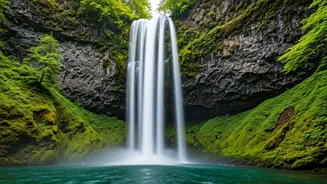
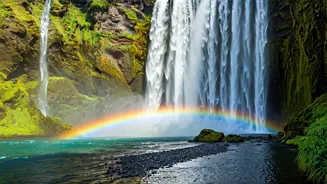
precipitation—from California's atmospheric rivers to steady deluges in the Southeast—are experiencing a golden age for waterfall viewing. The increased volume of water creates a more powerful, thunderous, and visually stunning display. Mist clouds billow out for hundreds of feet, the sound can be heard from miles away, and cascades that are often segmented or thin merge into single, formidable sheets of water. This ephemeral phenomenon is creating a sense of urgency for travelers who want to witness nature at its most raw and impressive.
Yosemite Falls, California
Nowhere is the effect of a wet winter more apparent than in Yosemite National Park. After years of drought, recent seasons of heavy snowpack and rain have reawakened its legendary waterfalls. Yosemite Falls, one of the tallest in North America at 2,425 feet, is a prime example. During dry spells, its flow can diminish to a whisper by late summer. But this spring, it’s a thundering force. The sheer volume of water crashing down its three stages is a multi-sensory experience. The best time to visit is typically spring into early summer, when snowmelt is at its peak. Various trails offer different perspectives, from the accessible base loop to the more strenuous hike to the top of the falls.
Multnomah Falls, Oregon
The Pacific Northwest is synonymous with waterfalls, and Multnomah Falls is its postcard-perfect icon. Located in the Columbia River Gorge, this two-tiered, 620-foot cascade flows year-round. However, after a wet winter, it transforms from merely beautiful to truly awesome. The increased flow makes the falls wider and more powerful, enveloping the Benson Bridge in a perpetual, photogenic mist. Unlike some seasonal falls, Multnomah’s consistency is part of its charm, but visiting during a high-flow period offers a glimpse of its full potential. The accessible viewing platforms make it an easy stop for anyone traveling along the historic Columbia River Highway.
Cumberland Falls, Kentucky
Often called the “Niagara of the South,” Cumberland Falls is a massive, 125-foot-wide curtain of water in Daniel Boone National Forest. Its power is directly tied to rainfall in the Appalachian Mountains. After a heavy storm system, the typically impressive falls become a churning, muddy torrent, showcasing immense natural force. One of its most unique features is the “moonbow,” a lunar rainbow that can be seen in the mist on clear nights with a full moon—an effect amplified by the heavy spray of a rain-swollen river. Viewing platforms are readily available, offering safe spots to witness the spectacle when the Cumberland River is running high.
Kaaterskill Falls, New York
Nestled in the Catskill Mountains, Kaaterskill Falls has inspired artists and writers for centuries. This two-stage waterfall drops a total of 260 feet, making it one of the tallest in New York. Its beauty is highly dependent on recent weather. After a dry spell, it can be underwhelming, but after a solid spring rain, it becomes a magnificent cascade worthy of its legendary status. The trail to the falls has been significantly improved in recent years for safety, with a stone staircase leading to the viewing platform at the base. Visiting on a weekday after a rainstorm is the ideal way to experience its full, crowd-free glory.
Crabtree Falls, Virginia
Located just off the Blue Ridge Parkway, Crabtree Falls is considered one of the most beautiful in the region. It’s not a single plunge but a stunning series of cascades tumbling down a 1,200-foot rock face. The main drop is about 70 feet, but the entire scene is what captivates visitors. Following periods of heavy rain, the water spreads across the mossy rocks, creating dozens of smaller, interconnected falls that weave a delicate, powerful tapestry. The 2.5-mile loop trail to the falls is moderately strenuous but rewards hikers with incredible, up-close views of the rain-fed spectacle, making the effort well worth it.