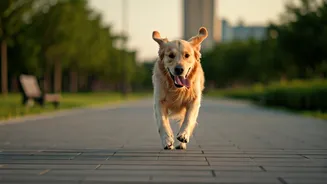






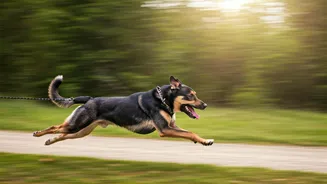
More Than Just a Walk
For years, the daily dog walk was a chore, a quick loop around the block before rushing off to work or collapsing on the couch. Today, a growing number of urbanites are reframing that time as a core part of their own fitness and mental health regimen.
This isn't just about exercise; it's a response to the search for authentic connection and mindful activity in a hyper-digital world. Running provides a shared goal, a focused activity that strengthens the bond between human and animal far more than a distracted stroll. In cities where loneliness can be a silent epidemic, having a dedicated, enthusiastic training partner who is always ready to go is a powerful antidote.
Is Your Dog Built to Run?
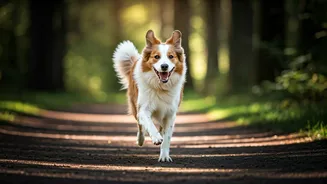
Before you lace up, it’s crucial to assess your four-legged friend. Not all dogs are natural marathoners. Breeds with short snouts (brachycephalic breeds) like Pugs, Bulldogs, and Frenchies can struggle with breathing during strenuous exercise and are prone to overheating. Conversely, breeds like Vizslas, Weimaraners, and Border Collies were often bred for endurance. But breed isn't the only factor. Age is critical; puppies under 12-18 months shouldn't engage in long-distance running, as their growth plates are still developing and can be damaged. It's always best to consult your veterinarian. They can give your dog a clean bill of health and offer advice tailored to their specific size, age, and condition.
The Right Gear for the Road
Running with a dog requires more than just a standard collar and leash, which can pose a choking hazard or cause injury. A well-fitted, Y-shaped harness that doesn’t restrict shoulder movement is the gold standard, distributing pressure across the chest and back. A hands-free leash that clips around your waist is a game-changer, freeing up your arms for a natural running motion and keeping you both safely connected. Don't forget water. On warmer days or longer runs, a collapsible bowl or a dog-specific water bottle is essential. And pay attention to their paws—hot asphalt can burn, and rough terrain can cause cuts. Consider a protective paw balm for conditioning and recovery.
Pavement Etiquette and Safety
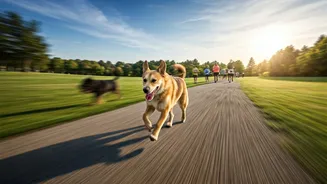
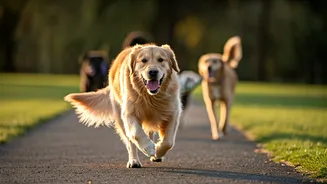
Once you’re out there, you’re an ambassador for all dog-running duos. Keep your dog on a short lead, especially in crowded urban parks or on multi-use paths, to prevent them from tripping other runners or cyclists. Train them to run consistently on one side of you. Most importantly, learn to read your dog’s cues. Excessive panting, lagging behind, or attempting to lie down are clear signs they need a break or have had enough. Unlike humans, dogs can’t tell us when they’re hitting a wall, so it’s our job to be vigilant. Always choose cooler times of the day to run, like early morning or evening, to avoid the risk of heatstroke, which can be fatal for dogs.
The Finish Line: A Stronger Bond
The physical benefits of running—improved cardiovascular health, weight management, and increased energy—are clear for both you and your dog. But the psychological rewards are just as profound. The shared experience builds trust and deepens your communication. You learn to read their subtle signals, and they learn to match your pace. This partnership provides structure, accountability, and a powerful sense of purpose. It transforms a simple pet-owner relationship into a true team, working together to conquer the miles and navigate the urban landscape, one stride at a time.