



A Land Above the Clouds
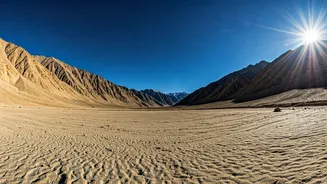
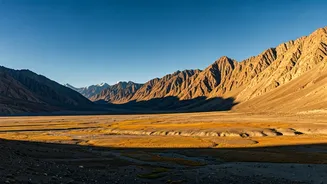
Often called “Little Tibet” or the “Land of High Passes,” Ladakh is a region unlike any other. Tucked away in the northernmost part of India, it’s a cold desert sculpted by wind and time. The reason it’s so dry is simple geography: the colossal Himalayan
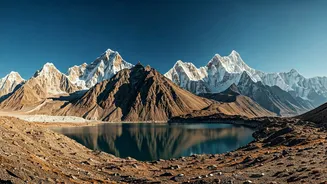
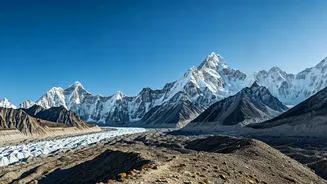
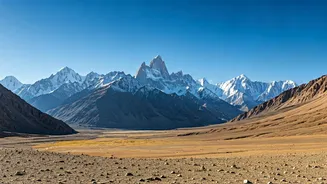
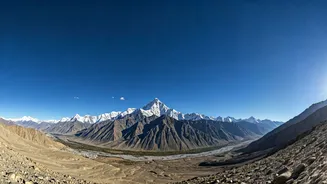
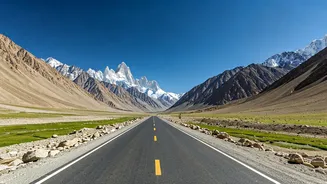
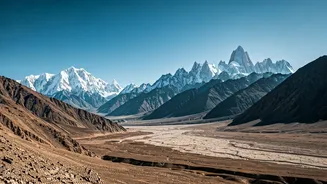
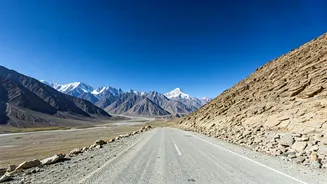
range to its south blocks the monsoon clouds, creating a vast rain shadow. The result is a landscape of stark, breathtaking beauty, where jagged, mineral-streaked mountains in shades of ochre, purple, and grey stand against an impossibly vibrant azure sky. The air is thin, crisp, and carries a profound silence, broken only by the flutter of prayer flags or the cry of a distant eagle. This isn't a land of lush greenery; its allure lies in its raw, unfiltered magnificence. For the unprepared visitor, the average altitude of over 10,000 feet is a physical challenge, demanding slow acclimatization. But for those who adjust, the reward is a sense of clarity and presence that’s hard to find anywhere else on Earth.
The Spiritual Heartbeat
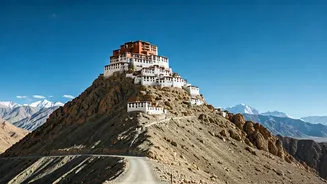
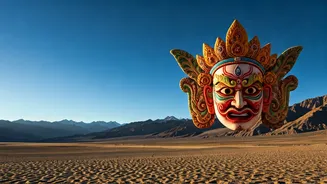
The magnetism of Ladakh goes far beyond its scenery. It is a place steeped in a vibrant and resilient Tibetan Buddhist culture. Perched precariously on hillsides and cliffs are ancient monasteries, or *gompas*, that seem to grow organically from the rock itself. Whitewashed walls, deep red trim, and shimmering gold roofs dot the landscape, serving as centers of faith and learning that have endured for centuries. Inside places like Thiksey, Hemis, and Diskit monasteries, the air is thick with the scent of juniper incense and melting yak butter lamps. Monks in crimson robes chant ancient scriptures, their deep, guttural tones reverberating through prayer halls adorned with intricate murals and formidable statues of Buddhist deities. The ubiquitous prayer flags, strung across mountain passes, bridges, and homes, send their blessings into the wind. This spiritual dimension provides a powerful counterpoint to the harshness of the environment, creating a sense of peace and timelessness that captivates even the most secular traveler.
An Epic Road Trip
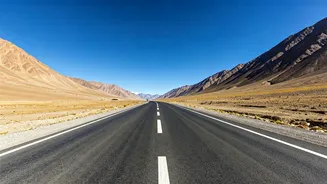
While you can fly directly into Leh, the region's main town, the ultimate Ladakhi experience is often found on its roads. Traveling here is an adventure in itself, involving journeys over some of the world's highest motorable passes. The drive to the Nubra Valley via the Khardung La pass (once famously mis-marketed as the world's highest) is a rite of passage, taking you from the Indus Valley into a completely different landscape of sand dunes and double-humped Bactrian camels. An even more iconic destination is Pangong Tso, a mesmerizing high-altitude lake that stretches for over 80 miles into Tibet. Its waters shift through a dazzling spectrum of blues, from turquoise to deep indigo, depending on the angle of the sun. The sheer, surreal beauty of this saline lake, set against a backdrop of barren mountains, is the image that defines Ladakh for many. These journeys are not just about the destination, but about the humbling scale of the Himalayas and the feeling of being a small part of something immense.
More Than Just a Destination
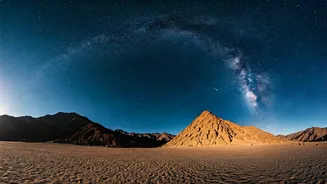
Ladakh's appeal isn't just visual or spiritual; it’s deeply experiential. It’s the feeling of sipping salty butter tea with a local family in a remote village. It’s the challenge of trekking through a silent valley, your only companions the choughs soaring overhead. It’s the simple pleasure of watching the sunset paint the mountains in fiery colors, followed by a night sky so clear and star-dusted it feels almost within reach. The Ladakhi people, with their warmth and resilience forged by a challenging environment, are central to this experience. Their gentle smiles and ready hospitality offer a profound lesson in contentment. This combination of physical challenge, cultural depth, and raw natural wonder is what makes Ladakh so “magnetic.” It’s a place that asks something of you—patience, respect, a willingness to adapt—but gives back so much more.