




The Sweetest Comeback Story
If it feels like you’re seeing mangoes everywhere, you’re not wrong. This tropical stone fruit has officially moved from the exotic fruit section to the mainstream American shopping cart. While mangoes have been a beloved staple in many cultures for millennia,
their recent explosion in the U.S. is something new. Consumption has been steadily climbing for years, but we’ve now reached a tipping point where the fruit is not just an ingredient, but a star. It’s the headliner in new drinks at major chains, the inspiration for viral recipes, and the pop of color brightening up restaurant menus from coast to coast. This isn't just about the summer season; it's a year-round obsession fueled by a perfect storm of social media, culinary creativity, and increased global access.
Driven by the Social Media Feed
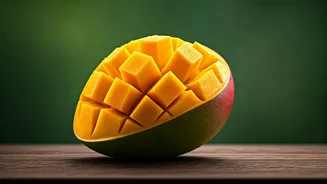
You can’t talk about a modern food trend without talking about TikTok, and the mango is the platform's current darling. The “mania” is being driven, in part, by an endless scroll of deeply satisfying content. Users share mesmerizing videos of peeling a perfectly ripe mango in one long strip or the viral “mango flower” cutting hack that turns the fruit into an edible work of art. Beyond the visual appeal, there are recipes for whipped mango, mango sticky rice, and spicy mango salads racking up millions of views. This constant digital exposure does two things: it creates a powerful craving (FOMO, but for fruit) and it demystifies the process of choosing, cutting, and preparing a mango, lowering the barrier to entry for curious consumers.
A World Beyond the Round, Red Mango
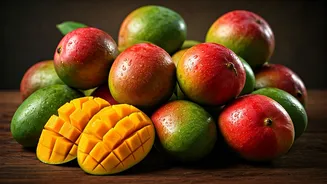
For decades, the American idea of a mango was singular: the large, round, red-and-green Kent or Tommy Atkins varieties. They’re dependable and widely available, but they’re just the beginning of the story. A huge part of the current craze is the growing accessibility of other varietals. The star of this new wave is the Ataulfo mango, also marketed as the Honey or Champagne mango. This small, kidney-bean-shaped, golden-yellow fruit is less fibrous, intensely sweet, and has a creamy, buttery texture that has won over legions of new fans. As grocers expand their offerings to include Keitt (a large, green-skinned late-season variety) and Palmer mangoes, Americans are discovering that there’s a whole universe of flavors, from bright and tangy to rich and dessert-like.
The Savory Revolution
Perhaps the most significant shift is the mango’s escape from the dessert menu. While it will always be a champion in smoothies, sorbets, and fruit tarts, its true versatility is shining in savory dishes. Chefs and adventurous home cooks are using its sweetness and acidity to balance rich, spicy, and salty flavors. Think of fresh mango salsa spooned over grilled fish tacos, giving a burst of freshness that cuts through the spice. Imagine thin slivers of green, unripe mango adding a sour crunch to a Thai-style salad, or a tangy mango chutney served alongside a pork chop or grilled chicken. This embrace of the mango as a complex savory ingredient—a technique central to many Latin American and Asian cuisines—has fundamentally expanded its role in the American kitchen.
How to Join the Mango Movement
Ready to dive in? First, learn how to pick a winner. Don’t focus on color, as it varies widely by type. Instead, gently squeeze the fruit. A ripe mango will have a slight give, similar to a peach or avocado. It should also have a fragrant, fruity aroma near the stem. For the creamiest, sweetest experience, seek out a Honey mango. For a classic, all-purpose fruit, a Kent is a great choice. Once you get it home, try the viral cutting method: slice off the two fleshy “cheeks” on either side of the flat, central pit. Score the flesh in a grid pattern without cutting through the skin, then press the skin from behind to pop the cubes outward. From there, you can eat them directly, toss them in a salad, or blend them into the best smoothie of your life.