






Meet Your 'Second Brain'
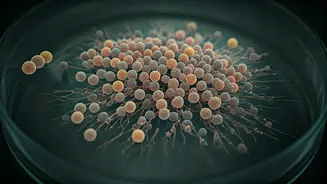
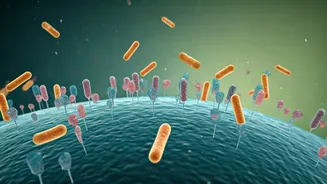
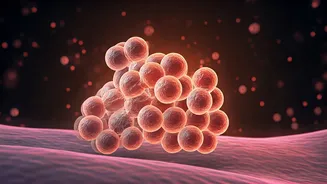
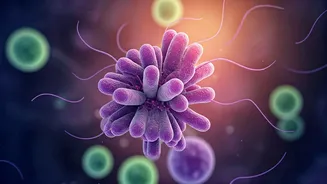
For decades, we thought of the gut as a simple plumbing system: food goes in, waste comes out. We now understand it's more like a bustling metropolis inside you. This is your gut microbiome—a complex ecosystem of trillions of bacteria, fungi, and other
microbes living in your digestive tract. Far from being passive passengers, these microorganisms play a critical role in digesting food, producing essential vitamins, and, most importantly, regulating your immune system. Researchers have even dubbed the gut the body's 'second brain.' That's because it contains an extensive network of neurons, known as the enteric nervous system, which is in constant communication with the brain in your head. This 'gut-brain axis' is a two-way superhighway, meaning the state of your gut can directly influence your mood, stress levels, and even cognitive function, while your mental state can likewise affect your digestive health.
Why the Sudden Obsession?
The science isn't brand new, but our collective focus on it is. Several factors are driving this shift. First, our modern lifestyles are notoriously tough on our microbiomes. Diets high in processed foods and sugar, chronic stress, insufficient sleep, and the overuse of antibiotics can all disrupt the delicate balance of our gut flora. As more people experience issues like bloating, fatigue, and brain fog, they're looking for root causes beyond conventional explanations. Secondly, research highlighting the gut-brain connection has gone mainstream. The idea that nurturing your gut could lead to better mental clarity, reduced anxiety, and a more stable mood is a powerful motivator. It reframes health from something siloed—where a stomachache is just a stomachache—to a holistic system where your gut health is foundational to your overall physical and mental well-being. This broader perspective resonates with a wellness-conscious public tired of surface-level fixes.
Feeding Your Inner Garden
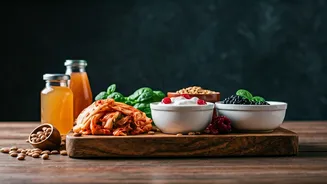
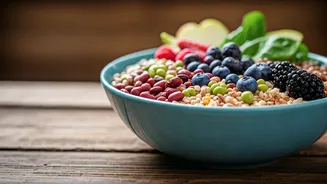
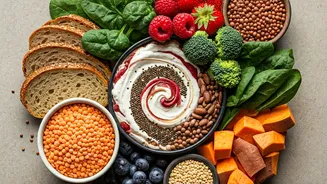
So, how do you cultivate a healthy gut? The conversation often revolves around two key concepts: prebiotics and probiotics. Think of your microbiome as a garden. Probiotics are the 'seeds'—the live beneficial bacteria you can introduce to your system. You'll find them in fermented foods like yogurt with live active cultures, kefir, sauerkraut, kimchi, and kombucha. Prebiotics, on the other hand, are the 'fertilizer.' They are specific types of fiber that your body can't digest but that your good gut bacteria love to eat. Foods rich in prebiotic fiber include garlic, onions, leeks, asparagus, bananas, and whole grains like oats and barley. The goal isn't to eradicate 'bad' bacteria but to foster a diverse and robust community of beneficial microbes. A diet rich in a wide variety of plant-based foods is consistently shown to be the most effective way to support this diversity, creating a resilient internal ecosystem.
Navigating the Probiotic Gold Rush
Where there’s a wellness trend, there’s a market. The global gut health industry is booming, with store shelves now overflowing with probiotic supplements, 'gut-friendly' snack bars, and designer beverages. While some of these products can be beneficial, it's wise to approach them with a healthy dose of skepticism. The supplement industry is loosely regulated, and the effectiveness of a probiotic can depend on the specific strains of bacteria it contains, the dosage, and its ability to survive the journey to your gut. Many experts suggest a 'food-first' approach. Incorporating whole, fermented, and fiber-rich foods into your diet is a more reliable and often more affordable strategy than navigating the complex and sometimes overhyped world of supplements. Before spending a fortune on pills and powders, start by adding a wider variety of plants to your plate. Your gut—and your wallet—will likely thank you.