





1. The Chicken You Can Eat (Without the Chicken)
This isn't science fiction anymore. In 2023, the USDA gave the green light for the first-ever sales of cultivated meat in the United States. Companies like Upside Foods and Good Meat are now growing real chicken meat directly from animal cells in large,
stainless-steel tanks that look more like a brewery than a farm. The process starts with a small sample of cells, which are then fed a nutrient-rich broth, allowing them to grow and multiply into actual muscle and connective tissue. The result is real meat, identical at a cellular level to the kind from a conventionally raised bird, but made without the farm or the slaughterhouse. So far, it has only been available at a handful of high-end restaurants in places like San Francisco and Washington, D.C., but it marks a monumental shift in how we might produce protein in the future.
2. Steaks and Cutlets From Mushroom Root
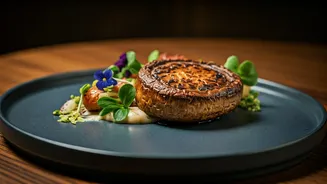
If you picture mushrooms as the little buttons and caps in your salad, prepare to have your mind blown. A new category of meat alternatives is being built from mycelium—the intricate, fibrous root structure of fungi. Companies like Meati are using this natural, whole-food ingredient to create surprisingly convincing steaks, chicken cutlets, and jerky. Because mycelium's long, thread-like fibers grow together, they create a texture that mimics the muscle striations of whole cuts of meat, something that has long been a holy grail for the plant-based industry. Unlike many heavily processed alternatives, mycelium products often have a very short ingredient list and are packed with protein and fiber. They cook, sear, and slice with a heft that’s worlds away from a standard veggie patty.
3. Real Dairy Ice Cream, Made Without a Cow
What if you could have the creamy, decadent taste of real dairy ice cream, but made without any animal involvement? That’s the promise of precision fermentation. This technology uses microorganisms (like yeast) and programs them to produce specific, complex proteins. For example, Perfect Day has engineered microflora to produce whey and casein—the very proteins that give cow's milk its unique texture and functionality. This “animal-free” whey is biologically identical to the original, but it’s made in a fermentation tank. The resulting protein powder can then be used to make ice cream, cream cheese, and milk that are lactose-free, cholesterol-free, and hormone-free, but with the same rich mouthfeel that plant-based alternatives often struggle to replicate. You can already find brands like Brave Robot and Coolhaus using this tech in the freezer aisle.
4. Seafood That Never Swam in the Ocean
Replicating the flaky, delicate texture of a fish fillet is one of the toughest challenges in the alternative protein space. But a new wave of innovators is tackling it with everything from 3D printers to novel plant ingredients. Some companies are using 3D-printing technology to layer plant-based proteins and fats into a structure that mimics the complex texture of a salmon fillet or the chew of a calamari ring. Others are turning to unexpected sources like seaweed and konjac root to create convincing shrimp and tuna alternatives. These products aim to offer the taste and culinary experience of seafood while alleviating pressure on overfished oceans and avoiding issues like mercury and microplastic contamination. It's a category that's quickly moving from niche to a genuinely exciting frontier.