







The Old Travel Calendar Is Broken
For generations, the travel calendar for India’s burgeoning middle class was as predictable as the seasons themselves. When summer temperatures soared across the plains in May and June, families fled to the cool air of Himalayan hill stations like Shimla
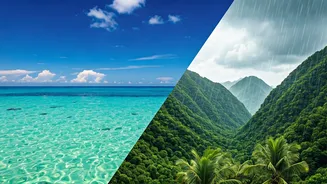
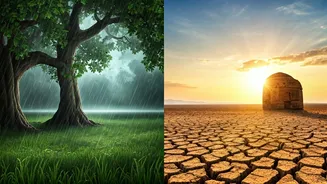
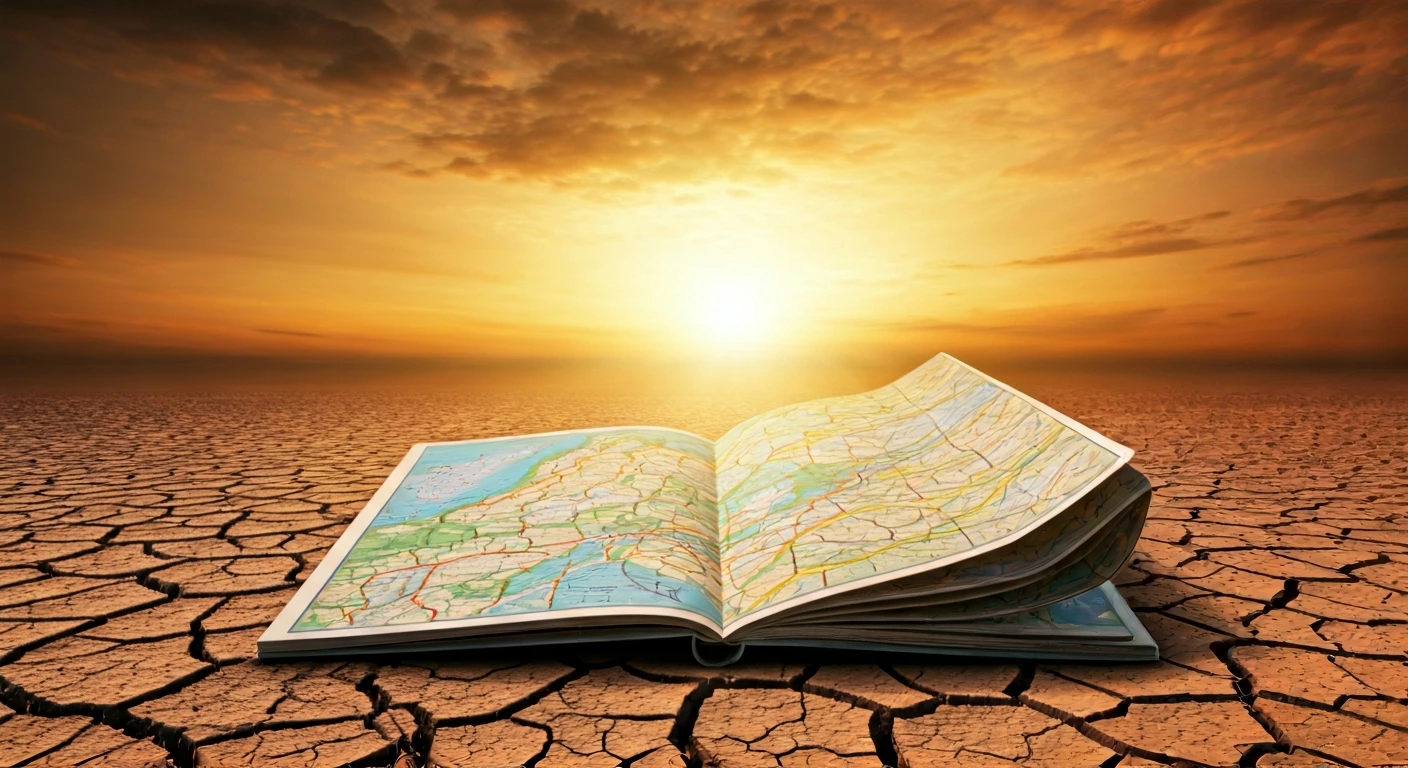
and Manali. When the monsoon rains arrived, it was time for cozy indoor trips or specific “monsoon tourism” to places where the rain enhanced the beauty, like Kerala. But that calendar is becoming a relic. In recent years, the climate has thrown one curveball after another. The Himalayan retreats that once offered refuge from the heat are now experiencing their own brutal, record-breaking heatwaves. Flash floods and landslides, once a monsoon-specific risk, are occurring with alarming frequency and unpredictability. The monsoon itself is no longer a reliable, three-month affair; it can arrive late, leave early, or dump a month’s worth of rain in a single day, washing out roads and travel plans alike. This climatic chaos has effectively shattered the traditional travel rulebook.
Rise of the 'Forecast Shopper'
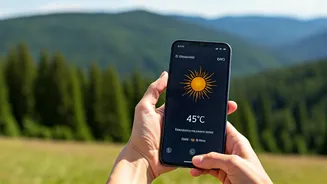
In response, a new kind of tourist is emerging: the “forecast shopper.” Instead of booking flights and hotels three months in advance for a summer getaway, this traveler waits until the last minute—sometimes just a week or two out. Their primary tool isn’t a travel guide; it’s a weather app. They are essentially shopping for good weather. The process is dynamic and fluid. A family in Delhi might have three potential destinations in mind: a mountain town, a coastal resort, and a wildlife park. Ten days before their planned departure, they check the extended forecasts for all three. The destination with the most promising outlook—clear skies, moderate temperatures, no flood warnings—gets the booking. This represents a fundamental shift from destination-led travel to condition-led travel. The question is no longer, “Where do we want to go?” but rather, “Where will the weather be good when we can go?” It’s a pragmatic response to an increasingly volatile environment.
New Destinations and Shifting Demands
This trend is rewriting India’s tourism map. Traditional hotspots that have become prone to extreme weather are seeing more volatile booking patterns, with last-minute cancellations and surges. Travel agents report that clients now pepper them with questions about weather contingencies, road conditions, and landslide risks. Simultaneously, travelers are discovering and promoting new, alternative destinations. These might be lesser-known hill stations that remain cooler, coastal areas outside the main cyclone belts, or regions with more stable microclimates. The search is on for “weather-proof” vacations. This has also led to a surge in what's known as “drivable destinations,” as travelers prefer the flexibility of being able to change plans or return home quickly in their own vehicle if the weather turns sour. The long-distance, multi-week planned vacation is giving way to shorter, more spontaneous trips closer to home.
How the Travel Industry Is Adapting
The travel and hospitality industry, initially caught off guard, is now scrambling to adapt. Rigorous, non-refundable booking policies are becoming a liability. Hotels and airlines that offer flexible cancellation or rescheduling options are winning over anxious travelers. Some travel companies are designing “flexible itineraries” where the final destination or activities can be altered based on the weather just before the trip begins. Technology is playing a huge role. Travel portals are integrating real-time weather alerts and forecasts more prominently. Hotels in at-risk areas are using social media to provide constant updates on local conditions, reassuring potential visitors that the roads are clear and the weather is pleasant. They are no longer just selling a room with a view; they are selling peace of mind in an unpredictable world. It's a move from static marketing to dynamic, responsive communication.