





More Than a Meal: What Is Temple Food?
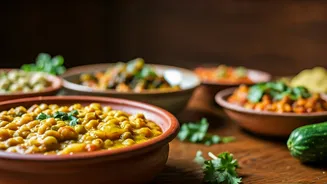
In hundreds of thousands of Hindu temples across India, food is more than sustenance—it’s a sacred offering. Known as *prasadam* or *prasad*, this food is cooked in temple kitchens, first offered to the temple’s deity in a spiritual ritual, and then distributed
for free to all visitors, regardless of faith or social standing. This act of service, called *langar* in Sikh temples which share a similar tradition, creates a powerful sense of community. The scale can be staggering; the Golden Temple in Amritsar, for example, serves a simple vegetarian meal to an estimated 100,000 people every day. But beyond the communal aspect, it’s the philosophy behind the food itself that’s capturing the attention of chefs, nutritionists, and wellness seekers far beyond India’s borders. It’s a cuisine designed not for flavor alone, but for spiritual and physical purity.
The Sattvic Philosophy of Purity
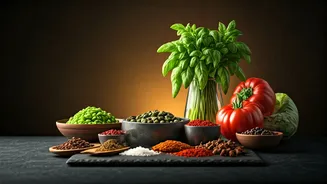
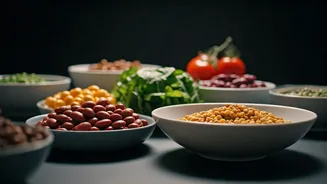
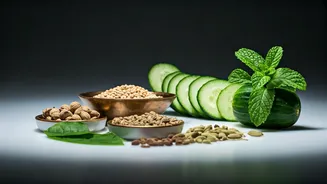
The foundation of most Hindu temple food is the Sattvic diet, a concept rooted in ancient Ayurvedic principles. Ayurveda, India's traditional system of medicine, categorizes foods into three types: *Sattvic* (pure, harmonious), *Rajasic* (stimulating, passionate), and *Tamasic* (dulling, heavy). Temple food is exclusively Sattvic, aiming to promote calmness, clarity, and vitality. This means it’s almost always vegetarian, often vegan, and emphasizes fresh, seasonal, and locally sourced ingredients. But the distinctions go deeper. Sattvic cooking strictly excludes ingredients considered Rajasic or Tamasic. Chief among these are onions and garlic, which are believed to overstimulate the senses and agitate the mind. Also out are alcohol, caffeine, meat, and heavily fermented or stale foods. The result is a cuisine that is inherently light, clean, and easy to digest, focusing on whole grains, legumes, vegetables, fruits, and subtle spices like ginger, turmeric, and cardamom.
Why It Resonates in the Modern West
It’s no coincidence that these ancient principles are finding an eager audience today. The Sattvic philosophy aligns almost perfectly with several major pillars of the modern wellness movement. The emphasis on whole, unprocessed, plant-based foods is a direct echo of today’s leading dietary advice. The exclusion of onions and garlic, while unusual for many cuisines, appeals to a growing interest in gut health and low-FODMAP eating, as these alliums can be digestive irritants for some people. Furthermore, the very act of preparing and eating temple food is a form of mindful practice. The food is cooked with intention and positive energy, and it's meant to be eaten with gratitude and awareness. In a world of fast food and distracted, rushed meals, this call to slow down and connect with our food is a powerful antidote. It reframes eating not as a transaction, but as a holistic act of self-care and spiritual nourishment.
From Sacred Kitchens to Global Plates
While you may not see a 'temple food' section on most restaurant menus yet, its influence is spreading. Michelin-starred chefs and wellness-focused restaurateurs are increasingly drawing inspiration from Sattvic principles, creating dishes that prioritize purity of ingredients and Ayurvedic balance. Acclaimed Indian chefs like Vikas Khanna have spent years documenting these sacred food traditions to preserve and share them with the world. Wellness retreats and high-end spas now feature menus built around these gentle, detoxifying meals. Cookbooks and food blogs dedicated to Sattvic and Ayurvedic cooking are gaining popularity, teaching home cooks how to incorporate these principles into their daily lives. The 'trend' isn’t about replicating exact temple recipes, but about embracing the underlying ethos: that food should be simple, pure, and prepared with love to nourish both body and soul.