




The New Definition of Luxury
For decades, the peak of a luxury vacation was often defined by excess—more activities, richer food, later nights. Today, a new status symbol is emerging from the burnout of modern life: profound, intentional rest. Enter the sleep retreat. These curated
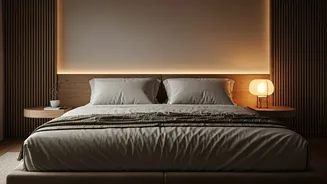
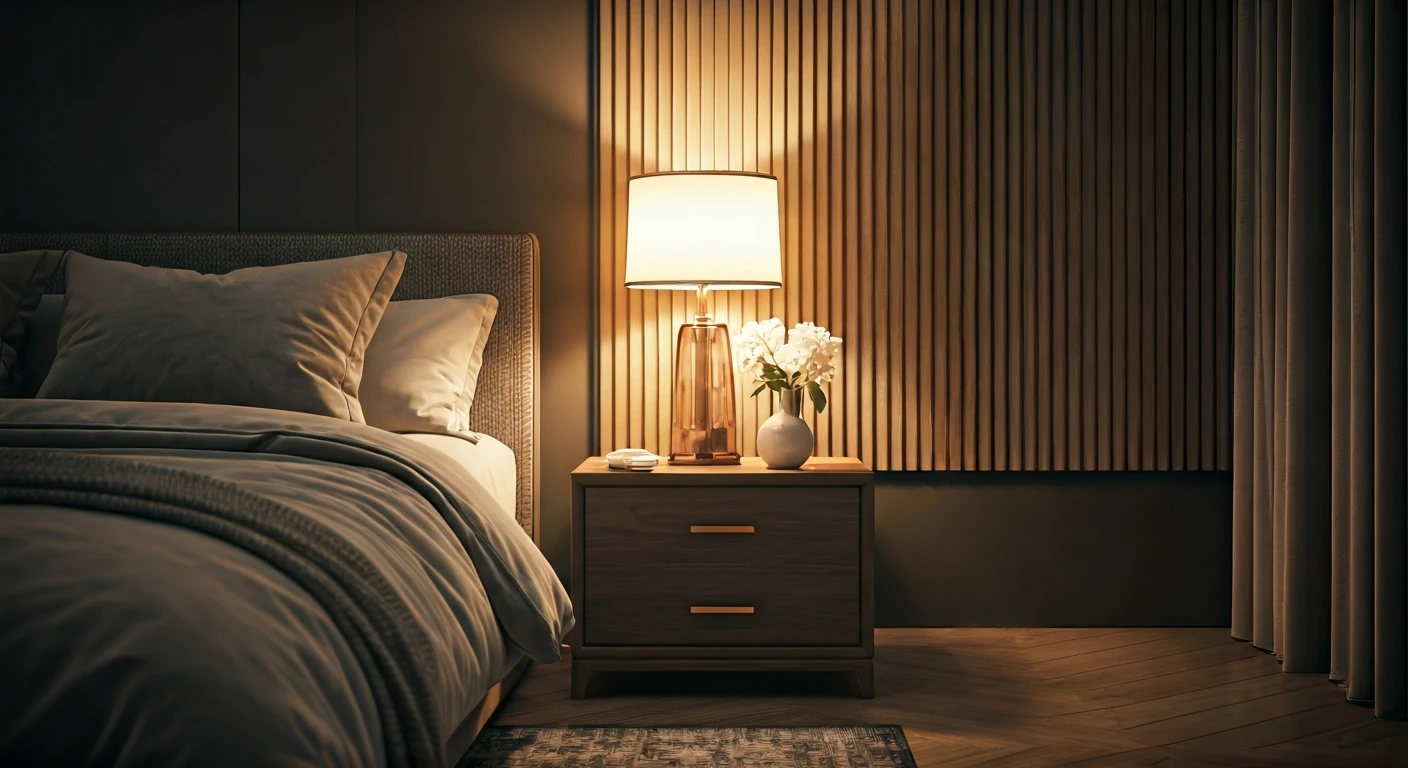
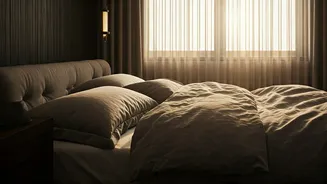
getaways are popping up at five-star hotels and dedicated wellness centers, offering an experience designed around one simple, yet elusive, goal: helping you reclaim your sleep. Instead of a blaring alarm, you might wake to a gentle, simulated sunrise. Instead of a buzzing phone, you’ll find a weighted blanket. The silence isn't just an absence of noise; it's a carefully crafted amenity, a key part of an environment meticulously designed to quiet both the outside world and your internal monologue.
More Than Just a Comfy Bed
So, what exactly happens at a sleep retreat? It’s far more involved than just providing high-thread-count sheets and a quiet room. These programs often blend high-tech analysis with holistic therapies. A stay might begin with a consultation with a sleep coach or a specialist who uses tracking devices to analyze your sleep patterns, identifying issues like restlessness or interruptions. The interventions are then personalized. You might be offered a 'pillow menu,' AI-powered mattresses that adjust temperature and firmness, or guided meditations piped through your room’s sound system. The experience extends to daylight hours, with activities designed to support the body’s circadian rhythm. Think morning yoga to energize, specific meal plans low in sugar and caffeine, and evening rituals like aromatherapy, sound baths, or tech-free 'wind-down' periods before bed.
A Response to the 'Sleep Trough'
The rise of sleep tourism isn't happening in a vacuum. It’s a direct response to a well-documented public health issue. Decades of 'hustle culture' have left many Americans chronically sleep-deprived. The pandemic only exacerbated the problem, introducing terms like 'coronasomnia' to describe the widespread anxiety and disruption to routines that left millions tossing and turning. We’ve reached a collective breaking point. The understanding that sleep is not a passive state but a critical pillar of health—affecting everything from cognitive function and mood to immune response and metabolic health—has finally gone mainstream. People are no longer just looking for a temporary escape; they’re seeking tools and strategies to fix a fundamental part of their well-being.
The Ultimate Wellness Investment?
These retreats don't come cheap. Programs at high-end hotels can run into thousands of dollars for a multi-night stay, positioning truly restorative sleep as a luxury commodity. But proponents argue that it’s an investment, not just an indulgence. The goal isn’t merely to catch up on rest for a few nights, but to reset your habits and mindset around sleep. Guests are meant to leave with a deeper understanding of their own sleep architecture and a toolkit of techniques—from breathing exercises to nutrition tips—that they can implement back home. It’s a paradigm shift: moving from seeing sleep as a biological necessity to be minimized, to viewing it as a skill to be honed and a pleasure to be savored.