






Friendly Competition Sparks Motivation
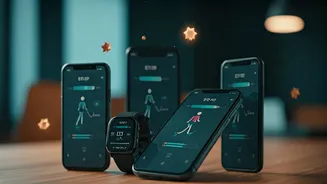
At the heart of most step communities is the leaderboard. Seeing your name climb—or slip—in the daily or weekly rankings provides a powerful motivational nudge. It’s not about intense, high-stakes rivalry; it’s about lighthearted social comparison. When
you see a friend is only 500 steps ahead of you, suddenly that evening stroll around the block seems a lot more appealing. This gentle competition gamifies walking by introducing a clear, immediate goal: stay ahead of your cousin or beat your coworker in the ‘Workweek Hustle.’ Most fitness apps, from Fitbit to Garmin Connect, build these leaderboards directly into their social features, making it easy to see how you stack up against a small, curated group of friends or family. The dynamic creates a subtle push that solitary step counting simply can’t replicate.
Accountability Without the Pressure
The idea of an ‘accountability buddy’ can feel daunting. It often means scheduled gym sessions or check-in texts that can feel like another obligation. Step communities offer a more passive, lower-stress form of accountability. Simply knowing that others in your group can see your activity—or lack thereof—is often enough to encourage you to get moving. Unlike a personal trainer, the group isn’t going to call you out if you have an off day. Instead, the visibility of the shared data fosters a sense of collective effort. This low-pressure environment removes the guilt associated with missing a workout, replacing it with a gentle, ambient reminder of your goals. It’s the perfect middle ground for those who want a push but don’t want to feel policed, making consistency feel more achievable and less like a chore.
The Gamification Effect: Badges and Streaks
Modern fitness apps are masterfully designed to tap into the same parts of our brains that get hooked on video games. Step communities amplify this ‘gamification’ by adding social context to digital rewards. Earning a badge for a new daily step record or for hitting a 10-day streak feels good on its own. It feels even better when your app broadcasts that achievement to your friends, who can then send you a virtual cheer or a thumbs-up. These small rewards create a satisfying feedback loop. You walk, you get a badge, you get social validation, and your brain releases a small hit of dopamine, making you more likely to repeat the behavior. Challenges like Fitbit’s ‘Weekend Warrior’ (get the most steps on Saturday and Sunday) turn a simple activity into a structured, winnable game with a clear finish line.
Shared Goals and Social Support
Beyond individual competition, many platforms offer collaborative challenges. In these, you and your friends team up to reach a collective step goal or traverse a virtual landscape, like the length of the Appalachian Trail. This shifts the focus from ‘me vs. you’ to ‘us vs. the goal.’ The dynamic fosters camaraderie and a powerful sense of shared purpose. When you see a teammate had a huge day with 20,000 steps, it might inspire you to contribute more. Conversely, if you’re having a slow day, you know the team can help pick up the slack. The built-in chat functions and reaction buttons—allowing you to ‘cheer’ or ‘taunt’ friends—add a layer of human connection that turns a data-tracking app into a genuine social network centered on well-being. This encouragement is often the secret ingredient that keeps people engaged long-term.
How to Find Your Community
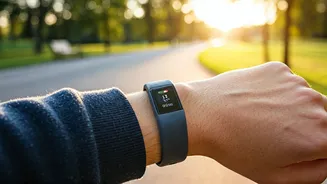
Getting started is simpler than you think. You likely already have access to a step community through your smartphone or fitness tracker. If you use an Apple Watch, you can challenge friends directly through the Fitness app. Fitbit and Garmin Connect have robust ‘Community’ tabs where you can join public challenges or create private groups with friends and family. Apps like Strava, though more focused on running and cycling, also have excellent walking features and group functions. The easiest way to begin is to start small. Invite a handful of friends or relatives to a week-long challenge. You can also look for corporate wellness programs at your workplace, which often use these platforms to encourage employee health. The key is to find a group whose vibe matches your own, whether it’s playfully competitive or purely supportive.