





The Backlash Against the 'Perfect' Trip
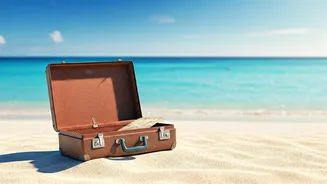
For years, the ideal vacation was a logistical masterpiece. Itineraries were packed, reservations were made months in advance, and every moment was optimized for maximum sightseeing. Social media amplified this, turning trips into a performance of curated
fun, where the pressure to capture the perfect photo often overshadowed the experience itself. But a growing cohort of Millennial and Gen Z travelers is actively rebelling against this model. They witnessed the burnout of a travel style that felt more like a job than a release. The result is a conscious move away from the frantic pace of ‘doing it all’ and a pivot toward simply ‘being’ somewhere. This isn't about laziness; it's a strategic retreat from the exhaustion of hyper-optimization. Instead of a frantic race to see everything, the new goal is to truly experience something.
Embracing the Art of Slow Travel
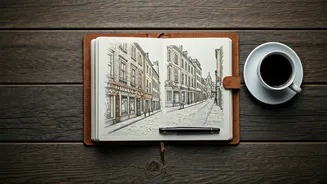
This shift has a name: slow travel. It’s the travel equivalent of the farm-to-table food movement—a focus on quality over quantity, on local character over globalized branding. Instead of bouncing between cities, a slow traveler might spend an entire week in one neighborhood, getting to know the local bakery owner, finding a favorite park bench, and learning the rhythm of the community. It’s about trading a museum-a-day marathon for long afternoons spent in a single cafe, observing daily life. Travel companies are taking note, with a rising number of tours offering longer stays, unstructured free time, and experiences designed around immersion rather than spectacle. This approach allows for the serendipitous moments that rigid itineraries squeeze out—the unexpected conversation, the hidden alleyway, the festival you stumble upon by chance.
A Search for Genuine Connection
At its core, this trend is driven by a deep-seated desire for authenticity in a digitally saturated world. After years of curated online personas and fleeting virtual interactions, younger travelers are seeking tangible, real-world connections. A study by travel group Contiki found that Gen Z travelers prioritize “learning about new cultures” and “connecting with new people” above many other travel goals. This manifests as a preference for homestays over anonymous hotels, cooking classes with locals over Michelin-starred restaurants, and small-group activities that foster camaraderie. It’s a recognition that the most memorable part of a trip is often not the monument you saw, but the person you shared a meal with or the story a local guide told you. This desire extends to connecting with oneself, using travel as a tool for mindfulness and self-reflection rather than just an escape.
Spontaneity Is the New Itinerary
In this new travel landscape, a blank calendar is not a sign of poor planning—it's the entire point. The ultimate luxury is no longer a fully-booked schedule but the freedom to be spontaneous. It’s about having a loose framework—a flight to Lisbon, a first-night accommodation—and letting the rest unfold. This requires a level of confidence and a willingness to embrace uncertainty that past generations, armed with guidebooks and travel agent printouts, might have found daunting. For today's young travelers, however, it’s empowering. Technology, paradoxically, helps enable this freedom. With booking apps, digital maps, and translation tools in their pocket, they have a safety net that makes improvisation less risky. They can book a train, find a room, or discover a great restaurant on the fly, allowing them to follow their curiosity wherever it leads.