



The Romance of Rain and Fried Food
For anyone with roots in South Asia, the connection between monsoon season and pakoras is almost primal. Pakoras—fritters made by dipping vegetables, cheese, or other ingredients in a spiced chickpea flour batter and deep-frying them—are the region’s
quintessential rainy-day snack. They are a celebration of the moment: the sizzle of the batter hitting hot oil mimics the sound of rainfall, and their warmth provides a cozy contrast to the cool, damp weather. Whether it’s onion (piyaz), potato (aloo), or spinach (palak), each bite is a crunchy, savory burst of comfort. This isn't just food; it's a tradition, an experience shared with family and friends while watching the downpour from a window or balcony. This deep-seated cultural craving is powerful, often overriding our better judgment about eating a plateful of fried food.
The Gut-Health Reality Check
Here’s the part your taste buds don’t want to hear. As delicious as they are, traditional pakoras pose a few challenges for our digestive system. The main culprit is deep-frying. Submerging food in extremely hot oil can create foods that are high in fat and calories, making them heavy and slow to digest. This can lead to uncomfortable symptoms like bloating, acidity, and a general feeling of lethargy. Furthermore, the type of oil used and its temperature matter. When oils are heated past their smoke point or reused multiple times—a common practice in some street food stalls and even homes—they can break down and form compounds that may contribute to inflammation and oxidative stress, which isn't great news for your gut microbiome, the community of beneficial bacteria that supports overall health.
Why Monsoon Can Mess With Digestion
Adding another layer to this is the traditional Ayurvedic perspective on seasonal eating. According to Ayurvedic principles, the monsoon season (Varsha Ritu) is a time when the body's digestive fire, or *agni*, is naturally weaker. The increased humidity and lack of sunshine are believed to slow down metabolic processes, making it harder for the body to break down heavy, oily, and cold foods. While modern science may not use the term *agni*, the concept aligns with the general feeling of sluggishness many people experience in damp, overcast weather. From this viewpoint, indulging in hard-to-digest fried foods when your system is already compromised is a recipe for digestive distress. This ancient wisdom suggests opting for lighter, warmer, and easily digestible meals during this time of year.
Your Pakora Peace Treaty: Enjoy Mindfully
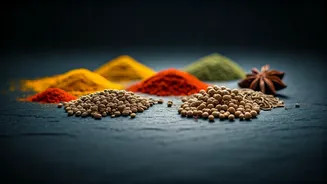
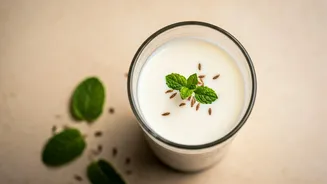
The good news is you don’t have to give up your beloved monsoon snack entirely. It's about making smarter choices to strike a balance between craving and consequence. Think of it as a peace treaty with your gut. First, ditch the deep fryer. Modern kitchen gadgets are your friend here. An air fryer can produce wonderfully crisp pakoras with a fraction of the oil, as can baking them on a sheet pan in a hot oven. Second, upgrade your batter by adding digestive-friendly spices like ajwain (carom seeds), ginger, and asafoetida (hing), which are traditionally used to counteract the heaviness of fried foods. Third, pay attention to portions. Savor two or three pakoras instead of a dozen. Finally, consider what you pair them with. Instead of a sugary, carbonated drink, opt for a warm herbal tea like ginger or mint to aid digestion. A fresh, herb-based chutney is also a better companion than a creamy, high-fat dip.