






What Exactly Is a Protein Soda?
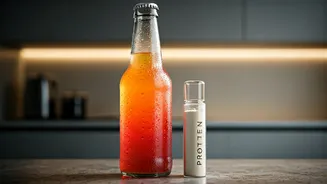
At its core, a protein soda is exactly what it sounds like: a carbonated beverage infused with protein. Think of it as the unlikely child of a LaCroix and a protein shake. Most brands start with a base of sparkling water and then add a protein source,
typically whey protein isolate because it’s highly filtered and mixes clearly without the chalky texture that plagues many protein powders. To make it taste like cherry, orange, or a tropical medley, companies use natural flavors and zero-calorie sweeteners like sucralose, stevia, or monk fruit. The result is a light, effervescent drink that delivers a protein boost without the sugar of traditional soda or the heaviness of a milky shake. It's designed to be a guilt-free treat that also helps you hit your daily protein macros—a concept that feels distinctly 21st-century.
Why Now? The Rise of Functional Fizz
The sudden appearance of protein soda isn't an accident; it’s the culmination of several massive wellness trends. First, Americans have been consciously “uncoupling” from sugary sodas for years, creating a huge market for healthier fizzy alternatives. This gave us the seltzer boom, followed by the rise of prebiotic sodas like Olipop and Poppi that promised gut-health benefits. Second, protein has become the undisputed king of macronutrients. From social media influencers to registered dietitians, the message is clear: more protein helps with satiety, muscle building, and overall health. Protein sodas cleverly merge these two movements. They offer the satisfying fizz and flavor of soda while delivering the wellness cachet of protein. It's a convenient, grab-and-go solution for a generation obsessed with optimizing every sip and bite. In a world where your water bottle can have electrolytes and your coffee can have mushrooms, it was only a matter of time before soda got a functional, protein-packed makeover.
The Nutritionist’s Take: Is It Healthy?
Here’s where the conversation gets more nuanced. Most nutrition experts agree that, compared to a can of Coke or even a diet soda, a protein soda is a step up. It provides a useful macronutrient and is generally low in calories and free of sugar. For someone who struggles to meet their protein goals or is looking for a post-workout recovery drink that isn’t a thick shake, it can be a convenient option. However, dietitians are quick to point out the downsides. These are still ultra-processed products. They often rely on artificial sweeteners, which some people prefer to avoid, and they lack the fiber, vitamins, and minerals you’d get from whole-food protein sources like chicken, beans, Greek yogurt, or tofu. The consensus is that protein soda shouldn’t be your primary protein source. It’s a supplement, not a replacement for a well-rounded meal. Think of it as a tool in your nutritional toolkit, not the entire toolbox.
Is It Worth the Hype (and the Price)?
As with any wellness trend, the answer depends on your goals and your budget. These drinks are not cheap, often costing three or four dollars a can. If you’re an athlete, a dedicated gym-goer, or someone on a specific high-protein diet, having a quick, refreshing protein source can be genuinely useful. It’s a way to top up your intake without feeling like you’re forcing down another chicken breast. The “flex” aspect is real, too. Carrying a can of protein soda signals that you’re in the know, that you prioritize fitness, and that you’re willing to invest in next-generation wellness products. But for the average person? It’s probably an occasional curiosity rather than a daily necessity. If you already eat a balanced diet with adequate protein, you don’t need to rush out and stock your fridge. It’s a novel, convenient, and surprisingly tasty product, but it isn’t a magic bullet for health.