



Master Your Soil Drainage
The single biggest threat to your hibiscus during a period of heavy rain is “wet feet.” Hibiscus plants, despite their tropical origins, despise sitting in waterlogged soil. It’s the fastest way to invite root rot, a fungal disease that can quickly kill
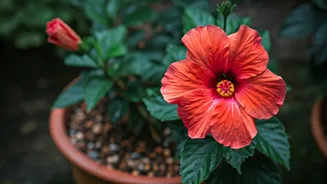
an otherwise healthy plant. Before the storms arrive, assess your situation. For potted hibiscus, ensure the container has multiple, unobstructed drainage holes. It’s a good time to repot if your plant has become root-bound, using a well-draining potting mix—think one part potting soil, one part perlite or coarse sand. For in-ground plants, the task is tougher. If you’re in an area with heavy clay soil, consider amending the surrounding soil with compost to improve its structure. You can also create a small, raised berm to plant on, which naturally encourages water to run off rather than pool around the base.
Prune for Airflow and Strength
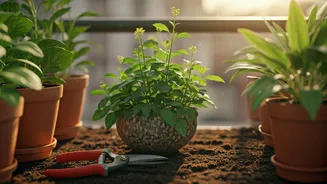
A dense, overgrown hibiscus is a sail in the wind and a breeding ground for fungus when humidity spikes. A strategic pre-monsoon prune solves both problems. The goal isn’t a hard cutback, but a thoughtful thinning. Start by removing any dead, weak, or crossing branches. These are the first to snap in high winds and offer no value to the plant. Next, selectively thin out the interior of the plant to improve air circulation. This helps the leaves dry out faster after a downpour, dramatically reducing the risk of fungal issues like powdery mildew or black spot. A well-pruned hibiscus is not only more resilient to wind and rain but will also channel its energy into producing stronger branches and more magnificent flowers once the sun returns.
Fertilize Thoughtfully, Not Forcefully
It’s tempting to load up your plants with fertilizer to “strengthen” them before a storm, but this can backfire. Pushing a lot of nitrogen-heavy fertilizer right before a wet spell encourages a flush of soft, leafy growth that is particularly susceptible to wind damage and pests. Instead, your focus should be on balanced nutrition. A few weeks before the rainy season is expected to begin, apply a balanced, slow-release fertilizer or one that’s slightly higher in potassium. Potassium is crucial for overall plant vigor, stress tolerance, and strong cell wall development, which helps the plant physically withstand the stress of excessive water and wind. Avoid any last-minute liquid feeding, as the heavy rains will likely just wash it away before the plant can absorb it.
Conduct a Pest and Disease Inspection
Wet, humid weather is an open invitation for pests and diseases to multiply. Before the monsoon hits, give your hibiscus a thorough once-over. Check the undersides of leaves for common pests like aphids, spider mites, and whiteflies. A small infestation can explode in damp conditions. Treat any existing problems now with insecticidal soap or neem oil. Similarly, inspect the leaves for any signs of fungal spots. If you see any, remove the affected leaves immediately and dispose of them (don’t compost them). Getting ahead of these issues before the plant is stressed by rain gives it a much better chance of staying healthy throughout the season.
Plan for Physical Protection
Sometimes, the best defense is a good retreat. If your hibiscus are in pots, you have the ultimate advantage: mobility. Identify a spot where you can move them for temporary shelter during the worst of a storm—against a wall, under a covered patio, or into a garage. This protects them from both torrential rain and damaging winds. For large, established plants in the ground, especially young ones, consider a temporary windbreak. A simple screen made from burlap attached to a few sturdy stakes can be enough to deflect the most powerful gusts and prevent branches from snapping. It’s a bit of extra work, but it can be the difference between a thriving plant and a heartbreaking pile of broken stems.