



The Post-Pandemic Pivot to Open Spaces
If there’s one thing the last few years taught us, it’s the value of personal space. The pandemic acted as a massive catalyst, accelerating a trend away from crowded tourist hotspots and toward destinations offering room to breathe. Suddenly, the idea
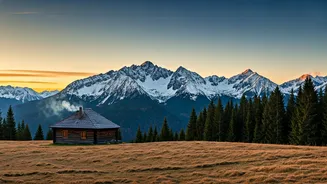
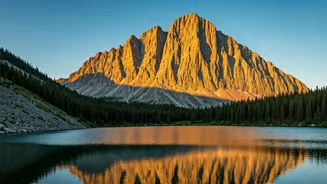
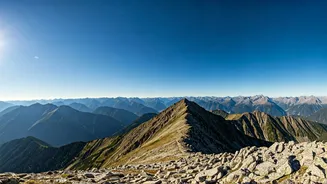
of packing onto a bustling beach or standing in a long line for a theme park ride lost its luster. In contrast, the mountains offered an almost perfect solution: natural social distancing. The appeal of wide-open trails, secluded cabin rentals, and vast, dramatic landscapes became undeniable. Travel data from platforms like Airbnb and Vrbo consistently showed a surge in bookings for rural and mountain regions. People weren't just seeking a vacation; they were seeking refuge and a sense of safety, and the mountains delivered.
More Than Just a Ski Slope
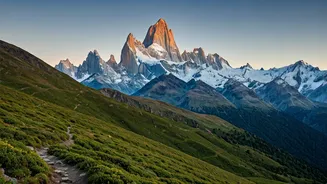
The classic image of a mountain vacation used to be tied almost exclusively to winter sports. You went to Aspen, Park City, or Stowe to ski or snowboard, and that was that. But today’s mountain towns are proving to be four-season powerhouses. Savvy destinations have invested heavily in creating year-round appeal. The same slopes that host skiers in January are now home to world-class mountain biking trails in July. The charming villages are now hubs for summer music festivals, food and wine events, and art fairs. Activities like hiking, fly-fishing, kayaking on alpine lakes, and leaf-peeping in the fall now draw enormous crowds. This diversification has transformed the economics of mountain tourism, turning the old “off-season” into a new, and often more accessible, peak season for a different type of traveler.
The 'Workcation' Finds Its Home
The remote work revolution has fundamentally changed the when, where, and how of travel. Untethered from a physical office, millions of Americans now have the freedom to blend work and leisure. This has given rise to the “workcation”—extended stays in desirable locations where one can plug in during the day and unplug in the evening. Mountain towns are tailor-made for this new lifestyle. They offer the perfect combination of reliable Wi-Fi and inspiring scenery. A professional can spend their morning on Zoom calls with a backdrop of the Rockies and their afternoon hiking to a waterfall. This trend has not only boosted tourism but has also led to a demographic shift, with a new wave of semi-permanent residents bringing new energy and investment into these communities.
An Escape for Mind and Body
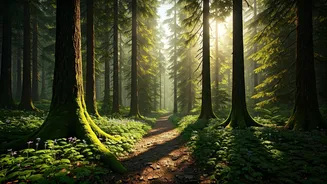
Beyond the logistics and landscapes, there's a deeper cultural shift at play. In an era of digital burnout and constant connectivity, the search for wellness and authenticity has become a primary driver of travel choices. The mountains tap directly into this desire. The Japanese concept of *shinrin-yoku*, or “forest bathing,” has entered the mainstream, with science backing the mental and physical health benefits of spending time in nature. A mountain getaway offers a tangible escape from the noise and pressure of daily life. It’s about quiet moments, physical challenges that clear the mind, and reconnecting with something elemental. It’s a move away from performative, Instagram-driven travel toward a more introspective and restorative experience—a trend that favors the quiet grandeur of a mountain peak over the see-and-be-seen vibe of a crowded resort.