



The High-Altitude Workation
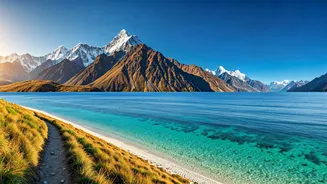
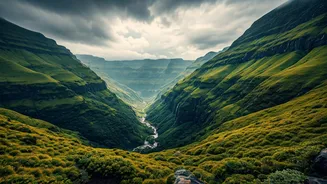
The dramatic, moon-like landscapes of Ladakh and the Spiti Valley in the Himalayas have long been a draw for hardcore trekkers. But the new trend is a much longer, slower stay. Fueled by remote work and a search for digital detoxes, travelers are now
heading to these high-altitude deserts not just for a two-week trip, but for a month-long “workation.” They’re swapping their home offices for cafes in Leh with stunning views of snow-capped peaks and ancient monasteries. The appeal is clear: it's the ultimate escape from the daily grind, combining productivity with profound silence and some of the most surreal, stark scenery on the planet. The journey is part of the adventure, involving winding mountain roads that are not for the faint of heart, but the reward is a sense of peace and perspective that’s hard to find anywhere else.
The Living Root Bridges of Meghalaya
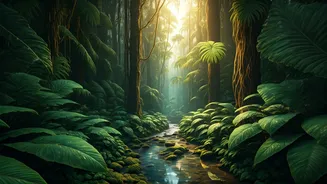
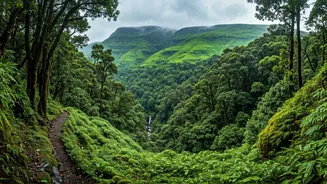
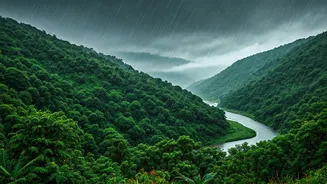
In the northeastern state of Meghalaya, known as the “abode of clouds,” the Khasi and Jaintia peoples have been training the roots of rubber trees to grow into natural bridges for centuries. These fantastical, organic structures, some strong enough to hold dozens of people, are now a major draw for eco-conscious travelers. Unlike a simple photo op, visiting these bridges in places like Cherrapunji and Mawlynnong involves trekking through lush, misty rainforests. This isn't just sightseeing; it's an immersion into a unique example of living, sustainable architecture. The trend here is a move toward travel that connects visitors with unique, local ingenuity and the profound power of nature, a world away from concrete and steel.
Kerala's Quieter Backwaters
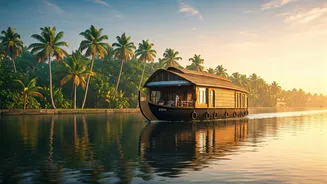
The iconic image of Kerala has always been a large, luxurious houseboat drifting down its palm-fringed backwaters. While still popular, the trend is shifting towards a more intimate and sustainable experience. Travelers are now seeking out smaller, family-run homestays and eco-resorts nestled along the less-trafficked canals. Instead of floating hotels, they’re opting for canoe tours led by local villagers, exploring narrow waterways inaccessible to larger boats. This approach supports local communities directly and offers a quieter, more authentic glimpse into the daily life, cuisine, and rhythms of the backwaters. It’s a conscious choice to trade a bit of luxury for a lot more connection.
The 'New Goa' on the Southern Coast
For decades, Goa was the undisputed king of India’s beach scene. But for travelers looking for fewer parties and more peace, the trend has shifted south to the coasts of Karnataka and Kerala. Towns like Gokarna and Varkala are becoming the “new Goa” for a different kind of traveler. Gokarna, with its sacred temples and pristine beaches like Om and Kudle, offers a more spiritual and laid-back vibe. Varkala is famous for its dramatic red cliffs that drop down to the Arabian Sea, a stunning backdrop for the yoga shalas, wellness centers, and organic cafes that line its edge. These destinations are attracting those who want the sun and sand but prefer morning yoga to all-night raves.
The Seasonal Spectacle in the Valley of Flowers
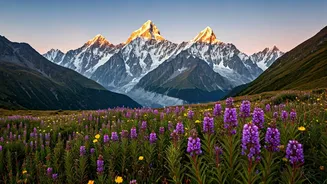
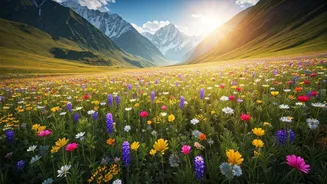
For the traveler whose timing is everything, the ultimate scenic prize is the Valley of Flowers National Park in Uttarakhand. This high-altitude Himalayan valley, a UNESCO World Heritage Site, is a tranquil alpine meadow for most of the year. But for a few short months during the monsoon season (typically July to September), it explodes into a riot of color, with hundreds of species of wildflowers carpeting the entire landscape. The trend is all about experiential, time-sensitive travel. Reaching the valley requires a multi-day trek, making the final reveal even more rewarding. It’s a pilgrimage for nature lovers, botanists, and photographers seeking a truly ephemeral and breathtaking natural wonder.