
More Than Just Birdseed
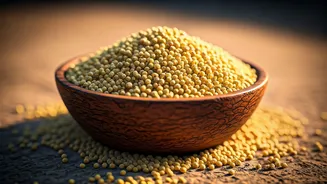
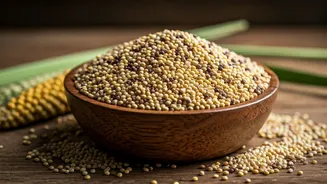
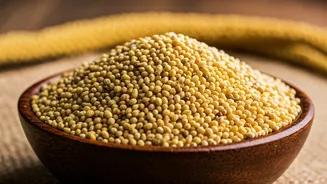
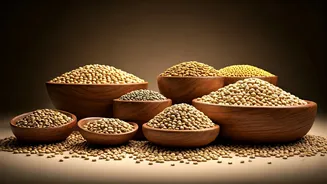
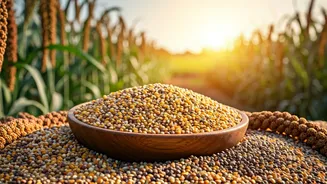
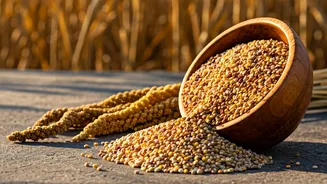
Let’s get one thing out of the way: if your only association with millet is the bird feeder in your backyard, you’re missing out on one of humanity’s oldest and most versatile foods. This tiny, bead-like grain is a staple for hundreds of millions of people
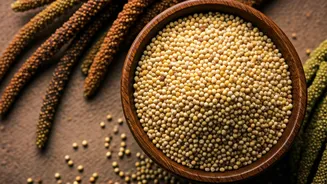
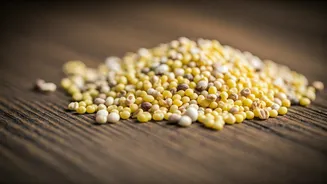
across Africa and Asia, where it has been cultivated for over 7,000 years. It’s not a single grain, but a group of grasses—including pearl, proso, and foxtail varieties—that share a few key characteristics: they’re naturally gluten-free, packed with nutrients like magnesium and antioxidants, and remarkably resilient. Historically, millet has been a food of sustenance, a reliable crop that could thrive in arid conditions where wheat and rice would fail. In the U.S., it was largely relegated to health food stores and the gluten-free aisle, seen as functional rather than flavorful. But that perception is undergoing a dramatic, and delicious, transformation.
The Path to the Premium Plate
So, why is millet suddenly the darling of the fine-dining world? The trend didn’t happen in a vacuum. A major catalyst was the United Nations declaring 2023 the “International Year of Millets,” a move designed to raise awareness of the grain's nutritional and environmental benefits. This put millet on the global radar of chefs, food writers, and conscious consumers. But the groundwork was already laid. Decades of gluten-free dieting pushed chefs to explore alternative grains, moving beyond quinoa to find new textures and flavors. Millet fit the bill perfectly. Furthermore, the restaurant industry’s growing focus on sustainability makes millet an undeniable hero. It’s a low-input, drought-tolerant crop that requires significantly less water than corn or rice, making it an environmentally responsible choice for chefs looking to shrink their carbon footprint. This combination of global recognition, culinary need, and ecological virtue created the perfect conditions for millet’s ascent.
A Chef's Secret Weapon
For chefs, millet’s most exciting quality is its sheer versatility. It’s a culinary chameleon. Cooked gently with extra liquid, it becomes a creamy, luxurious porridge that can stand in for polenta or risotto, ready to soak up the flavor of a rich braise or earthy mushrooms. Toasted, it develops a wonderful nutty aroma and a fluffy, couscous-like texture, perfect as a bed for roasted fish or vegetables. But the magic doesn’t stop there. Chefs are popping it like corn for a crunchy garnish, grinding its flour into delicate batters for tempura, and forming it into crispy cakes to serve alongside seared scallops. This textural range is a goldmine. It allows a single ingredient to play multiple roles on one plate—offering creaminess, bite, and crunch all at once. It’s a playground for creative chefs who are always searching for new ways to delight and surprise their diners. The grain's mild, slightly sweet flavor also makes it a perfect canvas for both savory and sweet applications, from seasonal vegetable medleys to inventive desserts.
Finding Millet on the Menu
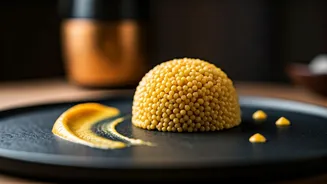
As millet’s star rises, you’ll see it appearing on menus in increasingly sophisticated forms, often tied to the season. In the fall and winter, look for it in heartier preparations. You might find a “creamy millet porridge” served with slow-cooked short rib, wild mushrooms, and parmesan, or a “toasted millet pilaf” studded with roasted butternut squash, cranberries, and pecans. The grain’s earthy notes pair beautifully with root vegetables and savory herbs. Come spring and summer, the applications will lighten. Expect to see crispy millet cakes as a base for fresh crab salads, or a chilled millet salad with spring peas, mint, and lemon vinaigrette. You might even see it used as a crunchy crust for pan-seared halibut. Don’t be surprised to find it in the dessert section, either, perhaps as a creamy pudding with seasonal fruit or as part of a crunchy crumble topping. It’s a signal that the chef is thinking deeply about texture, sustainability, and flavor in a way that moves beyond the obvious.