






A New Kind of Kitchen Staple
For generations, the Indian kitchen has been defined by its *masala dabba*, or spice box—a meticulously organized circle of essential powders and seeds. But today, that collection is expanding. Next to the jars of chili powder and coriander seeds, you’re
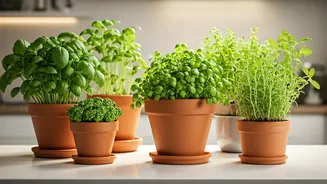
increasingly likely to find small pots holding their living counterparts. Vibrant green coriander (cilantro), fragrant mint, sharp green chilis, and the essential curry leaf plant are turning spare corners of granite and marble into miniature, edible gardens. This isn’t just a decorative trend borrowed from Western design magazines; it’s a deeply functional shift, bringing the source of a meal’s finishing touches just inches from the cooking pot.
The Pandemic's Green Legacy
Like many home-based movements, this one found its catalyst in the global pandemic. As lockdowns confined millions of Indians to their apartments, two things happened: people began cooking more and simultaneously sought hobbies that offered a sense of calm and productivity. Gardening, even on a micro-scale, fit the bill perfectly. Concerns over supply chains and the desire for fresh, uncontaminated produce gave the trend a practical urgency. What started as a way to pass the time evolved into a lasting habit. Nurseries and online startups reported a surge in demand for seeds, saplings, and beginner-friendly gardening kits designed for small, urban spaces. The simple act of nurturing a plant from seed to harvest provided a tangible connection to nature and a feeling of self-sufficiency during a time of global uncertainty.
From Countertop to Cooking Pot
This movement is about more than just aesthetics; it's a hyperlocal version of the farm-to-table philosophy. For many, it's a direct response to anxieties about pesticides and a growing desire for organic, clean eating. Having a pot of mint on the windowsill means fresh chutney is always an option. A cluster of chili plants ensures a key ingredient for tempering dals and curries is readily available. Plucking a few curry leaves straight from the stem offers a level of aroma and flavor that store-bought equivalents can't match. This practice reconnects urban dwellers with their food in a fundamental way. It shortens the food chain to a matter of feet, fostering a deeper appreciation for the ingredients that form the backbone of Indian cuisine.
An Answer to Urban Constraints
In India's densely populated cities, a sprawling backyard garden is an unimaginable luxury for most. The genius of the kitchen-counter garden lies in its adaptability. It’s a solution born of constraint, perfectly suited to the high-rise apartment life of millions. Windowsills, small patches of countertop, and tiny balconies are being ingeniously repurposed into productive green spaces. This trend is a testament to resourcefulness, proving that a lack of square footage doesn't have to mean a disconnect from growing your own food. It democratizes gardening, making it accessible to anyone with a spare corner and a little sunlight. Companies have sprung up to support this, offering compact vertical planters, specialized soil mixes for indoor growing, and LED grow lights to supplement inconsistent natural light.
A Blend of Tradition and Modernity
Ultimately, the rise of the mini plant corner represents a beautiful synthesis of old and new. It taps into a traditional reverence for fresh ingredients while embracing the realities of modern urban living. In a world of app-based grocery delivery and processed foods, this simple act of cultivation is a form of quiet rebellion. It’s a small but meaningful way to reclaim a piece of the food-making process, infusing the daily ritual of cooking with a new layer of intention and care. These little green corners are more than just plants; they are symbols of resilience, wellness, and a renewed connection to the flavors that define a culture.