







The Scorching New Reality
For generations, the American travel calendar was simple: summer was for Europe, the beach, or a national park. But as climate change intensifies, that assumption is melting away. The term “40-degree summer” refers to temperatures hitting 40 degrees Celsius,
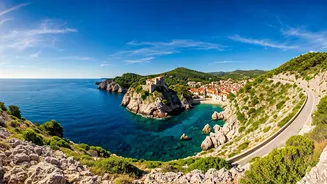
a blistering 104 degrees Fahrenheit. Once a shocking anomaly, these figures are becoming the norm across popular destinations in Southern Europe, from Spain to Greece and Italy. The idyllic image of strolling through Roman ruins or sunbathing on the Amalfi Coast is being replaced by reports of tourists fainting from heatstroke, attractions closing early, and wildfires threatening resort towns. This isn't a future problem; it's happening now, forcing a gut check for anyone planning a trip between June and August. The heat is no longer just a minor inconvenience you can solve with an extra scoop of gelato. It’s an oppressive, vacation-ruining force that grounds you in your air-conditioned hotel room, wondering why you flew thousands of miles to feel this miserable.
The Two Faces of Climate FOMO
This intense heat is creating a potent, two-pronged form of travel anxiety, or Fear Of Missing Out. The first is straightforward: escape FOMO. When you’re stuck in a sweltering city at home, seeing friends post from breezy, cooler locales triggers a powerful urge to get away from the heat. It’s a reactive FOMO, driven by the immediate discomfort of your own environment. The second, more existential fear is “last chance” FOMO. Travelers are increasingly aware that the world they want to see is changing. This creates a frantic desire to visit cherished destinations *before they’re gone* or irrevocably altered. Will the glaciers in Patagonia still be there in a decade? Will the Great Barrier Reef’s colors fade completely? Will Venice be permanently submerged? This anxiety adds a layer of urgency to travel, transforming it from a leisurely pursuit into a frantic bucket-list race against time. The fear is no longer just about missing out on a fun trip, but about missing out on a piece of the planet’s heritage.
Enter the ‘Cool-cation’
In response, a new travel trend is rapidly gaining traction: the “cool-cation.” Instead of defaulting to sun-drenched destinations, travelers are actively seeking out temperate or even chilly climates for their summer breaks. The goal is no longer to bake on a beach but to escape the heat entirely. Destinations that were once considered off-season or niche are suddenly prime real estate for summer travelers. Think Scandinavia, where you can explore Norwegian fjords in a light jacket. Consider Scotland, with its misty highlands and cool coastal breezes. Closer to home, places like Alaska, Canada’s maritime provinces, and the Pacific Northwest are seeing a surge in interest from Americans desperate for relief. Travel planners report clients specifically requesting destinations where the average summer temperature stays below 75 degrees. It marks a fundamental shift in priorities, where comfort and climate resilience are becoming the ultimate luxuries.
Shoulder Seasons Are the New Peak
For those still dreaming of the Mediterranean, the solution isn’t to abandon the dream, but to reschedule it. The travel industry is seeing a massive shift away from the traditional peak months of July and August and toward the “shoulder seasons” of spring (April-May) and fall (September-October). In these months, you can still experience Italy, Greece, or Spain with pleasant weather, fewer crowds, and often lower prices. What was once a savvy travel hack is quickly becoming the mainstream strategy. Airlines and hotels are adjusting their pricing and availability accordingly, as the predictable rhythm of the travel year dissolves. The concept of a designated “summer vacation” is becoming more fluid, replaced by a more strategic approach to planning. Travelers are realizing that the best time to visit a place is simply when the weather is at its best, regardless of what the calendar says.