





The Quest for a Healthier Samosa
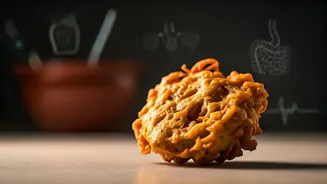
To understand the air fryer's meteoric rise in India, you have to understand the nation’s deep, cultural love for fried food. From crispy, triangular samosas and savory pakoras to golden-brown bhajis, fried snacks are an integral part of daily life, street
food culture, and festive celebrations. They are delicious, comforting, and, traditionally, laden with oil. For decades, this was an accepted trade-off. But as a new wave of health consciousness sweeps across urban India, consumers are actively seeking ways to reconcile their love for traditional flavors with modern wellness goals. The air fryer arrived as the perfect solution. It promises the impossible: the crispy, satisfying texture of deep-fried favorites with up to 80% less oil. This isn't just about cutting calories; it's about giving an entire culinary tradition a 'health halo,' allowing families to enjoy beloved dishes without the associated guilt. Marketers have seized on this, positioning the air fryer not as a novelty but as a smart, health-forward choice for the modern Indian family.
A Symbol of Urban Aspiration
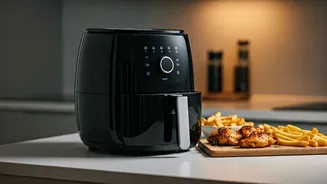
Beyond its health benefits, the air fryer is a potent status symbol for India's rapidly expanding middle and upper-middle class. In bustling cities like Mumbai, Delhi, and Bangalore, owning the latest kitchen technology is a marker of having arrived. A sleek, black air fryer sitting on a kitchen counter signals a modern, global lifestyle—one that values convenience, efficiency, and health. It’s a tangible piece of the aspirational dream sold on e-commerce platforms and in glossy magazine ads. For many households, it’s the first ‘smart’ or non-essential appliance they purchase after basics like a refrigerator or microwave. This trend is particularly strong among dual-income couples in urban centers who are short on time but keen on providing healthy, home-cooked meals for their families. The appliance neatly solves the modern dilemma of being too busy to cook elaborate meals but too health-conscious to rely solely on takeout.
Fueled by E-commerce and Festive Sales
The air fryer's journey into millions of Indian homes was supercharged by the country’s massive e-commerce boom. Platforms like Amazon and Flipkart became the primary showrooms, offering a vast selection of brands—from international giants like Philips to domestic players like Havells and Inalsa—at competitive prices. The real explosion happens during India’s massive online shopping festivals, particularly the sales surrounding Diwali. These events, comparable to Black Friday in the U.S., see deep discounts and aggressive marketing campaigns that push appliances like air fryers into the mainstream. Flash sales, celebrity endorsements, and buy-now-pay-later schemes have made the once-premium gadget accessible to a much broader audience. The pandemic further accelerated this trend, as a nationwide focus on immunity and health, combined with more time spent at home, created the perfect market conditions for a wellness-focused kitchen gadget to thrive.
More Than Just French Fries
While an American user might primarily associate their air fryer with frozen snacks, its application in the Indian kitchen is far more diverse and creative. It’s used to roast paneer tikka, give a crispy finish to kebabs, and even bake traditional sweets. One of the most popular uses is reheating leftover fried food, bringing snacks like samosas back to their original crispy glory without turning them into a soggy, microwaved mess. It's also embraced for everyday vegetable cooking, quickly roasting cauliflower or potatoes tossed in classic Indian spices like turmeric and cumin. This adaptability has been key to its success. The air fryer isn't forcing a change in what people eat; it's enabling them to cook the food they already love in a way that aligns with their new priorities.