


The Humble Lemon’s Glow-Up
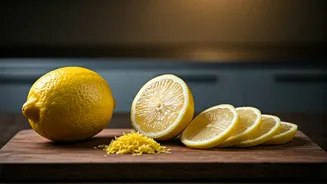
For generations, the lemon’s job in the American kitchen was simple and specific: provide juice for lemonade, a bright spritz for fish, or a bit of zest for a pound cake. The rest—the fragrant but bitter peel, the spongy white pith, the tiny seeds—was
destined for the trash or compost bin. Not anymore. In restaurants and, increasingly, in home kitchens, the lemon is being re-evaluated. It’s no longer just a two-trick pony of juice and zest; it’s being treated like a pig in a butcher shop, where every single part is valued. This isn't just about being frugal; it's a movement driven by a quest for deeper, more complex flavors and a genuine desire to curb food waste. The same fruit that garnished your iced tea is now the star ingredient in everything from complex cocktail syrups to savory marinades and even desserts, all by using the parts we used to throw away.
Unlocking the Flavor of the 'Scraps'
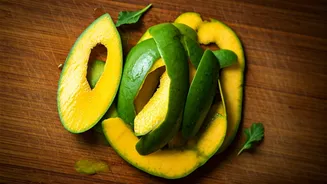
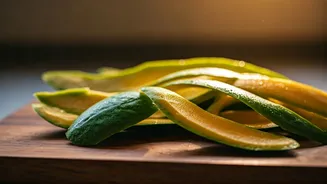
So what, exactly, are we missing by tossing the lemon carcass? A whole world of flavor. The real magic lies in the peel and pith. The spent halves, once squeezed, can be tossed into a pot with sugar and water to create a vibrant lemon syrup, perfect for drinks or drizzling over yogurt. Better yet, muddle them with sugar and let them sit for a few hours. This process, called oleo saccharum, pulls the intensely fragrant oils from the peel, creating a luscious, non-bitter syrup that will elevate any cocktail or homemade soda. The often-maligned white pith, known for its bitterness, can be transformed. When boiled in a sugar solution, it becomes tender and candied, a perfect addition to fruitcakes or as a garnish. Even the seeds have a purpose; they are packed with pectin, the natural gelling agent. Tie a handful in cheesecloth and toss them into a pot of simmering marmalade or jam to help it set without commercial additives.
Why Now? Thrift, Sustainability, and Taste
This whole-fruit philosophy didn’t appear out of thin air. It’s a confluence of several modern cultural currents. The first is the ever-growing sustainability movement. As more Americans become conscious of their environmental footprint, the idea of throwing away a perfectly usable part of an ingredient seems needlessly wasteful. Using the entire lemon is a small but tangible way to participate in a zero-waste lifestyle. Secondly, there’s the economic angle. With grocery prices on a steady incline, getting more out of every ingredient just makes good financial sense. Why buy a bottle of lemon-flavored simple syrup when you can make a superior version for free from something you were about to discard? But perhaps the biggest driver is the relentless, creative spirit of the culinary world. Chefs are always looking for new ways to surprise and delight, and they've found that using the whole lemon adds layers of complexity—a whisper of bitterness from the pith, an aromatic blast from the oils—that juice alone can’t provide. This chef-level technique has since trickled down, popularized by food blogs and social media, empowering home cooks to experiment.
Bringing It Into Your Kitchen
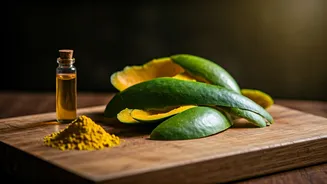
Embracing the whole lemon is easier than you think. Start simple. After you’ve squeezed a lemon, don’t throw it out. Instead, throw the halves into your water pitcher for a subtle infusion. Use a spent half to clean your cutting board and neutralize odors from garlic or onion. Once you're comfortable, graduate to making preserved lemons. This North African staple is shockingly easy: just quarter lemons, salt them generously, and pack them into a jar. In a few weeks, the peels will soften into a salty, savory, umami-rich condiment that transforms chicken, stews, and grain salads. Or try making a lemon peel powder by dehydrating the peels (in a low oven or a dehydrator) and blitzing them in a spice grinder. Sprinkle it on roasted vegetables, mix it into salt for a finishing touch, or add it to marinades for a concentrated citrus punch that lasts for months.