
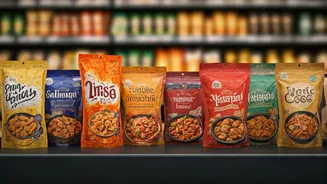


From the Cart to the Consumer Aisle
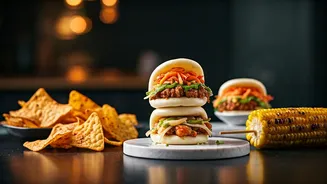
For decades, street food has been the lifeblood of American cities—hyper-local, wonderfully ephemeral, and often the domain of immigrant entrepreneurs. It was about the experience: the sizzle of the grill, the chatter of the vendor, the simple joy of a delicious
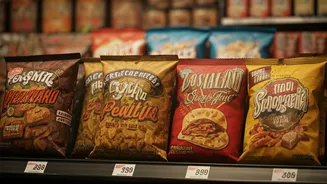
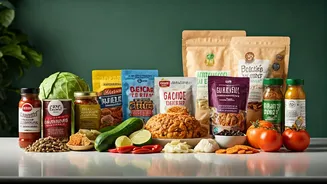
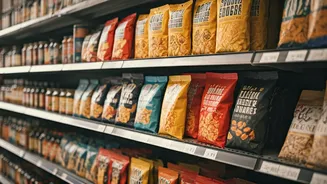
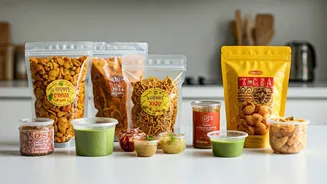
bite eaten on a busy sidewalk. But a fundamental shift is underway. The very foods that were once defined by their unbranded, on-the-spot authenticity are now being re-imagined as consumer packaged goods (CPGs). The journey from a food truck in Queens to a shelf in Whole Foods is becoming a well-trodden path. This isn't just about bottling a popular hot sauce anymore. We're seeing entire meal concepts, from Vietnamese pho starter kits to deconstructed birria, packaged for a national audience that craves global flavors but also demands convenience.
Why Now? The TikTok Effect and the Global Palate
Several forces are fueling this brand-era boom. First, the American palate has evolved. Thanks to decades of immigration and the internet, once-niche flavors are now mainstream cravings. Consumers, particularly Millennials and Gen Z, don't just tolerate global cuisine; they seek it out, prizing novelty and authenticity. Social media platforms, especially TikTok and Instagram, have become powerful launchpads. A dish like birria went from a regional Mexican specialty to a national obsession largely through viral videos of people dipping tacos into rich, red consommé. This digital exposure creates pre-built demand. Before a founder even thinks about packaging, millions of potential customers already know and want their product. This allows small-scale creators to bypass traditional marketing and connect directly with a hungry audience, proving there’s a market before they invest in scaling up.
The New Entrepreneurial Playbook
The entrepreneurs leading this charge are often first- or second-generation Americans who are deeply connected to the food they're selling. For them, it’s not just a business; it’s a way to share their culture on their own terms. Brands like Omsom, founded by Vietnamese-American sisters, provide “starters” for specific Asian dishes, doing the hard work of sourcing ingredients so customers can easily replicate restaurant-quality meals at home. Similarly, Siete Foods, a Mexican-American family-owned company, transformed the industry with grain-free tortillas and chips inspired by their heritage. The playbook involves telling a compelling personal story, leveraging slick branding that feels both modern and authentic, and building a loyal community online. They are proving that a background in street vending or a family recipe book can be just as valuable as an MBA in today's food industry.
The Authenticity Tightrope
This transition isn't without its challenges, the greatest of which is navigating the paradox of mass-produced authenticity. How do you scale a recipe that was perfected over generations for a single food cart without losing its soul? Compromises are inevitable. Ingredients may need to be shelf-stabilized, cooking processes adapted for industrial equipment, and recipes tweaked to appeal to a broader, sometimes less adventurous, palate. This is the tightrope every founder must walk. The most successful brands manage to maintain a clear connection to their origins while adapting for a wider market. They are transparent about their story and their process, inviting customers to be part of the journey. The goal isn't to perfectly replicate the street corner experience—an impossible task—but to successfully translate its spirit into a product that can be shared far and wide.