



So, What Is 'Fibermaxxing'?
At its core, “fibermaxxing” is a user-generated term for intentionally and significantly increasing your dietary fiber intake. Think of it as the opposite of a restrictive diet; instead of cutting things out, the goal is to add as much fiber as possible.
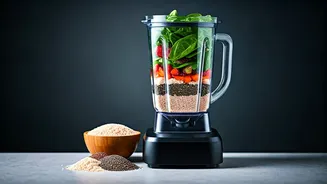
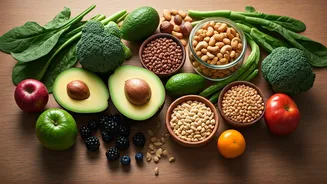
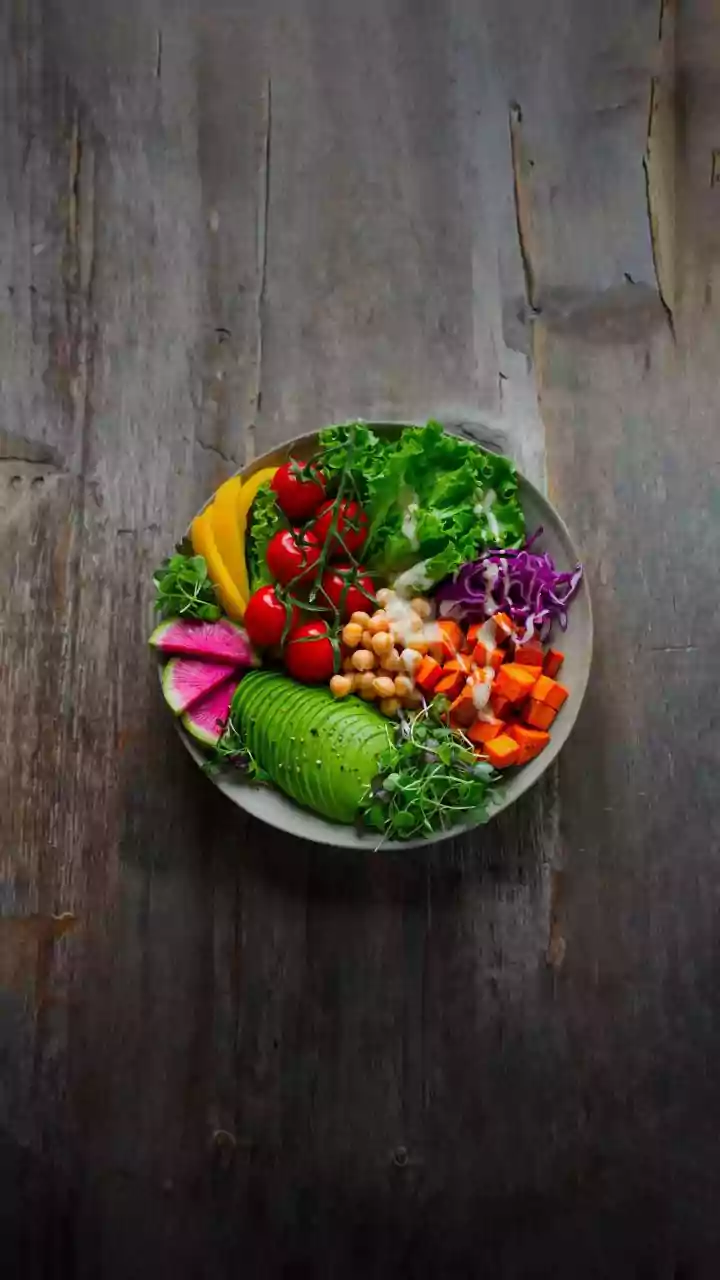
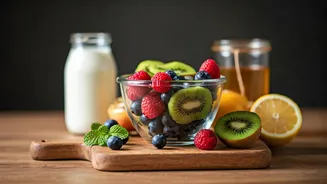
The trend gained traction on platforms like TikTok, where users share their high-fiber meals—giant salads, bowls of oats loaded with seeds, and smoothies packed with greens—touting benefits from improved digestion and clearer skin to better energy levels. While the name is new and a bit extreme, the principle it’s built on is anything but. Health experts have been championing the benefits of fiber for decades. “Fibermaxxing” just gave it a catchy, 21st-century rebrand.
The Science Behind the 'Glow Up'
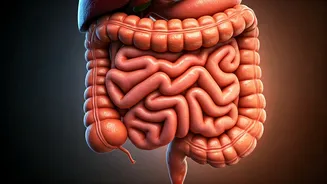
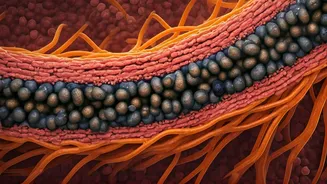
The “glow up” promise isn’t just marketing. It’s rooted in the gut-skin axis, a well-documented communication pathway between your digestive system and your largest organ. Dietary fiber is a prebiotic, meaning it’s the preferred food for the beneficial bacteria in your gut microbiome. When these good microbes are well-fed, they thrive, producing compounds that reduce inflammation throughout the body. Lower inflammation can translate to calmer, clearer skin with fewer breakouts and less redness. Beyond the skin, a high-fiber diet supports stable blood sugar, which prevents energy crashes and mood swings. It also promotes regularity, helping your body efficiently remove waste and toxins. In short, a happy gut often leads to a happier, more radiant you.
Not All Fiber Is Created Equal
Before you start chugging psyllium husk, it’s crucial to understand that there are two main types of fiber, and you need both. Think of them as a team working together.
Soluble fiber dissolves in water to form a gel-like substance. It’s found in foods like oats, apples, beans, carrots, and citrus fruits. Its main jobs are to help lower cholesterol and stabilize blood sugar levels, keeping you feeling full and energized.
Insoluble fiber does not dissolve in water. It adds bulk to stool and helps food pass more quickly through the digestive system. You’ll find it in whole-wheat flour, nuts, cauliflower, and green beans. This is the type that is key for preventing constipation and maintaining regularity.
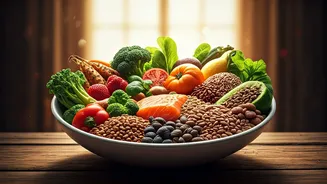
A successful “fibermaxxing” journey includes a diverse range of plant foods to ensure you’re getting a healthy mix of both types.
A Beginner's Guide to Upping Your Intake
Jumping into a super-high-fiber diet overnight is a recipe for discomfort. The key is to make small, sustainable changes. Most adults should aim for 25 to 35 grams of fiber per day, but the average American only gets about 15 grams. Here are some easy ways to start closing that gap:
- Swap your cereal: Trade a sugary breakfast cereal for a bowl of oatmeal topped with berries and chia seeds.
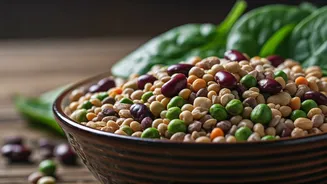
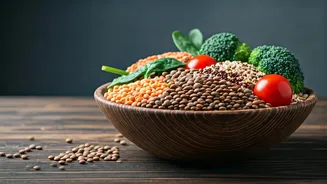
- Add a handful: Toss a handful of spinach into your smoothie, add lentils to your soup, or sprinkle flax seeds over your yogurt.
- Go for whole grains: Choose whole-wheat bread and pasta over white, and opt for brown rice or quinoa instead of white rice.
- Snack smarter: Instead of chips, reach for an apple, a pear, a small bowl of edamame, or a handful of almonds.
- Don't peel: The skins of many fruits and vegetables, like potatoes and apples, are packed with fiber.
The Cardinal Rule: Go Slow and Hydrate
This is the most important piece of advice: do not go from 15 grams of fiber a day to 40 overnight. Your digestive system needs time to adapt to an increased load. Ramping up too quickly can lead to the exact opposite of your desired outcome: uncomfortable bloating, gas, cramping, and even constipation. Increase your intake by about 5 grams every few days and see how your body feels. At the same time, you must increase your water intake. Fiber works by absorbing water, so if you’re not drinking enough, it can have a cementing effect. Aim to drink an extra glass or two of water for every major fiber addition you make to your diet.