



Why Storms Threaten Your Tap
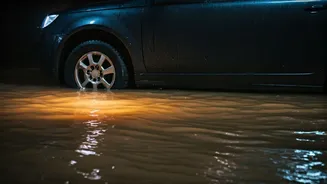
We tend to take the water flowing from our faucets for granted. But severe weather events, whether it’s a hurricane on the Gulf Coast or historic flooding in the Midwest, can quickly compromise this essential resource. The primary threat is contamination.
Floodwaters are a toxic soup of everything they sweep over: agricultural runoff, industrial chemicals, sewage from overwhelmed treatment systems, and bacteria from animal waste. These contaminants can infiltrate municipal water systems through broken pipes or overwhelm water treatment plants that weren't designed to handle that volume of polluted water. For homes with private wells, the risk is even more direct. A flooded wellhead can allow surface contaminants to seep straight into your family’s drinking supply. The result is that the water coming from your tap could contain dangerous pathogens like E. coli, Giardia, or Cryptosporidium, which can cause severe gastrointestinal illness.
The Pre-Storm Water Game Plan
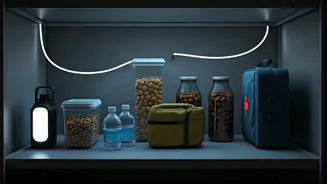
Preparedness is your single best defense. The time to think about your water supply is before the storm hits, not when the power is out and the streets are flooded. The Centers for Disease Control and Prevention (CDC) and FEMA recommend storing at least one gallon of water per person, per day, for a minimum of three days. A family of four should have at least 12 gallons stored. Commercially bottled water is the safest and most reliable option. If you’re preparing your own containers, use food-grade water storage jugs. Thoroughly clean and sanitize them with a solution of one teaspoon of unscented liquid household chlorine bleach per quart of water, then rinse completely before filling with tap water. Don't forget your pets; they need about a gallon of water for three days as well. This stored water isn't just for drinking—it’s for sanitation, hygiene, and any cooking needs you might have if utilities are down.
Heeding the Official Warnings
During and after a major weather event, stay tuned to local authorities. They will issue alerts if the public water supply is compromised. The two most common advisories are a “boil water advisory” and a “do not drink advisory.” A boil water advisory means your water may be contaminated with germs and should be brought to a rolling boil for at least one minute (or three minutes at elevations above 6,500 feet) before it is used for drinking, cooking, or brushing teeth. A “do not drink” advisory is more serious; it means the water contains chemical contaminants that cannot be removed by boiling. In this case, you must use an alternative source like your stored bottled water for everything, including bathing, as some chemicals can be absorbed through the skin. Don’t assume your water is safe just because it looks clear. Many dangerous contaminants are invisible.
Your At-Home Purification Toolkit
If you run out of stored water and an advisory is in effect, you’ll need to purify the water you have. Boiling is the most effective method for killing bacteria, viruses, and parasites. If you can’t boil water, disinfection is your next best bet. Using unscented household bleach (with an active ingredient of 5-9% sodium hypochlorite) is a reliable method. The CDC recommends adding 8 drops (about 1/8 teaspoon) of bleach per gallon of clear water. Stir and let it stand for at least 30 minutes before use. The water should have a slight chlorine smell. If you can’t smell it, repeat the dose and let it stand for another 15 minutes. For cloudy water, use 16 drops per gallon. Another option is a portable water filter designed to remove parasites like Giardia and Cryptosporidium. Look for filters with a pore size of 1 micron or smaller, or those certified by NSF International. These methods can make questionable water safe to drink when you have no other choice.