
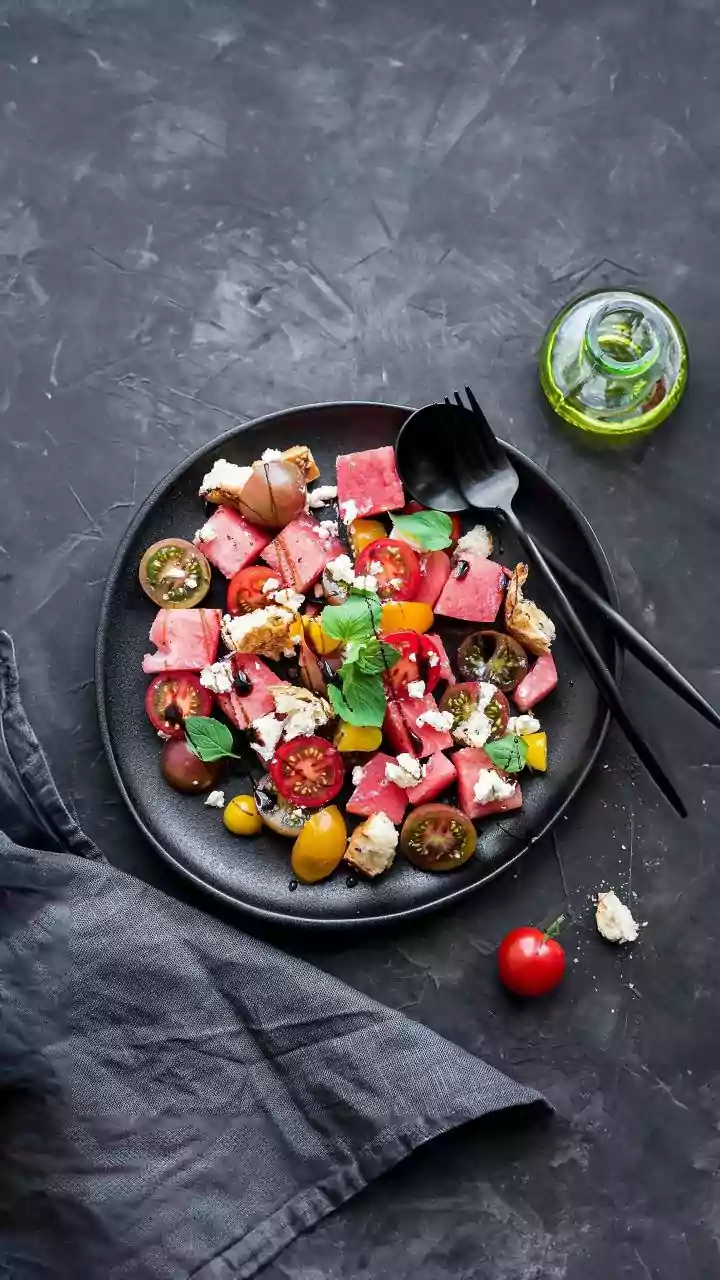
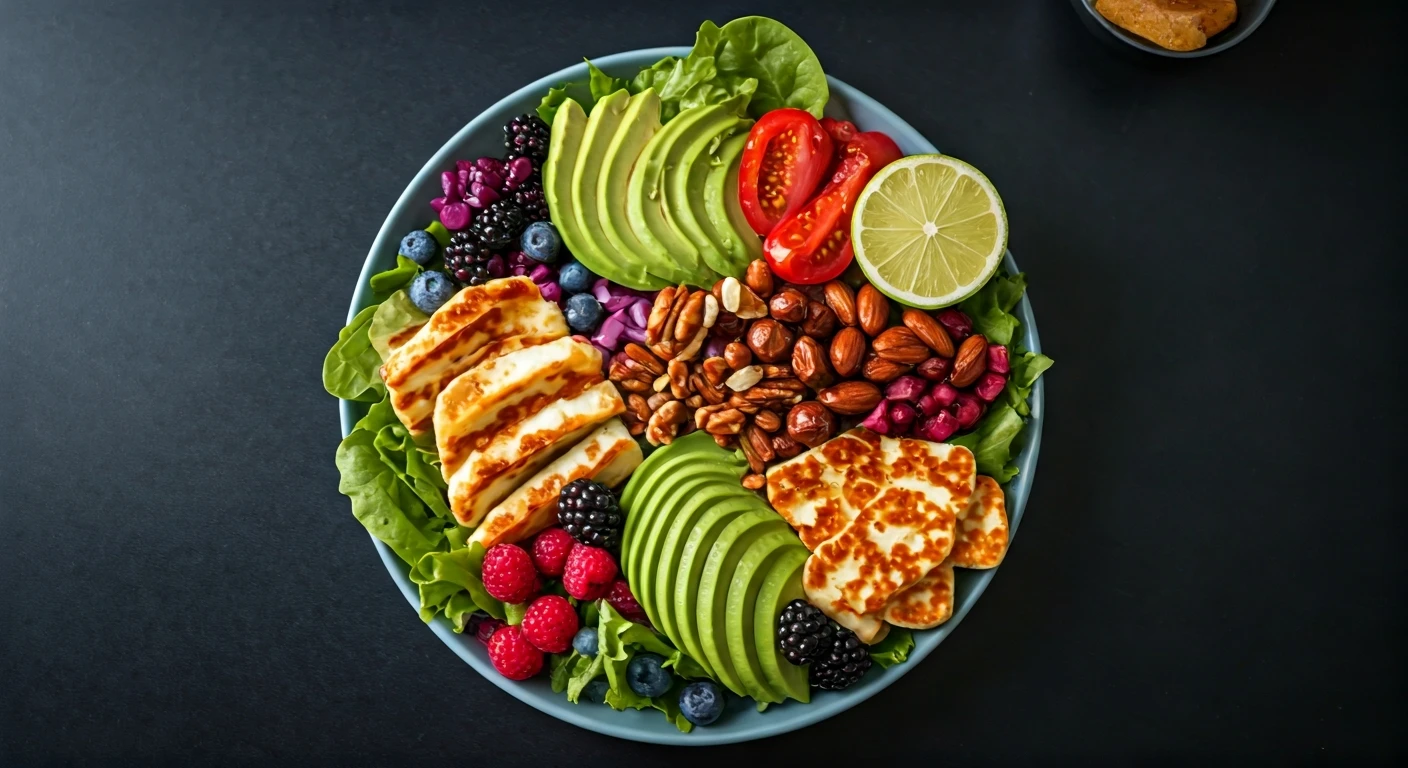
The Golden Age of Complicated Cooking
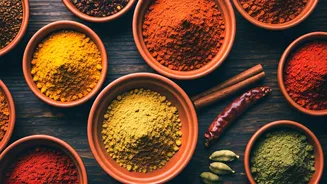
Remember the 2010s? It was the era of the 'foodie,' when every meal was a potential Instagram post and cooking was a competitive sport. The pressure was on to master sourdough from scratch, source obscure, single-origin spices, and perfect a multi-day
cassoulet. This was 'kitchen drama'—the self-imposed expectation that a home-cooked meal had to be a show-stopping performance. Recipes called for specialty equipment you’d use once, techniques learned from a Michelin-starred chef’s YouTube channel, and a grocery list that was both a scavenger hunt and a threat to your bank account. While the results were sometimes glorious, the process was often a source of stress, not joy. We were told that more effort equaled more love, but many of us were just left with a sink full of dishes and a lingering sense of inadequacy.
Enter the Burnout Bake-Off
The pendulum has swung back, hard. The primary driver is a familiar one: burnout. After the intense period of pandemic-era 'project cooking,' many Americans find themselves with less time and, more importantly, less psychic energy. The return to commutes, office life, and packed schedules means the luxury of a three-hour cooking session on a Tuesday has evaporated. We're tired. The desire for novelty and challenge has been replaced by a deep craving for reliability and ease. A recipe that promises '30 minutes, one pan' is no longer seen as a compromise but as a victory. It’s a recognition that feeding yourself and your family is a daily necessity, and optimizing it for sanity is the new culinary goal. The most valuable ingredient today isn't saffron or truffle oil; it’s an extra 45 minutes of peace in the evening.
Inflation on the Ingredient List
Alongside our dwindling energy reserves, our wallets are also feeling the pinch. Sky-high grocery prices have fundamentally changed how we approach cooking. When a carton of eggs feels like a luxury purchase, the appetite for culinary risk plummets. Why spend $15 on a bottle of pomegranate molasses for a single, untested recipe when you could use that money for a bag of potatoes, a carton of milk, and a dozen other staples? Economic uncertainty encourages conservative behavior, and that extends to the kitchen. Recipe searches reflect a demand for flexibility and frugality. We're looking for meals built on pantry staples, recipes that welcome substitutions, and dishes that can be scaled up for leftovers to save money later in the week. The 'no-drama' kitchen is an economically savvy one, where every ingredient is expected to pull its weight.
The New Era of 'Good Enough' Cooking
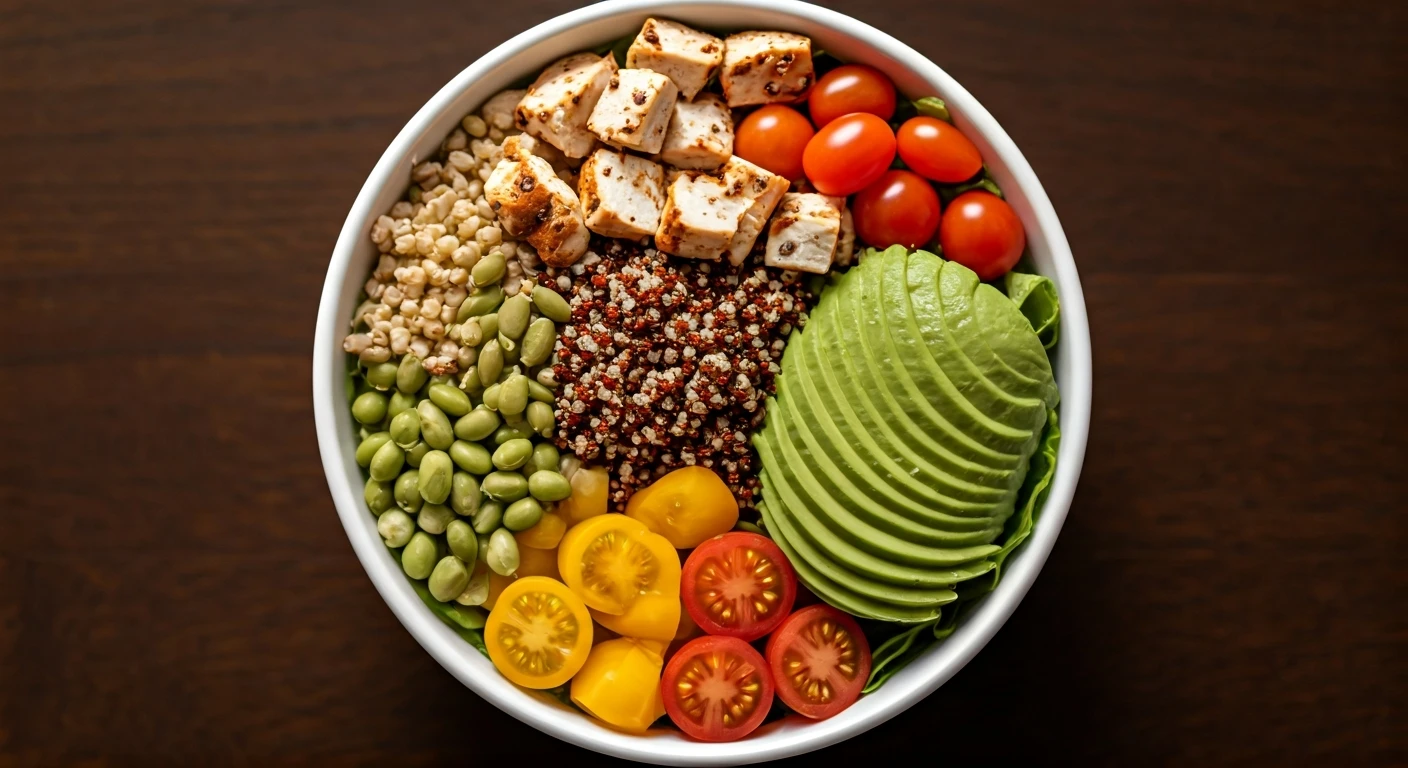
This collective pivot has ushered in a new golden age of simplicity. The heroes of the modern recipe box are sheet-pan dinners, 'dump-and-bake' casseroles, and endlessly adaptable grain bowls. Social media, once the home of performative cooking, now champions trends like the 'girl dinner'—a low-effort, snack-based meal—and celebrates creators who make delicious food with minimal fuss. This isn't about being lazy; it's about being ruthlessly efficient. It's an embrace of 'good enough' in a culture that has long demanded perfection. A successful meal is no longer defined by its complexity or photo-readiness, but by its ability to nourish, comfort, and be on the table before everyone gets hangry. It’s about finding joy not in the struggle, but in the simple, repeatable act of making something good to eat.