



The Science of Dampness and Digestion
The word “monsoon” might conjure images of distant tropical climates, but the principle applies to any prolonged period of damp, humid weather—think of a soggy spring in the Pacific Northwest or a sticky, rain-soaked summer on the East Coast. This kind
of weather creates a perfect breeding ground for bacteria, molds, and other microbes. Food left on the counter spoils faster. Produce can develop unseen contaminants. Simply put, the risk of foodborne illness increases when the air is thick with moisture. Beyond the kitchen counter, this dampness can feel like it seeps into our very bones, making us feel sluggish and heavy. Traditional wellness systems like Ayurveda have long observed this phenomenon, referring to a dampened “digestive fire” (or *agni*) during the rainy season. In modern terms, you can think of this as a general slowdown. Your body might feel more lethargic, and your digestive system may not be operating at peak efficiency. This isn’t just folklore; it’s an intuitive understanding that our environment affects our internal systems.
Why Warm and Cooked Wins
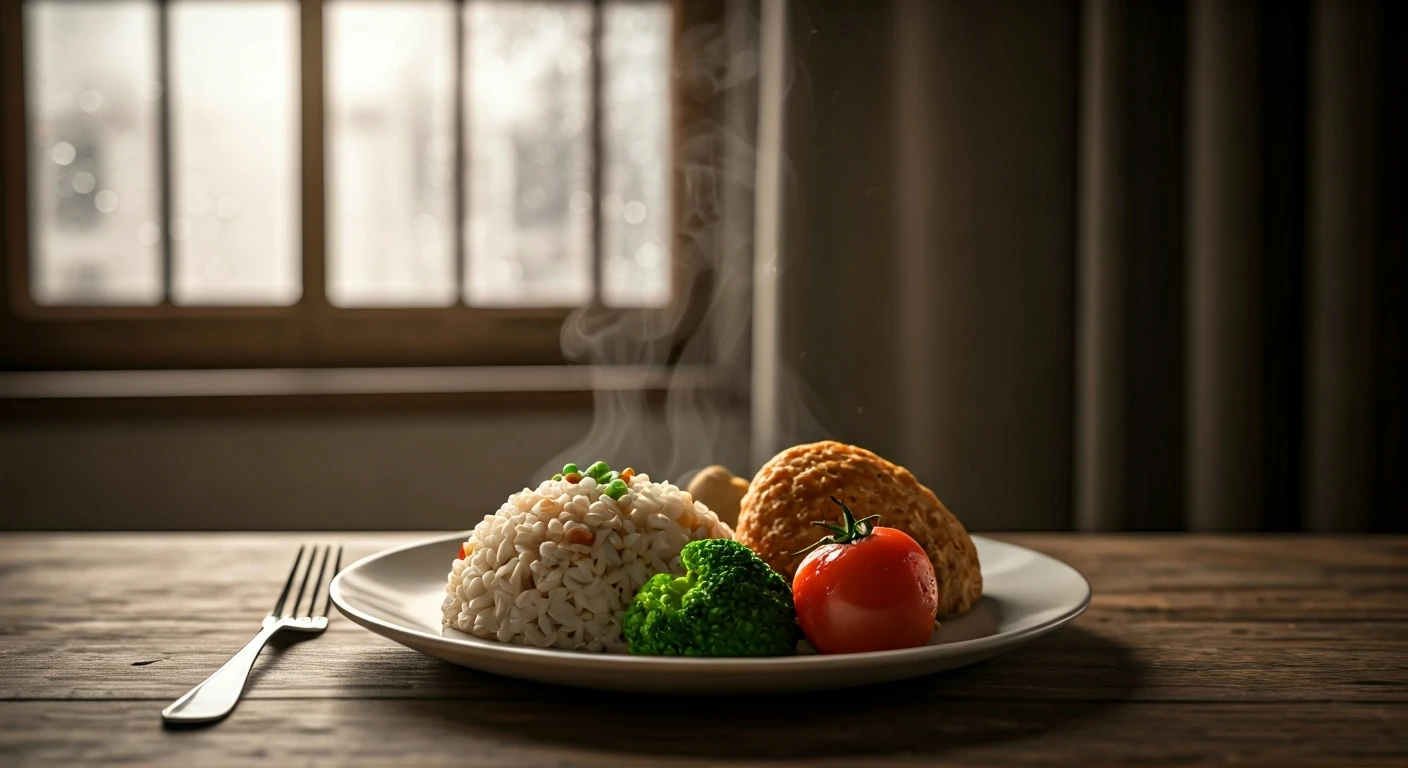
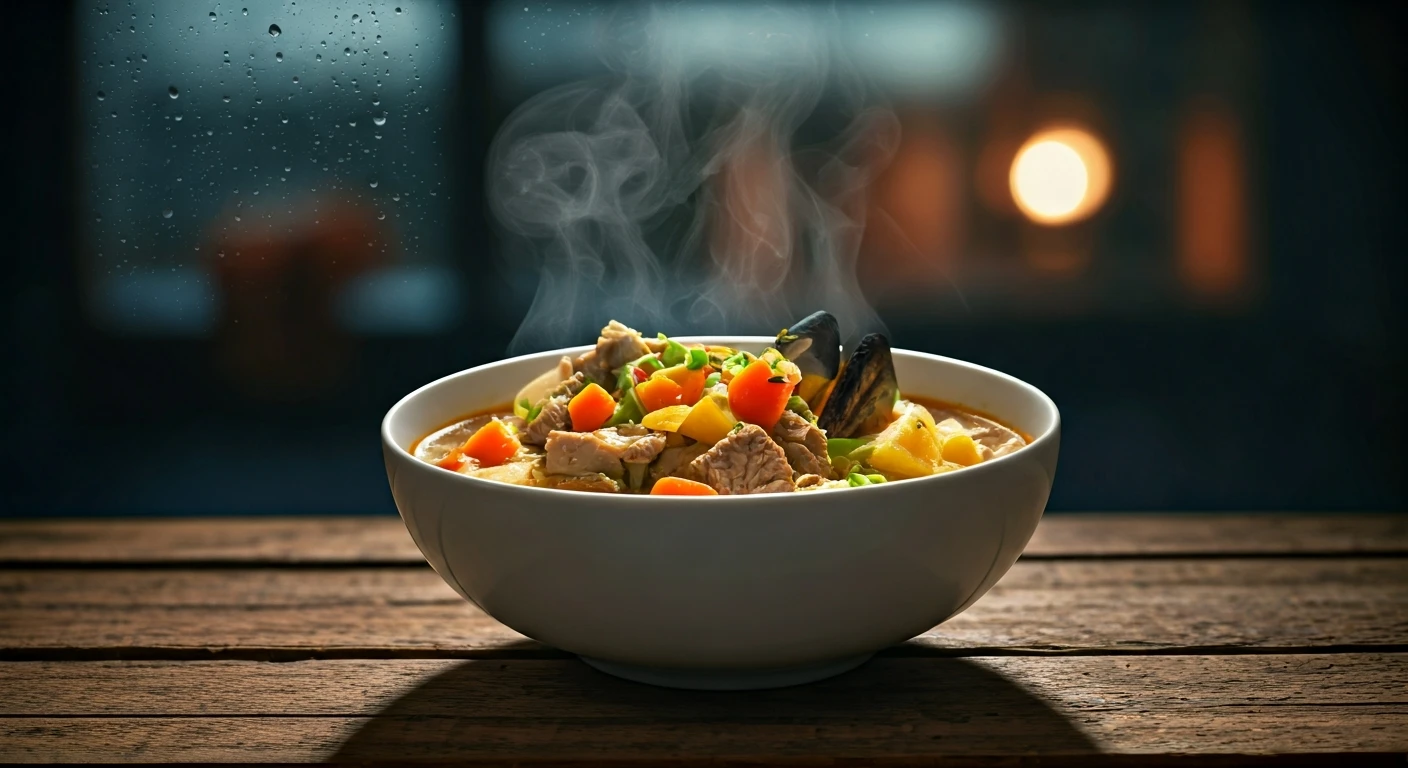
This is where warm, cooked food becomes your quiet superpower. The most obvious benefit is food safety. Applying heat is humanity’s oldest and most effective method of sterilization. Cooking kills off the vast majority of harmful bacteria, viruses, and parasites that might be thriving in a humid environment. A crisp, raw salad is wonderful on a hot, dry day, but during a downpour, a bowl of roasted vegetables or a hearty stew offers an extra layer of protection because the ingredients have been thoroughly heated.
Furthermore, cooked food is simply easier to digest. The process of cooking begins to break down cell walls in vegetables and tough fibers in grains and legumes. This pre-digestion means your body expends less energy breaking down the meal, freeing up that energy to be used elsewhere. For a system that’s already feeling sluggish from the weather, serving it an easy-to-process meal is a profound act of kindness. Warm liquids, like soups and herbal teas, are particularly gentle, hydrating the body while providing nutrients in a form that’s effortlessly absorbed.
Your Cozy, Rainy-Day Menu
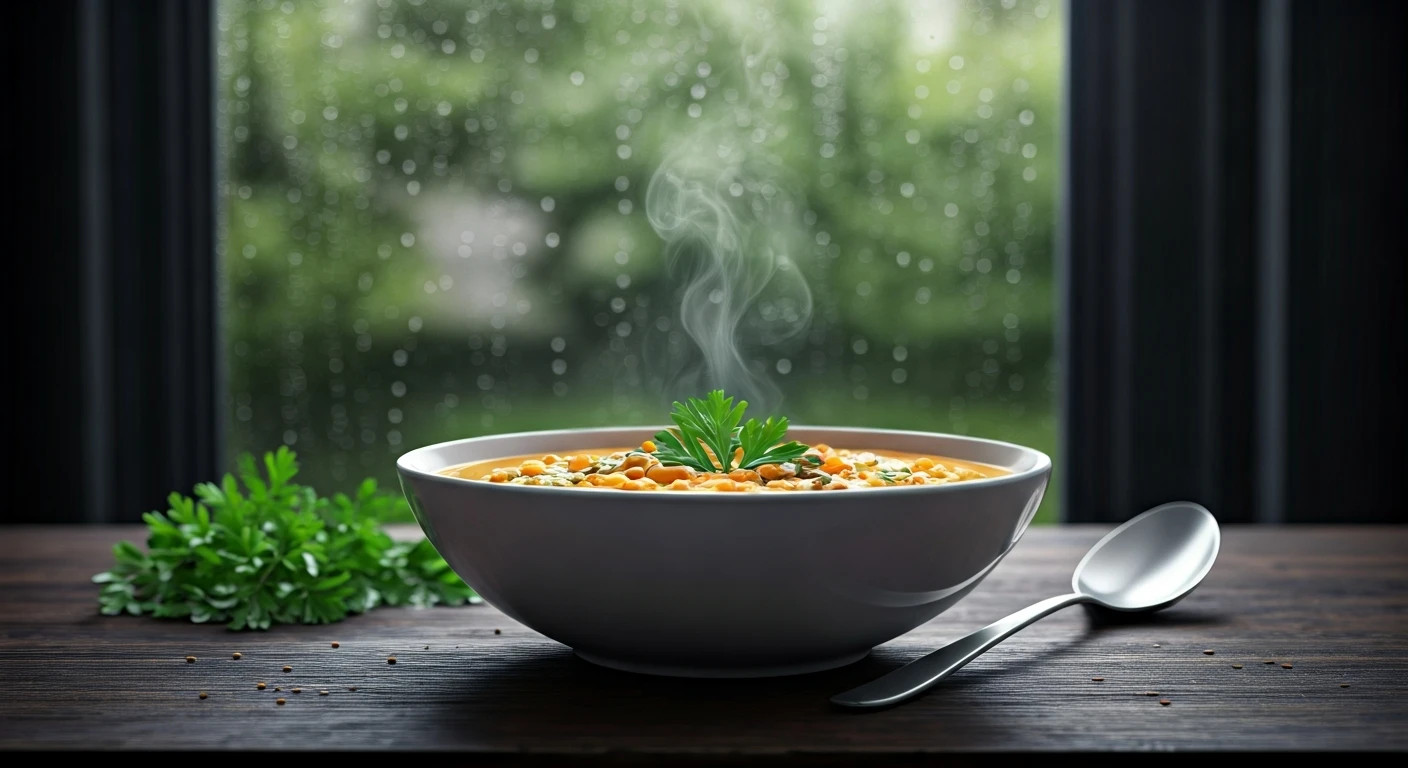
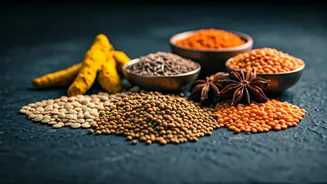
Embracing a warm-food philosophy doesn’t mean a boring diet. It’s an invitation to explore comforting, nourishing meals. Think of a simple, fragrant lentil soup (dal), seasoned with digestive-friendly spices like turmeric, cumin, and ginger. Instead of a cold sandwich, try a grilled cheese with a side of hot tomato soup. Rather than a bowl of cold cereal, opt for warm oatmeal or quinoa porridge topped with stewed fruit.
Spices are key players here. Ginger, black pepper, and cinnamon are considered “warming” spices that can help stimulate digestion and provide a gentle metabolic boost. A cup of fresh ginger tea with a squeeze of lemon can be a perfect start to a rainy morning or a soothing end to the day. Roasting vegetables like sweet potatoes, carrots, and broccoli not only makes them safer and easier to digest but also caramelizes their natural sugars, making them deeply delicious. It’s about building a menu that feels like a warm hug from the inside out.
What to Sidestep Until the Sun Returns
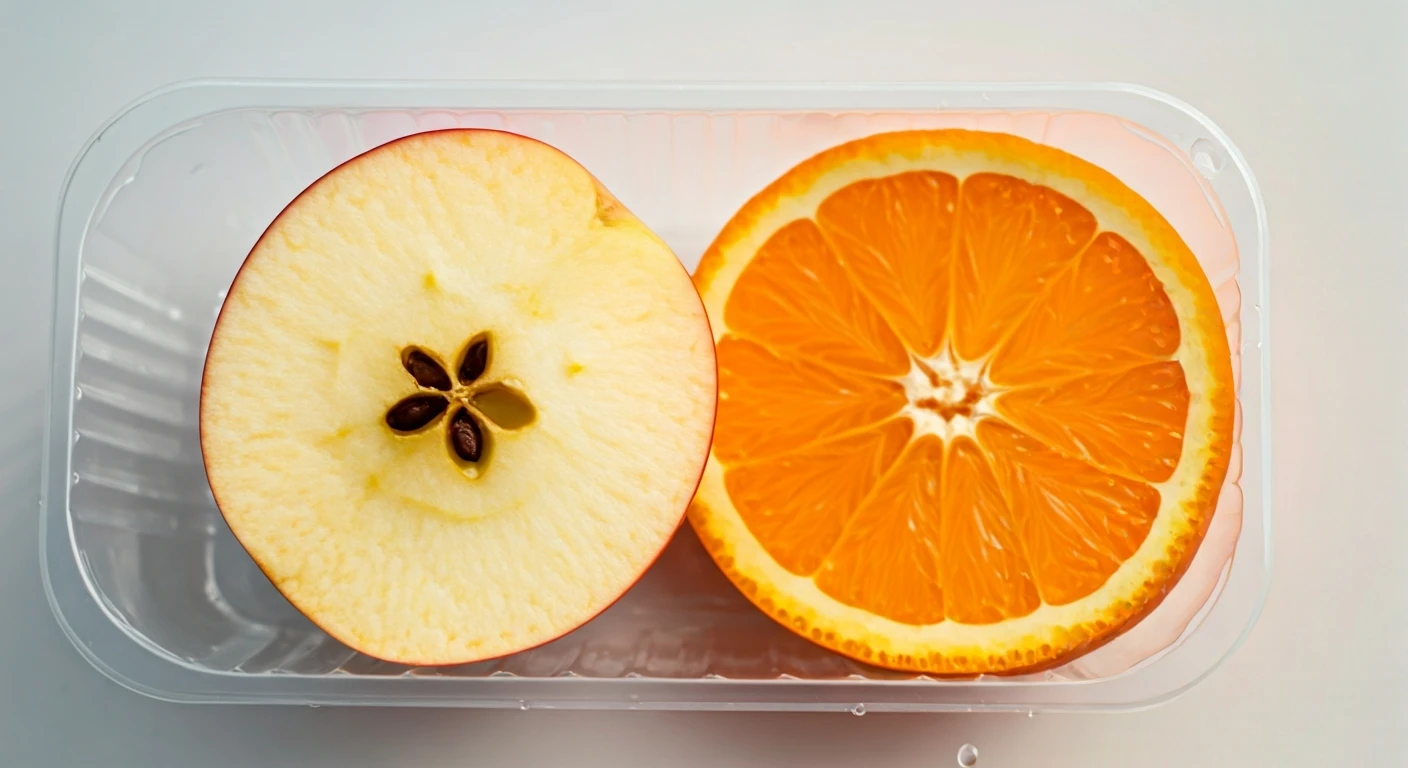
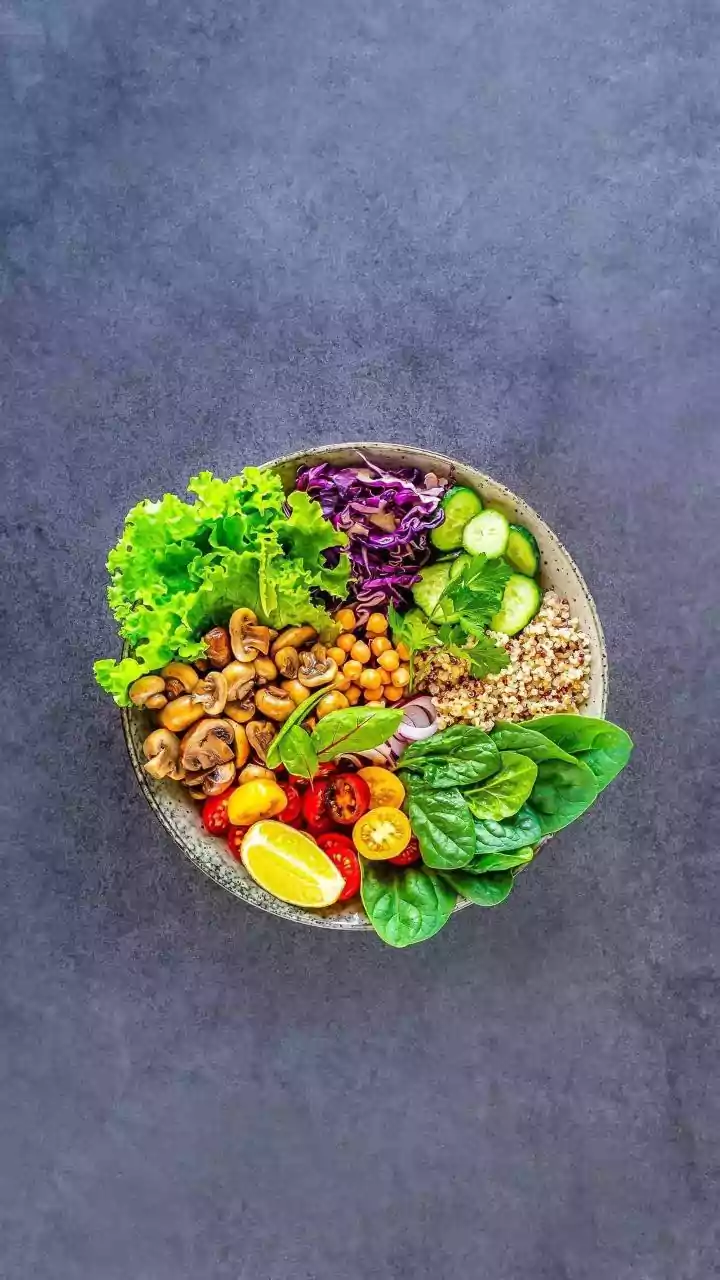
This isn't about rigid rules, but gentle swaps. During particularly damp spells, it’s wise to be more cautious with foods that carry a higher risk or demand more digestive effort. This includes raw or undercooked items, like sushi, fresh oysters, and large, elaborate salads with many uncooked components. Pre-cut fruits and vegetables from the grocery store, while convenient, have more surface area exposed to potential contaminants and are best avoided or cooked.
It might also be a good time to moderate your intake of heavy, cold dairy products like ice cream or rich, yogurt-based smoothies, which can feel taxing on a sluggish digestive system. The goal isn’t deprivation; it's about tuning into your environment and giving your body what it needs most. Once the sun is out and the air is dry, that crisp salad will taste even better.