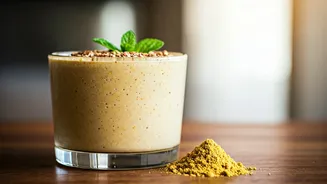





First Off, What Is Sattu?
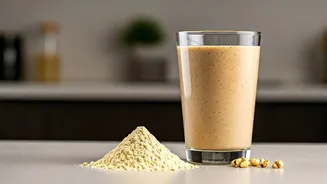
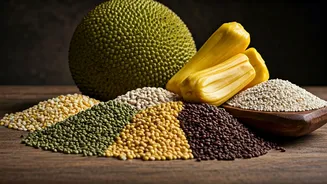
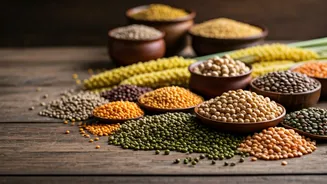
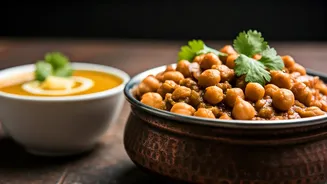
Before you can crown it, you have to know what it is. Sattu is a flour-like powder that’s a staple in parts of India, particularly in the states of Bihar, Jharkhand, and Uttar Pradesh. But this isn't your average all-purpose flour. It’s made from roasted
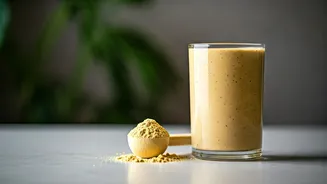
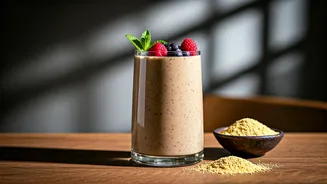
grams (typically black chickpeas, or kala chana), which are then ground into a fine powder. This roasting process is key; it gives Sattu a uniquely nutty, earthy flavor and makes it ready to eat without any cooking. Traditionally, Sattu is peasant food in the best sense of the word—a humble, affordable, and incredibly nourishing ingredient. It’s been the secret weapon of farmers and laborers for generations, often mixed with water, a pinch of salt, and a squeeze of lemon to create a simple, hydrating, and energy-boosting drink that could fuel a long day of work under the hot sun. Think of it as the original, all-natural protein shake, long before the term even existed.
The Underrated Superfood
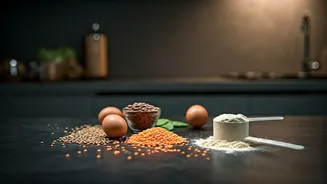
The reason Sattu is making the leap from rustic staple to modern wellness star is simple: its nutritional profile is off the charts. For starters, it’s packed with plant-based protein and is high in insoluble fiber, which is great for digestion and keeping you feeling full for hours. This combination helps prevent the blood sugar spikes and crashes associated with many carb-heavy breakfast options.
But that’s not all. Sattu has a low glycemic index, making it an excellent choice for sustained energy release. It’s also rich in essential minerals like iron, manganese, and magnesium, and it’s naturally gluten-free (when made from pure roasted grams). In Ayurvedic tradition, Sattu is known for its cooling properties, making it a popular choice in India’s sweltering summers to help regulate body temperature. It’s the kind of whole-food nutrition that modern wellness trends are constantly trying to replicate in a lab.
From Humble Drink to Smoothie Bowl
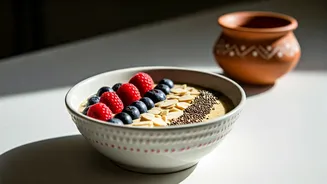
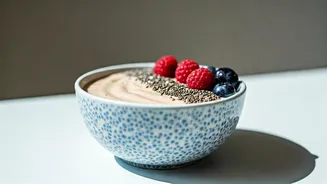
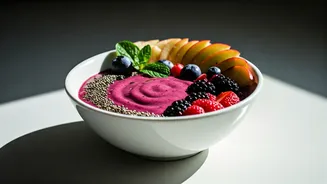
So how did this ancient powder find its way into a trendy smoothie bowl, complete with artfully arranged fruit and seeds? It’s a perfect fusion of tradition and modern convenience. The smoothie bowl trend, with its focus on nutrient-dense, visually appealing meals, provided the perfect canvas for Sattu’s reinvention.
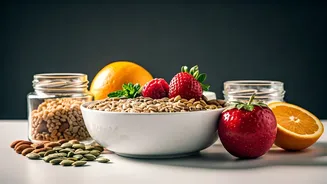
While the traditional Sattu drink is savory, the powder’s mild, nutty taste is incredibly versatile. When blended with yogurt or a plant-based milk, a banana for sweetness, and a dash of cardamom or cinnamon, it transforms into a thick, creamy, and satisfying smoothie base. It provides the protein and texture that often requires expensive protein powders, but with the added benefits of fiber and micronutrients. Topping it with fresh berries, nuts, and a drizzle of honey elevates it from a functional drink to a delightful, Instagram-worthy meal.
So, Is It Really the 'King'?
To call anything the “king” of Indian breakfasts is a bold claim in a country with a culinary diversity so vast it’s almost impossible to comprehend. From savory dosas and idlis in the south to stuffed parathas in the north, the competition is fierce. However, if the throne is for the breakfast that best meets the demands of the modern, health-conscious, time-crunched individual, the Sattu smoothie bowl makes a powerful case for the crown.
It combines the best of both worlds: the ancient, time-tested wisdom of a traditional Indian superfood with the convenience and aesthetic appeal of a contemporary wellness trend. It’s fast, requires no cooking, delivers a complete nutritional package, and keeps you energized all morning. While it may not replace the beloved traditional breakfasts of India, for a growing number of people looking for a healthy and satisfying start to their day, the Sattu smoothie bowl isn't just a contender—it’s already ruling their morning routine.