







More Than Just a Green Roof
When you hear “wellness design,” you might think of a yoga studio or a new coat of calming, neutral paint. But in the context of India’s rapidly expanding urban centers, it’s a far more profound concept. This isn't just about adding a few potted plants
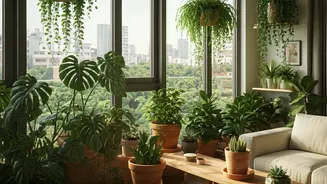
to an office lobby. Wellness-driven design is a holistic philosophy that puts human health—physical, mental, and social—at the absolute center of architectural and urban planning. Think buildings oriented to maximize natural light and airflow, integrated air and water purification systems to combat pollution, and layouts that actively encourage walking and social interaction. The goal is to create environments that don't just shelter people, but actively contribute to their well-being. This includes biophilic design, which incorporates natural elements like wood, stone, and interior gardens to reduce stress, as well as acoustical engineering to minimize the noise pollution that is a constant in cities like Mumbai and Delhi.
An Antidote to Urban Stress
So, why is this movement gaining so much traction now? It’s largely a reaction to the intense pressures of modern Indian urban life. For decades, the country’s development has been a sprint, prioritizing speed and function over all else. The result is cities with some of the worst air quality and most congested traffic on the planet. The daily grind of long commutes, constant noise, and a lack of accessible green space has taken a significant toll on residents' health. The COVID-19 pandemic acted as a massive accelerator. Confined to their homes, millions of Indians became acutely aware of how their immediate environment impacted their health and sanity. The demand shifted. A home was no longer just a place to sleep; it needed to be a sanctuary, an office, and a gym. This public awakening created a powerful market incentive for real estate developers and a new mandate for city planners: build spaces that nurture, rather than just contain.
Old Roots, New Applications
While it might seem like a trendy Western import, the core principles of wellness design have deep roots in Indian culture. The ancient architectural doctrine of Vastu Shastra, for example, is a comprehensive guide to designing spaces in harmony with nature, dictating everything from building orientation to material selection to promote positive energy and well-being. For centuries, these principles have guided the construction of homes and temples. Today’s movement is a synthesis of this ancient wisdom and modern science. Architects are blending Vastu’s emphasis on natural elements and spatial harmony with data-driven wellness technologies and certifications like WELL and LEED. It’s less about a wholesale adoption of global trends and more about adapting them through a local, cultural lens. This fusion gives the movement an authenticity and resonance it might otherwise lack, framing it not as a departure from tradition but as a return to it in a modern form.
From Luxury Condos to Public Spaces
The most visible examples of this trend are emerging in the high-end residential and commercial sectors. New luxury apartment complexes in Bengaluru and Gurgaon are marketed with features like oxygen-infused clubhouses, reflexology paths, and organic gardens. Corporate campuses are being designed to feel more like resorts, with water features, dense greenery, and spaces for meditation to attract and retain top talent. But the shift isn't exclusively for the wealthy. Urban planners are beginning to integrate these ideas into public projects. There’s a growing push for creating “15-minute cities,” where residents can access all essential amenities within a short walk or bike ride, reducing reliance on cars and fostering community. Initiatives to reclaim and rejuvenate public parks, create pedestrian-friendly zones, and clean up polluted waterways are all part of this larger turn toward making cities more livable for everyone. The challenge, of course, is scaling these ideas to serve a population of over 1.4 billion people, but the conversation has fundamentally changed.