




A Valley Veiled in Serenity
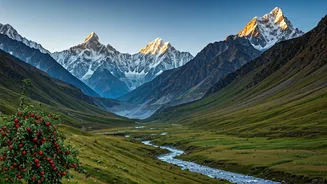
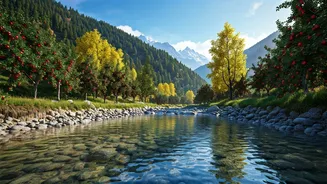
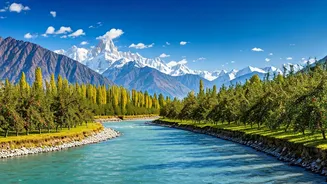
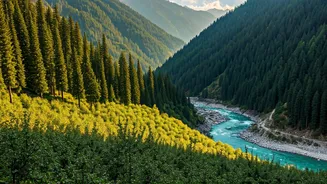
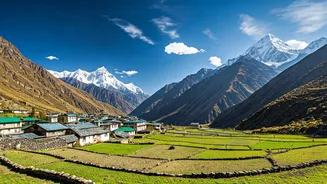
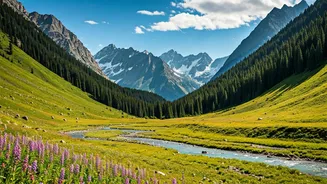
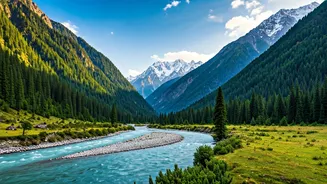
Tucked away in the Uttarkashi district of Uttarakhand, often called the “Land of the Gods,” Harsil is the kind of place that feels like a well-kept secret. Situated on the banks of the rushing Bhagirathi River, this small village sits at an altitude of over
8,500 feet, cradled by dense deodar forests and dramatic, pine-studded slopes. Unlike India’s more frantic and famous hill stations, Harsil trades bustling market streets for a profound sense of tranquility. The soundtrack here isn’t the honking of horns but the murmur of the river and the rustle of leaves. It serves as a gateway to the Gangotri National Park and the sacred Gangotri Temple, a major Hindu pilgrimage site, yet it has managed to retain its quiet, untouched character. For travelers weary of commercialized destinations, Harsil offers an authentic glimpse into life in the high Himalayas, where nature still dictates the pace of the day.
The American Who Planted Apples
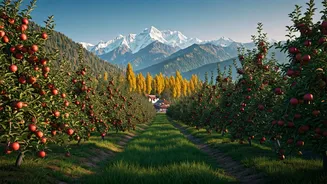
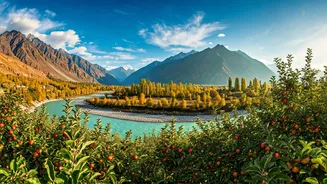
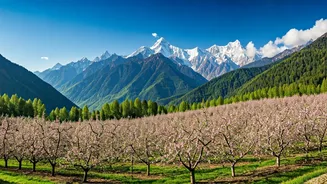
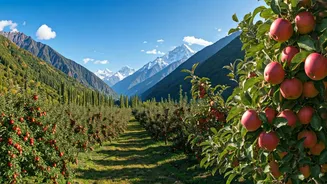
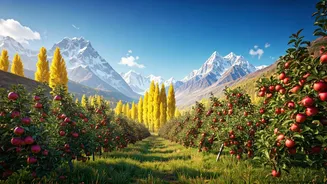
You can’t talk about Harsil without talking about apples. The valley is blanketed in orchards, producing some of the most delicious and sought-after apples in the country. But this legacy has a surprising American connection. In the mid-19th century, an army deserter from the U.S. named Frederick E. Wilson, nicknamed “Pahari Wilson” (Wilson of the Hills), settled in Harsil. He is credited with introducing commercial apple cultivation to the region. The crisp mountain air and fertile soil proved to be a perfect match, and his 'Wilson Apple' variety transformed the local economy. Today, a stroll through Harsil during the harvest season (typically August to September) is a sensory delight. The air is thick with the sweet fragrance of ripening fruit, and the trees are heavy with crimson and green jewels. This unexpected slice of Americana adds a fascinating historical layer to the village’s natural charm, connecting a remote Himalayan valley to the adventurous spirit of a lone American pioneer.
A Theater of Snowy Peaks
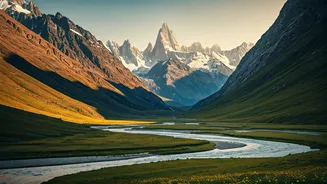
While the orchards define the valley floor, it’s the colossal peaks surrounding Harsil that command the sky. The village offers breathtaking, panoramic views of the Garhwal Himalayas. On a clear day, the snow-dusted summits seem close enough to touch, creating a majestic backdrop that changes color with the passing of the sun. In autumn, the vibrant foliage of the apple trees creates a stunning contrast against the stark white of the distant mountains. Come winter, Harsil transforms into a snowy wonderland. A thick blanket of white covers the entire landscape, silencing the world and turning the village into a pristine, magical retreat. For photographers and nature lovers, this is heaven. The views provide a constant, humbling reminder of nature's scale and power, making every moment spent looking out a window or walking along the river an experience in itself.
More Than Just a View
Harsil’s appeal extends beyond its scenic beauty. The village is a hub for trekkers looking to explore the surrounding trails, which range from gentle riverside walks to more challenging multi-day excursions. A short drive away lies the village of Mukhba, the winter home of the idol of the goddess Ganga when the Gangotri temple closes. The local culture is a unique blend of Garhwali and Tibetan influences, reflected in the architecture and the warm, welcoming nature of the villagers. Life here is simple and deeply connected to the seasons. Visiting Harsil isn't just about seeing a beautiful place; it's about experiencing a different rhythm of life. It’s a chance to disconnect from the digital world and reconnect with something more fundamental: the earth, the sky, and the quiet space in between.