


From Itineraries to Instincts
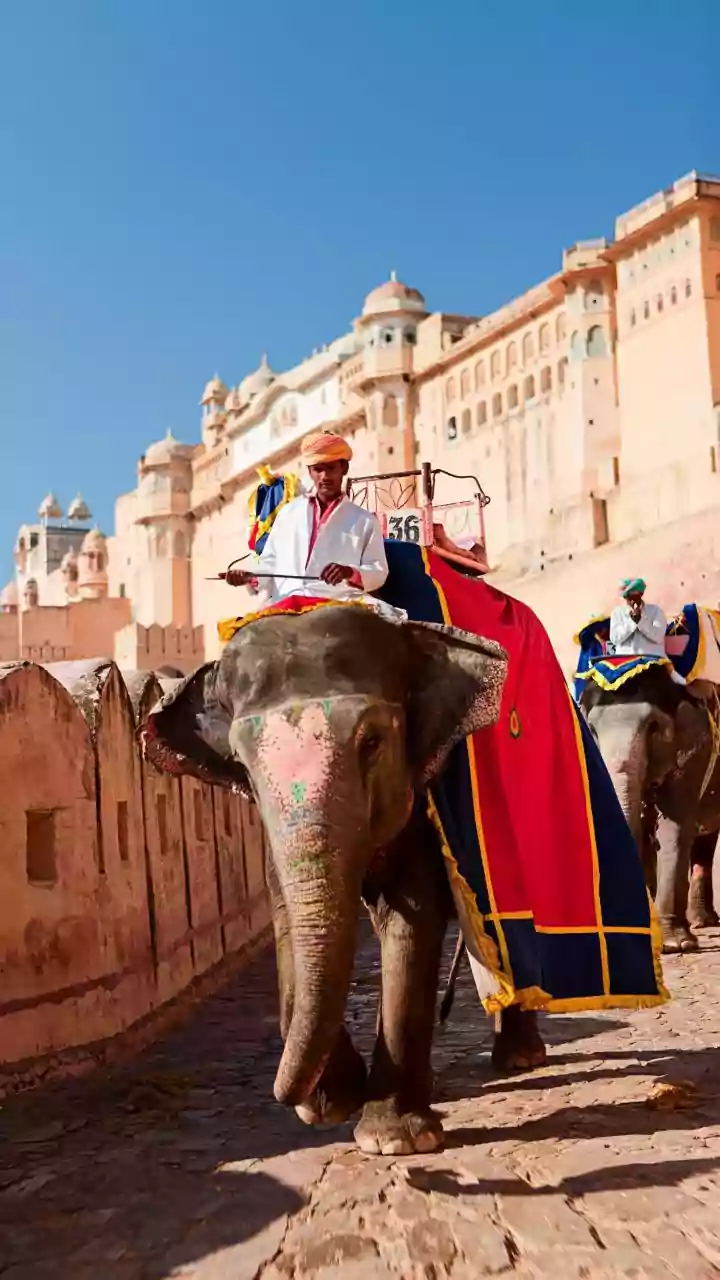
For decades, the classic Indian vacation was a well-oiled machine. It usually involved the entire family, a detailed itinerary hitting every major landmark, and a focus on efficiency. The goal was to see as much as possible, ticking off monuments and temples
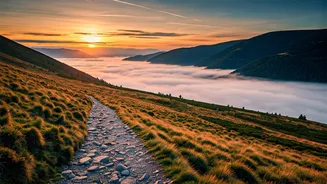
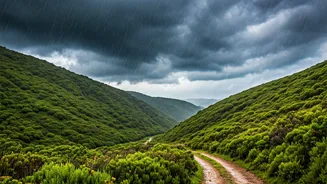
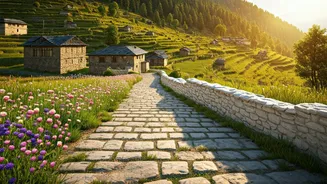
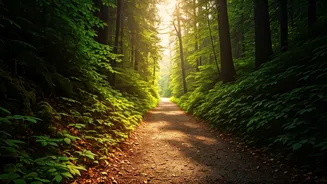
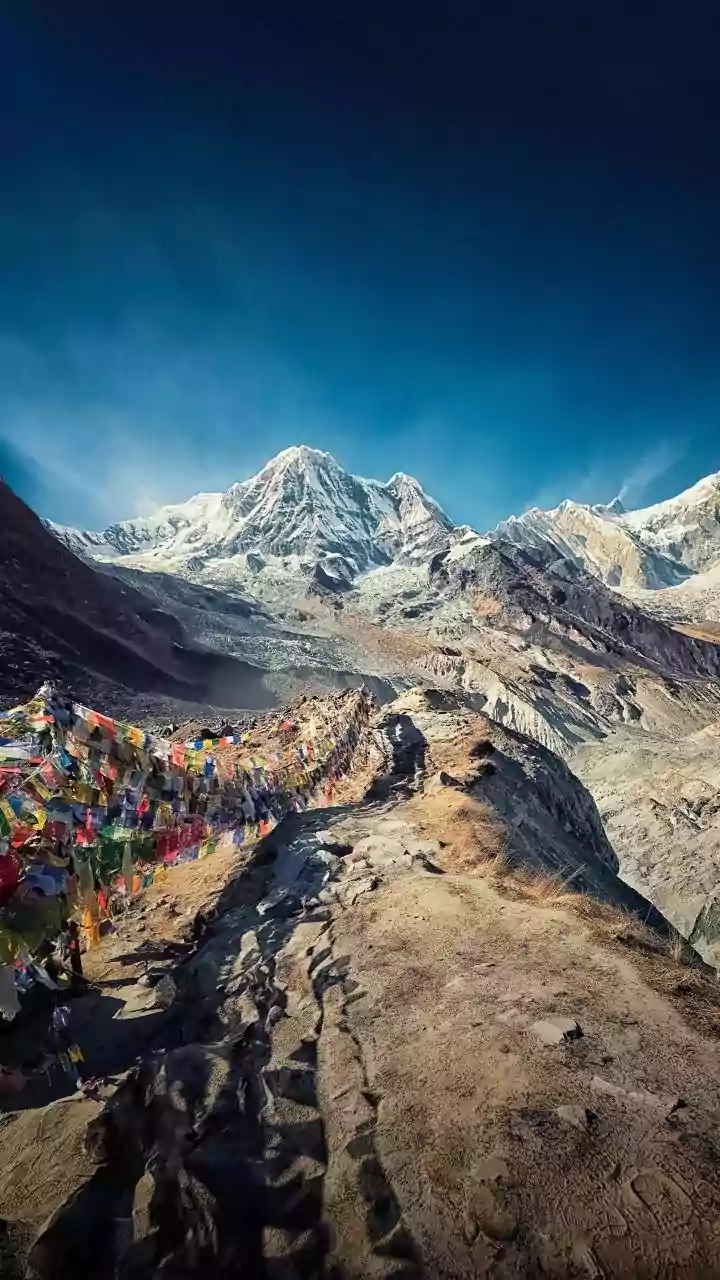
from a pre-approved list. Success was measured in photos taken and sites covered. But for a growing cohort of Indian Millennials and Gen Z, that model feels utterly foreign. Today, the goal isn't just to see a place, but to feel it. This translates to 'mood-based' travel: booking a trip not to 'do' Goa, but to experience its famed 'susegad' (a local term for relaxed contentment). It means choosing a remote Himalayan homestay not for the sights, but for the promise of quiet introspection. The destination is becoming secondary to the desired emotional outcome—be it adventure, serenity, connection, or creative inspiration.
The Drivers of the Shift
This isn't happening in a vacuum. Several powerful economic and social currents are fueling this change. First, India’s booming economy has created a larger middle and upper-middle class with more disposable income than any previous generation. Young professionals, often in tech and creative fields, have the means to travel for leisure, not just pilgrimage or family obligation. Second, the rise of remote work and the gig economy has untethered many from the traditional 9-to-5, making 'workcations' and longer, slower trips possible. Finally, there's a cultural shift toward individualism. Unlike their parents, whose lives were often mapped out within a collective family structure, many young Indians are prioritizing personal growth and self-discovery. Travel has become a key vehicle for that journey.
The End of the All-Inclusive Tour
This new mindset has upended the travel industry. The cookie-cutter group tour is being replaced by niche, experience-led alternatives. There's a surge in solo travel, once a rarity and now a celebrated badge of independence, particularly for women who are charting their own paths across the country and beyond. Instead of staying in large, impersonal hotels, travelers are seeking out boutique properties, eco-lodges, and homestays that offer a genuine connection to the local culture. The new currency isn't a five-star rating but authenticity. Was the food locally sourced? Was the host engaging? Did the experience feel unique and personal? These are the questions that now dominate travel planning, often conducted in specialized Facebook groups and WhatsApp chats rather than through a traditional travel agent.
Curated by Algorithm, Chosen by Heart
Of course, social media plays a huge role. Instagram, YouTube, and Pinterest are the new travel brochures, offering a visual feast of potential 'feelings' to book. A reel of a serene Keralan backwater might inspire a trip centered on tranquility. A vlog from a vibrant music festival in the mountains could spark a journey driven by a need for community and sound. But it's a mistake to dismiss this as merely chasing 'the shot.' For many, social media is a tool of discovery, not just imitation. It’s a starting point. The ultimate decision is an emotional one, a gut feeling that a particular place holds the key to a desired state of mind. The algorithm might surface the destination, but the traveler’s heart makes the final call, choosing the vibe that resonates most deeply with their current life moment.