
Beyond the Single Tubelight
For generations, the lighting scheme in a typical middle-class Indian home was starkly practical. A single, high-wattage fluorescent tubelight mounted high on a wall was often the sole source of illumination for a living room or bedroom. Its job was simple:
banish darkness. The light it cast was often cool, flat, and uniform, prioritizing function over feeling. Aesthetics were a luxury. The focus was on durability and cost-effectiveness, with little thought given to mood, ambiance, or how light could shape a space. This utilitarian approach was a reflection of a more resource-conscious era, where the home was a private sanctuary, not necessarily a canvas for personal expression. Decorative lighting, if it existed at all, was often reserved for the very wealthy or for the temporary, joyous burst of festival season.
The New Layered Look
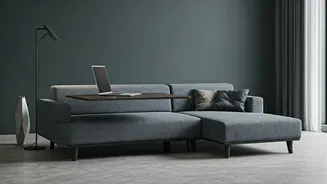
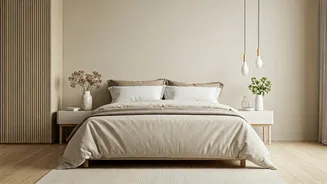
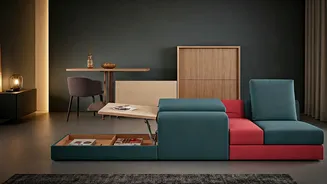
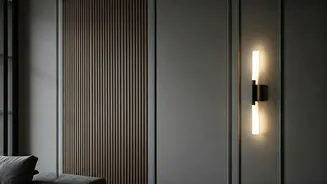
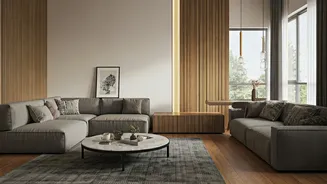
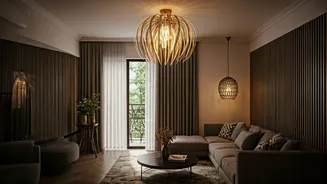
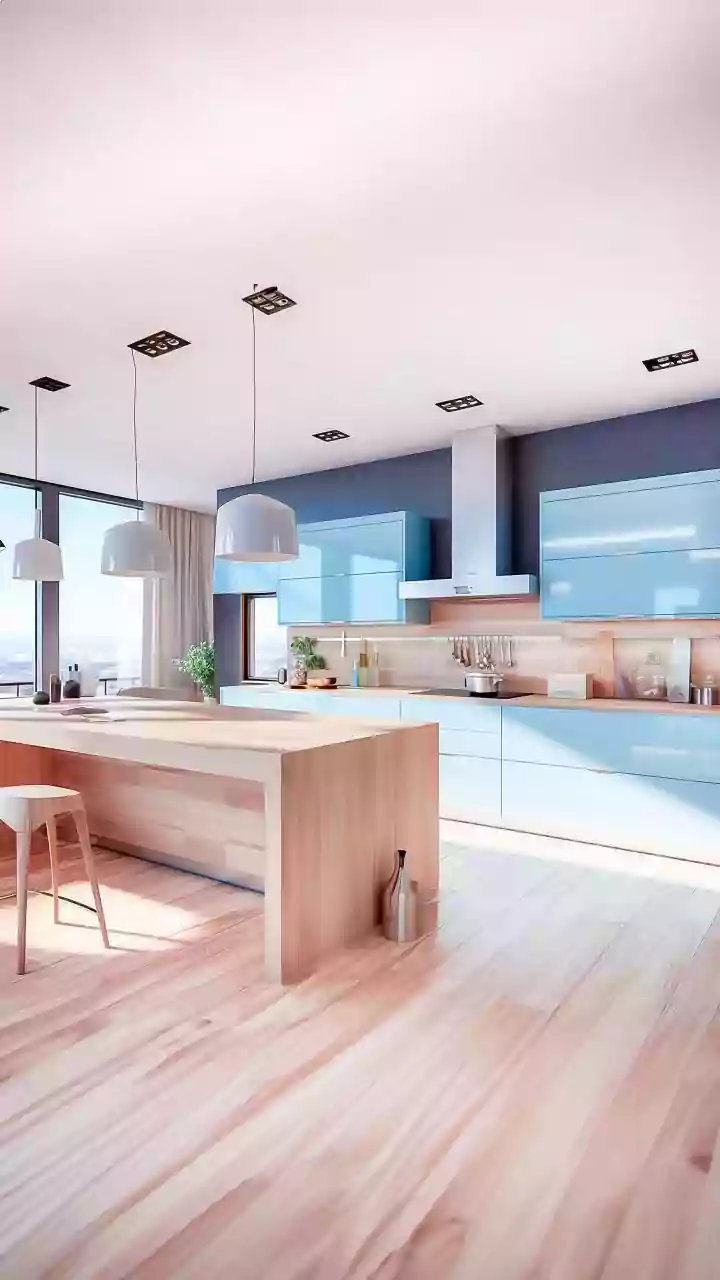
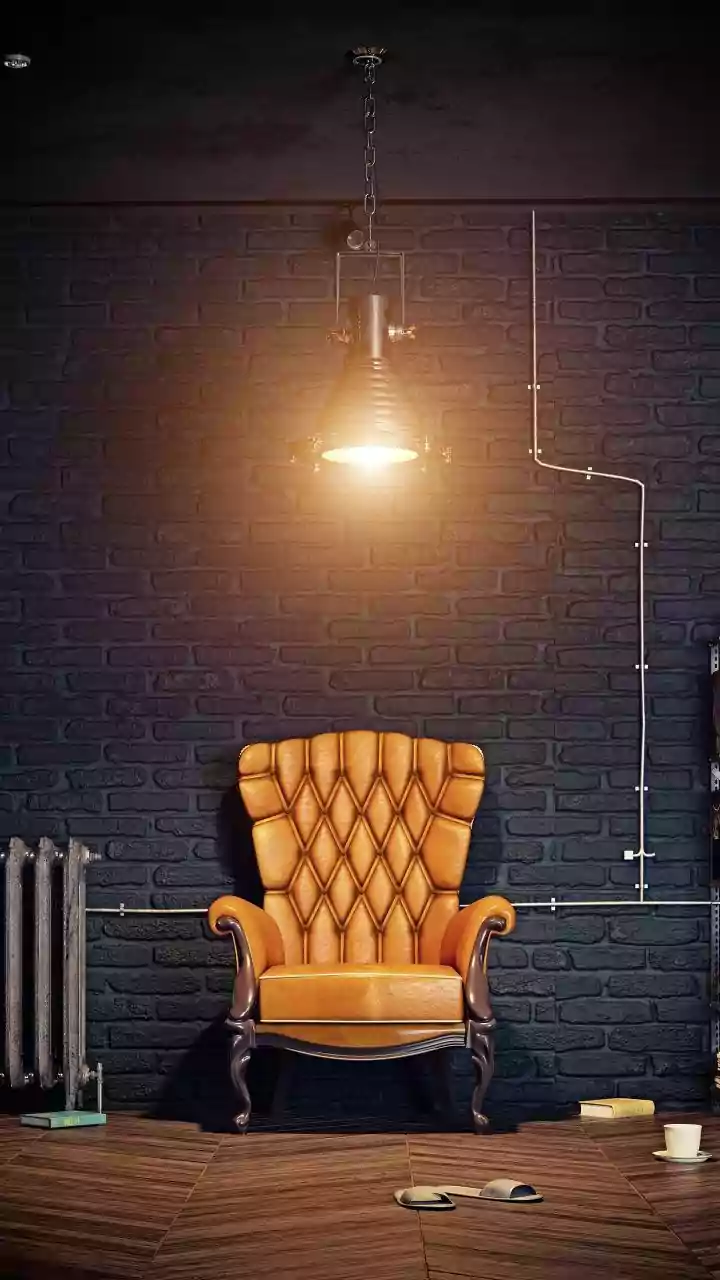
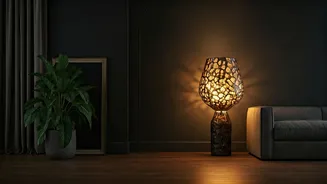
Walk into a newly constructed or renovated urban Indian apartment today, and you'll find a dramatically different story. The single tubelight is gone, replaced by a sophisticated concept designers call “layered lighting.” Instead of one harsh source, multiple fixtures work in concert. A dramatic pendant light might hang over a dining table, creating an intimate focal point. Recessed spotlights, or “can lights,” might wash a wall in a soft glow, highlighting a piece of art. Under-cabinet LED strips add functional task lighting in the kitchen, while a stylish floor lamp creates a cozy reading nook in the corner of the living room. The emphasis is on warmth, texture, and control. Homeowners are embracing warmer color temperatures (moving away from the cool blue-white of old fluorescents) and installing dimmer switches to adjust the mood from bright and energetic to soft and relaxing. This is lighting as a core element of interior design, not an afterthought.
What's Powering the Glow-Up?
This transformation is being fueled by a perfect storm of economic and social trends. First and foremost is the rise of a confident, aspirational middle class with greater disposable income. As incomes grow, spending naturally shifts from basic necessities to lifestyle upgrades, and the home is a primary focus. Second, rampant urbanization and a residential construction boom mean millions of new, modern homes are being built, providing a blank slate for contemporary design. Third, the internet has democratized design inspiration. Platforms like Pinterest and Instagram, along with a boom in Indian home decor influencers, expose homeowners to global trends, creating new desires and expectations. Finally, e-commerce has made once-exclusive products accessible. Online retailers like Pepperfry and Urban Ladder offer a vast selection of stylish lighting at various price points, delivering them to doorsteps in cities and towns across the country, breaking the old barriers of physical access and limited choice.
Modernizing the Festival of Lights
Nowhere is India’s love for light more apparent than during Diwali, the annual “festival of lights.” Traditionally, homes are decorated with temporary lights—earthen oil lamps (diyas) and colorful string lights. While these traditions remain cherished, the new lighting era is changing how people approach festival decor. Instead of just a five-day affair, homeowners are investing in permanent, beautiful fixtures that make their homes feel festive and elegant year-round. The spending on lighting for Diwali now often includes upgrading a chandelier or installing smart, color-changing LED systems that can be programmed for a festive ambiance. The festival has become a catalyst for permanent home improvement. It marks a shift in mindset: why celebrate with light for only one week when you can live in a beautifully lit home every day of the year? This reflects a desire for enduring quality and integrated beauty over temporary ornamentation.