




How Fat Became Public Enemy No. 1
To understand the comeback, we have to go back to the mid-20th century. Americans were facing a rising tide of heart disease, and everyone was looking for a culprit. In the 1950s, a prominent physiologist named Ancel Keys presented his “Seven Countries
Study,” which drew a compelling link between diets high in saturated fat and high rates of heart disease. His research was hugely influential, shaping decades of public health policy. By the 1980s, the U.S. government’s official dietary guidelines put a strict limit on fat intake. The message was simple and absolute: fat is bad. The food industry listened, and the era of “low-fat” everything was born. Supermarket aisles filled with products stripped of their natural fats, from yogurt to salad dressing.
The Low-Fat, High-Sugar Plot Twist
Here’s where the story gets complicated. When food manufacturers removed fat, they faced a problem: their products tasted like cardboard. Fat provides flavor and a satisfying texture. Their solution? They replaced the fat with sugar, refined starches, and salt to make the food palatable again. Americans dutifully consumed these “healthier” fat-free or low-fat products, but obesity and type 2 diabetes rates didn’t fall—they skyrocketed. It turned out we had demonized the wrong nutrient. While our attention was fixed on fat, we were unknowingly loading up on highly processed carbohydrates and added sugars. More recent historical analysis has even shown that the sugar industry actively funded research in the 1960s to downplay the link between sugar and heart disease, shifting the blame squarely onto saturated fat.
A Modern Field Guide to Fats
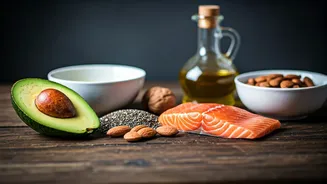
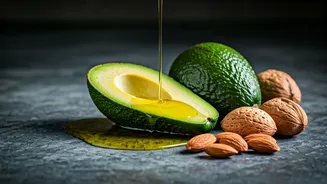
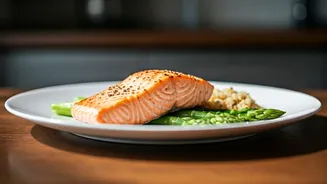
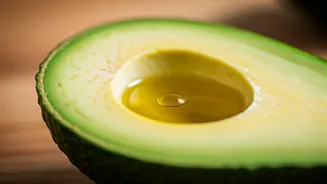
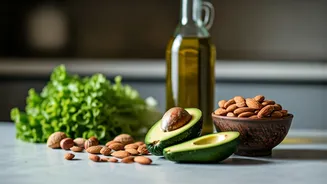
Today, nutrition science has a much more nuanced view. The conversation has shifted from “how much” fat you eat to “what kind” of fat you eat. Not all fats are created equal; they play different roles in the body. Here’s a simple breakdown: * **The Unquestionable Heroes (Unsaturated Fats):** Found in foods like avocados, olive oil, nuts, seeds, and fatty fish (like salmon), these are monounsaturated and polyunsaturated fats. They are celebrated for their anti-inflammatory properties and their role in supporting heart and brain health. This is the category that has been fully exonerated. * **The Complicated Characters (Saturated Fats):** This is the fat in butter, cheese, red meat, and coconut oil—the original villain. The modern consensus is that they are not the poison we once thought. While the American Heart Association still recommends limiting them, many researchers now believe that in the context of a balanced, whole-foods diet, moderate consumption isn't harmful. The key is quality and context: a grass-fed steak is very different from the saturated fat in a highly processed fast-food burger. * **The True Villains (Artificial Trans Fats):** These are the industrial fats created by adding hydrogen to vegetable oil (partially hydrogenated oils). They were once common in margarine, fried foods, and baked goods. There is no debate here: they are terrible for you, increasing bad cholesterol and inflammation. The FDA has effectively banned them from the food supply, a quiet victory for public health.
So, How Should You Eat Now?
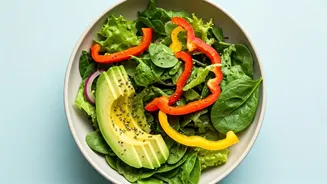
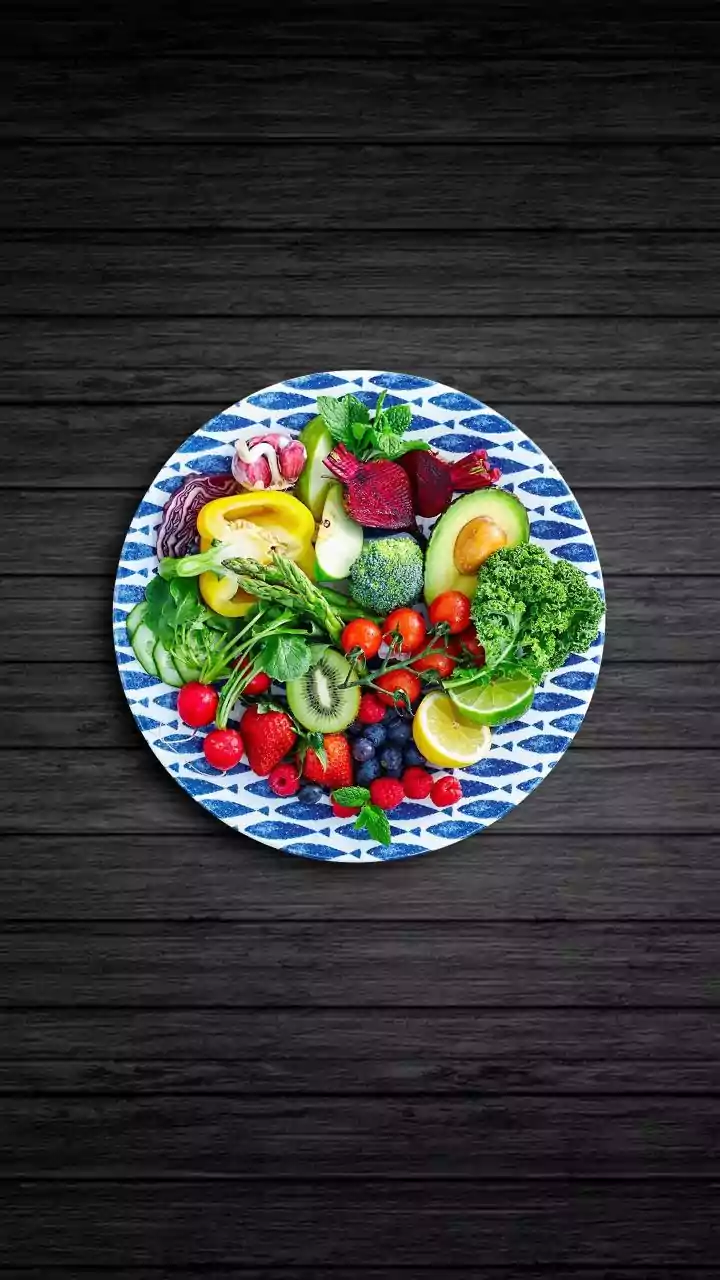
The new paradigm isn't a free pass to drink melted butter. The key takeaway from decades of nutritional whiplash is to stop focusing on a single nutrient and start focusing on whole foods. A diet rich in plants, lean proteins, and healthy fats is the goal. This means embracing the fats found naturally in avocados, nuts, seeds, and high-quality oils. It means not being afraid of full-fat yogurt if it’s unsweetened, or using real butter in moderation instead of a processed margarine filled with strange ingredients. The best approach is to read labels not just for the fat content, but for the ingredient list. If you can’t pronounce half the items, or if sugar is one of the top three ingredients, it’s probably best to put it back on the shelf. The enemy was never fat; it was processed junk.