




Beyond the Food Pyramid
For decades, healthy eating advice has been delivered in broad strokes: eat more vegetables, limit sugar, choose whole grains. These public health guidelines, from the food pyramid to MyPlate, were designed for the masses. But what if the perfect diet
for your neighbor is all wrong for you? That’s the central question driving personalized nutrition. Instead of relying on population-wide averages, this emerging field uses an individual’s specific data—including genetics, gut microbiome composition, and real-time metabolic responses—to generate hyper-specific dietary recommendations. The goal isn’t just weight loss; it’s optimizing overall health, from energy levels and mood to athletic performance and long-term disease prevention. It reframes the question from “What is a healthy food?” to “What is a healthy food for *me*, right now?”
Your Body as a Data Source
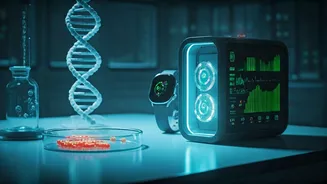
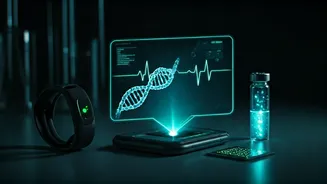
So, how does it actually work? The movement is powered by a new generation of consumer-friendly tech that turns your body into a data stream. Companies like Zoe use at-home kits to analyze your blood fat, blood sugar, and the trillions of bacteria in your gut. You log your meals in an app, and the company’s algorithm scores foods based on how your unique body responds. Other services focus on specific biomarkers. Levels and Nutrisense utilize continuous glucose monitors (CGMs)—small wearable sensors that track your blood sugar in real time—to show you precisely how a banana, a slice of pizza, or a cup of coffee affects you. Meanwhile, services like InsideTracker analyze your blood for dozens of biomarkers, and genetic testing companies offer reports on how your DNA might influence your need for certain nutrients. The result is a flood of personal health data that, in theory, empowers you to make smarter choices than ever before.
Why This Trend Is Exploding Now
Personalized nutrition isn't a brand-new concept, but its arrival in the mainstream is. Several cultural and technological shifts have aligned to make this the perfect moment. First, we’re all wearing computers. The widespread adoption of smartwatches and fitness trackers has normalized the idea of tracking our health metrics 24/7. Second, there's a growing disillusionment with traditional dieting. Decades of conflicting advice and unsustainable fad diets have left many Americans hungry for an approach that feels more scientific and tailored. Finally, the technology itself has become more accessible and affordable. DNA kits are a common holiday gift, and while CGM-based programs can still be pricey, they are no longer confined to the world of elite biohackers and people with diabetes. This convergence has created a powerful market for anyone who wants to move beyond guesswork and take direct control of their health.
The Science and the Skepticism
While the promise is enormous, it’s important to separate the hype from the science. The core idea—that individuals metabolize foods differently—is well-supported. Landmark studies have shown that two people can have wildly different blood sugar responses to the exact same meal. The science of the gut microbiome’s influence on health is also a rapidly advancing and exciting field. However, many experts caution that personalized nutrition is still in its early days. The algorithms used by commercial companies are proprietary, making them difficult for outside scientists to evaluate. Furthermore, while these tools can provide fascinating insights into your body's short-term responses, long-term outcome data showing they prevent disease or significantly extend lifespan is still limited. Critics also point out that these services can be expensive, potentially widening the health gap between those who can afford them and those who can't. They’re a powerful tool for self-discovery, not a magic bullet or a replacement for common-sense healthy habits.