





An Island Born of the River
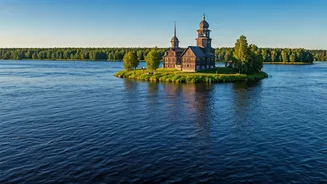
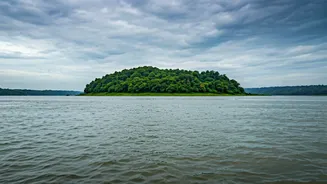
To understand Majuli, you must first understand the Brahmaputra. This immense, sediment-rich river is not just a boundary but the island’s creator and, paradoxically, its destroyer. Formed by the river’s changing course over centuries, Majuli is often
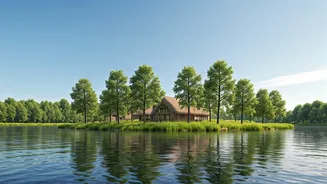
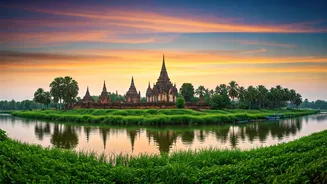
cited as one of the world’s largest river islands, a sprawling canvas of sandbars, wetlands, and emerald-green rice paddies. Life here moves to the rhythm of the water. During the dry season, vast sandbanks emerge, creating temporary roads and pastures. But when the monsoon rains arrive, the river swells, flooding low-lying areas and re-shaping the very geography of the island. This constant state of flux creates a uniquely fertile ecosystem, making Majuli a biodiversity hotspot. It’s a paradise for birdwatchers, with hundreds of species, including migratory birds that travel thousands of miles to winter in its placid wetlands.
The Soul of Assamese Culture
If the river is Majuli’s body, then its soul resides in the Sattras. These unique monasteries are the heart of a 500-year-old Neo-Vaishnavite tradition, a reformist Hindu movement established by the 15th-century saint and artist Srimanta Sankardeva. Far from being silent, somber cloisters, Sattras are vibrant centers of art and culture. For centuries, monks—some of whom enter the order as young boys—have preserved and practiced traditions of devotional music, classical dance (known as Sattriya, now a recognized Indian classical dance form), and intricate craftsmanship. These institutions function as spiritual universities, safeguarding a cultural identity that is deeply intertwined with the Assamese people. Walking through a Sattra, you hear the percussive beat of drums used in Bhaona, a form of religious musical theater, and witness a living history that has been passed down through generations of masters and disciples.
Where Art and Nature Intertwine
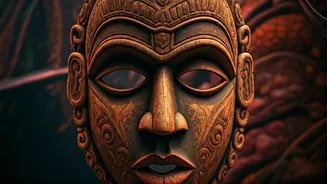
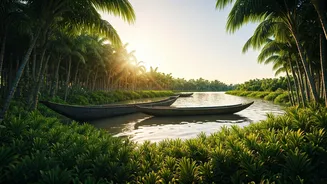
On Majuli, the line between the natural environment and cultural expression is beautifully blurred. The island's heritage is not just preserved within the walls of the Sattras; it grows from the soil itself. The famous masks used in religious performances are not made of synthetic materials but of bamboo, clay, and cow dung—all sourced locally. The intricate boat-making tradition, essential for navigating the river, is a craft perfected over generations. Even the monastery buildings are constructed with a deep understanding of the environment, using bamboo and thatch to create structures that are both resilient and easily rebuilt after floods. The monks live a largely self-sufficient lifestyle, cultivating their own rice and vegetables. This symbiosis demonstrates a profound respect for nature, not as a resource to be exploited, but as a partner in a shared existence.
A Precious and Fragile Paradise
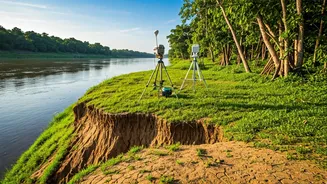
The very force that created Majuli now threatens to erase it. Aggressive erosion from the Brahmaputra, exacerbated by climate change and upstream deforestation, is eating away at the island’s edges. Every year, during the monsoon, chunks of land disappear into the river, forcing families to relocate and threatening the physical existence of the historic Sattras. In the last century, the island is estimated to have lost a significant portion of its landmass. This slow-motion crisis adds a layer of poignancy to Majuli's beauty. The island’s inclusion on UNESCO's tentative list of World Heritage Sites highlights its global importance, but the daily reality for its inhabitants is a battle against the currents. The fight to save Majuli is a fight to preserve not just a piece of land, but one of the world's most unique cultural landscapes.