



Start with Subtraction, Not Addition
The foundation of a mindful home isn't about buying new, calming things; it's about removing the things that cause visual and mental clutter. This goes beyond simple tidying. It’s a deliberate process of letting go of items that don't serve a purpose
or bring you joy. Start with one small area, like a countertop or a single shelf. Handle each object and ask yourself: Is this useful? Is it beautiful? Does it hold positive memories? If the answer is no, it's contributing to the chaos. Creating empty space—what designers call “negative space”—allows your eyes and mind to rest. A decluttered environment reduces overstimulation, lowers stress, and makes room for peace. Before you can build a sanctuary, you must first clear the ground.
Embrace Natural Light and Air
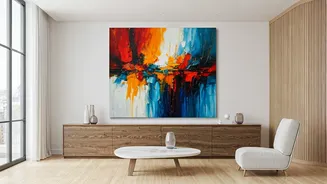
Our bodies are intrinsically linked to the rhythms of nature, and bringing the outdoors in is a cornerstone of mindful design. Maximize natural light wherever possible. Swap heavy, dark curtains for sheer, light-filtering fabrics or simple blinds that can be pulled up completely. Clean your windows regularly to let in every possible ray of sunshine. A sun-drenched room not only feels larger and more inviting but can also boost your mood and regulate your sleep cycle. Similarly, fresh air is vital. Open your windows daily, even for just a few minutes, to circulate the air and clear out stagnant energy. This simple act revitalizes a space, making it feel fresh, clean, and alive.
Incorporate Natural Materials and Textures
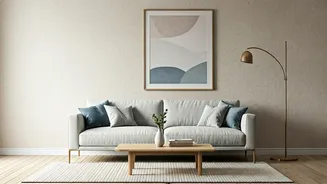
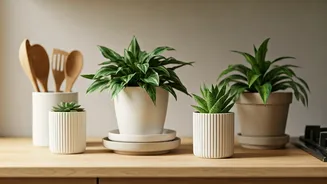
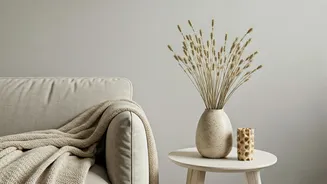
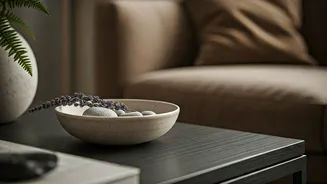
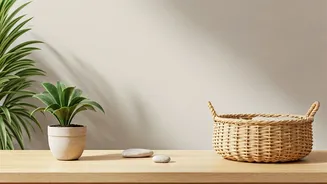
Connecting with nature is proven to reduce stress, and you can foster that connection through your decor. Fill your home with materials that come from the earth. Think of a soft wool blanket, a solid wood coffee table, linen cushions, stone coasters, or a rattan armchair. These materials provide a tactile richness that plastic and synthetic items lack. The subtle imperfections in a piece of wood grain or the woven texture of a jute rug engage our senses and ground us in the present moment. Don't forget to add plant life. A few well-placed houseplants not only purify the air but also add a touch of vibrant, living green that instantly calms the nervous system.
Choose Items with Intention and Story
Mindful interiors are the antidote to fast-fashion home decor. Instead of filling your space with trendy, mass-produced items that will feel dated in a year, focus on curating a collection of objects that have personal meaning. A mindful home tells a story—your story. This could be a piece of art made by a friend, a vase found at a flea market on a memorable trip, or a quilt passed down from a grandparent. When every object has a purpose or a positive association, your home becomes a reflection of your life and values, not a catalog showroom. This approach encourages slower, more thoughtful consumerism and creates a deeply personal and comforting environment.
Create Designated Zones for Calm
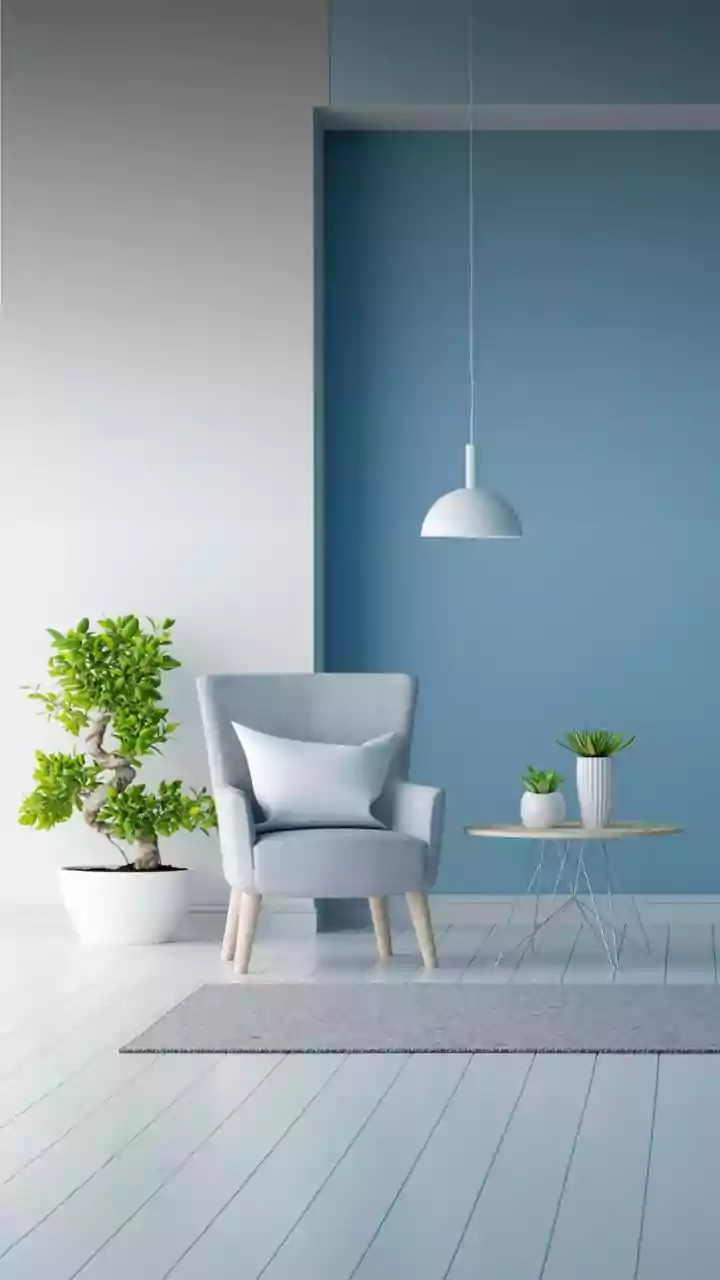
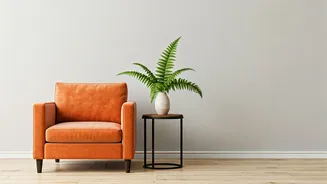
Your home should have spaces that are explicitly designed for rest and rejuvenation. You don't need an entire room; a small corner can be just as effective. Create a dedicated reading nook with a comfortable chair, a good lamp, and a small side table for a cup of tea. Designate a specific spot for morning meditation with a cushion and nothing else. Keep your bedroom a screen-free zone dedicated only to sleep and rest. By assigning a specific, calm-inducing purpose to a space, you train your brain to switch gears when you enter it. This helps create clear boundaries between work, stress, and relaxation, making it easier to unwind and recharge within your own four walls.
Engage All Your Senses
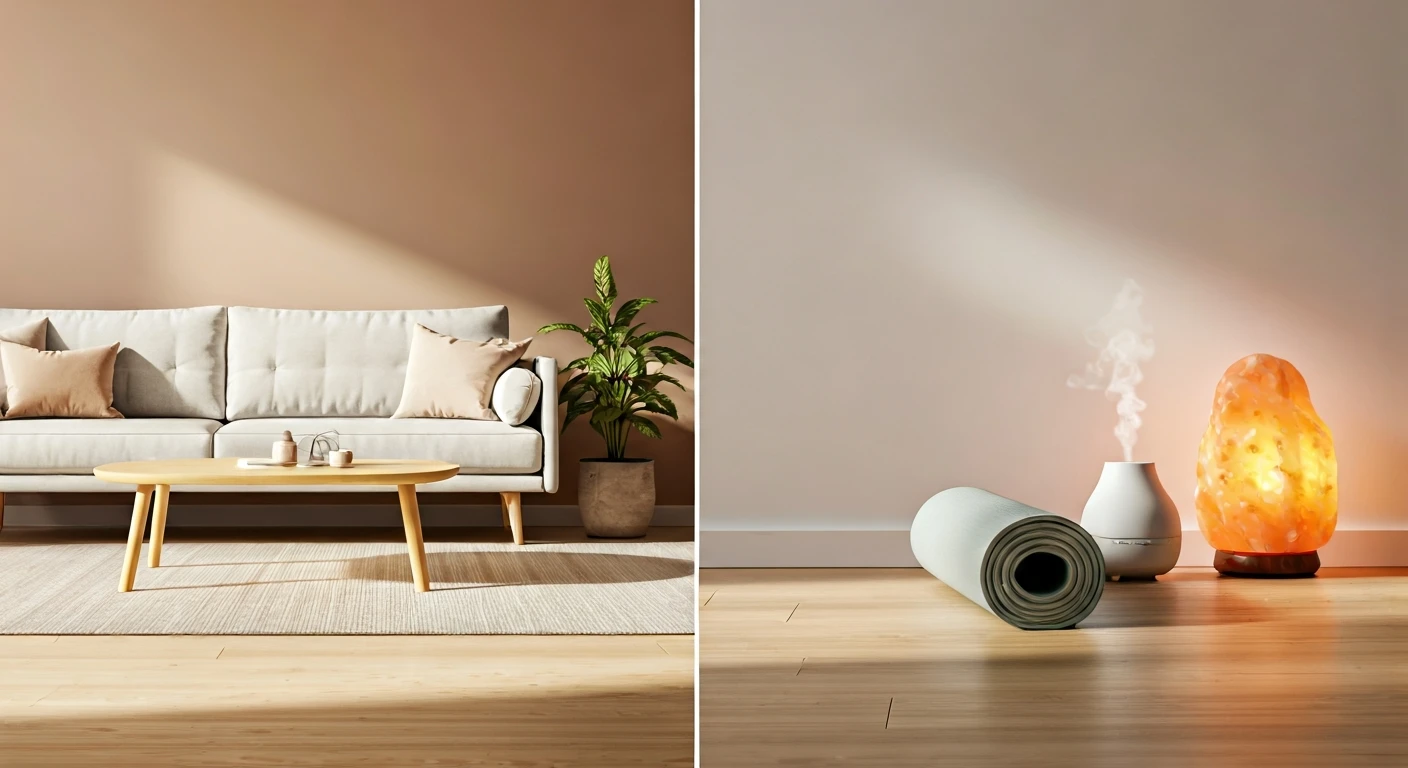
A truly mindful space appeals to more than just the eyes. Consider how your home feels, smells, and sounds. Introduce soft textures through plush rugs and cozy throws. Use an essential oil diffuser with calming scents like lavender or sandalwood to set a tranquil mood. Pay attention to the soundscape of your home. Is it dominated by the buzz of electronics or the noise from the street? Consider a small indoor water feature for the gentle sound of flowing water, or simply play calming, ambient music. By creating a multi-sensory experience, you craft a holistic environment that fully immerses you in a state of peace and pulls you away from the digital chaos of the outside world.