

So, What Is a Steamed Plate?
Let’s get one thing straight: this isn’t about a sad plate of mushy broccoli. A steamed plate is a concept more than a rigid recipe, popular in many parts of Asia where hot, humid weather is the norm. Think of it as a customizable, savory bowl built from
components that are cooked gently with steam. The foundation is often a steamed protein—like a silky, custardy egg reminiscent of Chinese *zheng dan geng* or Japanese *chawanmushi*—surrounded by vibrant, tender-crisp vegetables and perhaps served over a small scoop of grains. It’s a complete meal, but one that feels incredibly light and clean. Unlike a heavy, fried American breakfast, nothing is greasy or weighed down. It’s the polar opposite of a gut-busting brunch; it’s a quiet, nourishing start that respects the day’s heat.
The Counterintuitive Genius of Warm Food
Okay, the big question: Why eat something warm when you’re already sweating? It seems backward, but there’s a logic to it that cultures in hot climates have understood for centuries. When you consume ice-cold food or drinks, your body has to work harder to raise its internal temperature back to a normal 98.6°F, a process that can actually generate more metabolic heat in the long run. A gently warm meal, however, is closer to your body’s core temperature. It’s easier to digest and can induce a very mild perspiration, which is your body’s most effective natural cooling system. It’s not about eating a scalding-hot soup. It’s about consuming food that works *with* your body’s thermoregulation, not against it. The result is a feeling of balanced, sustained energy, rather than the shocking jolt and subsequent crash that an icy smoothie can sometimes provide.
Your Steamed Plate Blueprint
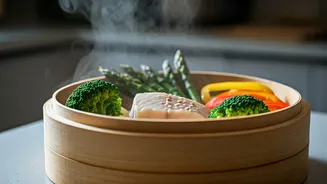
The beauty of the steamed plate is its versatility. You can build one in minutes with a simple bamboo or metal steamer basket set over a pot of simmering water. Here’s a simple framework: 1. **The Protein Powerhouse:** The star is often a steamed egg. Whisk one or two eggs with an equal amount of water or unsalted broth, a pinch of salt, and pour into a heatproof bowl. Steam for 8-12 minutes until just set. Other great options include a block of silken tofu, edamame, or a small piece of fish like cod or salmon steamed with ginger and scallions. 2. **The Vibrant Veggies:** This is where you add color and nutrients. Throw in quick-steaming vegetables for the last 3-5 minutes of cooking. Think spinach, sliced bok choy, asparagus spears, broccoli florets, or snow peas. They should be bright and tender-crisp, not army-green and limp. 3. **The Flavor Finish:** Once your plate is assembled, the finish is everything. A simple drizzle of low-sodium soy sauce and a few drops of toasted sesame oil is classic. For a modern twist, add a spoonful of chili crisp for heat and texture, a sprinkle of toasted sesame seeds, or a shower of freshly chopped scallions or cilantro. These accents provide a savory punch that makes the simple components sing.
Why It Beats the Usual Summer Go-Tos
Let’s be honest about our other summer breakfast habits. The giant fruit smoothie? It often delivers a massive sugar spike that leads to a mid-morning energy crash. A bowl of cold cereal with milk? Refreshing for a moment, but rarely keeps you full. And a classic weekend breakfast of bacon and fried eggs? It feels heavy and greasy, a surefire recipe for feeling sluggish when it’s 90 degrees out. The steamed plate offers a compelling alternative. It’s packed with protein and vegetables for lasting energy, free of refined sugars and heavy fats, and hydrating thanks to the high water content of its components. It satisfies the craving for a savory, substantial breakfast without weighing you down, leaving you feeling energized, balanced, and ready to face the heat.