



Beyond the 'Superfood' Label
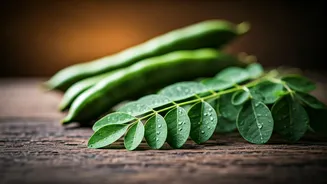
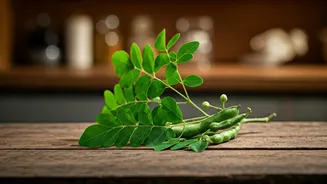
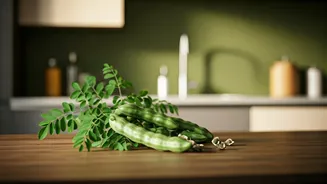
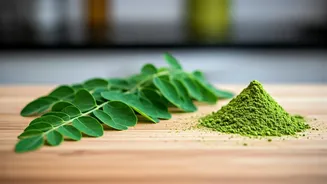
Before moringa became a trendy, high-priced powder in Western health food stores, it was simply food. The leaves come from the *Moringa oleifera* tree, also known as the drumstick tree for its long, slender seed pods (which are another popular vegetable
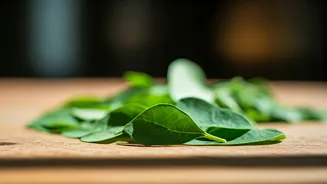
in their own right). For generations, particularly in South India, these small, tear-drop shaped leaves have been a go-to green, valued not for their marketing hype but for their accessibility, flavor, and ease of use. Unlike kale or collards, which require significant prep and cooking time, moringa leaves are delicate. They cook in minutes, wilting into dishes much like spinach, but with a unique, subtly earthy flavor that’s less bitter than fenugreek and less overpowering than mustard greens. This makes them an easy and nutritious addition to a meal without demanding the spotlight.
The Definition of Practicality
What makes an ingredient “practical” in a cuisine known for its complexity? It comes down to three things: speed, versatility, and nutrition. Moringa leaves check all three boxes. They cook in under five minutes, making them perfect for busy weeknight meals. You can toss a handful into a simmering pot of lentils or a vegetable stir-fry at the very end of cooking, and they’ll be ready by the time you set the table. Their mild taste allows them to blend seamlessly into a wide array of dishes, absorbing the flavors of the spices they’re cooked with. This is a key trait in Indian cooking, where the harmony of the masala (spice blend) is paramount. Finally, they pack a nutritional punch, rich in iron, vitamin C, and protein. For a largely vegetarian culinary tradition, getting that much nutrition from a simple, fast-cooking green is the very definition of kitchen efficiency.
The Heart of Dals and Stir-Fries
The most common and beloved use for moringa leaves is in dal, the quintessential Indian lentil stew. Adding a cup of moringa leaves to a pot of *toor dal* (split pigeon peas) or *moong dal* (split mung beans) transforms a simple dish into something more substantial and flavorful. The leaves soften but don't turn to mush, providing a pleasant textural contrast to the creamy lentils. Another classic preparation is a South Indian *thoran* or *poriyal*, a simple stir-fry with grated coconut, mustard seeds, and chilies. In this format, the moringa leaves are the star. The dish comes together in minutes and serves as a perfect, healthy side for rice and yogurt. It showcases the leaf’s ability to stand on its own without needing a heavy sauce or complex preparation.
More Than Just a Side Dish
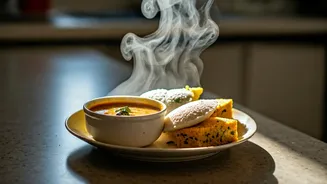
Moringa’s practicality extends beyond curries and stews. The leaves are frequently mixed into the dough for flatbreads like *thepla* or *paratha*, infusing them with flavor and nutrients without compromising their texture. They can also be added to savory rice dishes, omelets, and batters for pancakes like *adai*, a mixed-lentil crepe popular in Tamil Nadu. In a pinch, they can even be crisped up in a little ghee or oil with some spices and sprinkled over dishes as a garnish, adding a crunchy, savory element. This adaptability is what has cemented moringa’s place in the Indian home cook’s arsenal. It isn’t a special-occasion ingredient; it’s an everyday workhorse that adds value with minimal effort.
Finding and Using Moringa in the U.S.
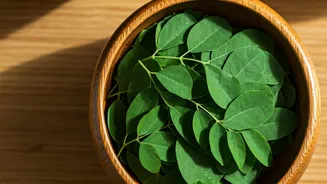
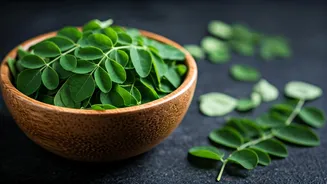
For American home cooks eager to experiment, moringa is more accessible than you might think. Fresh leaves on the stem are often available at Indian or Asian grocery stores. Look for vibrant green leaves and avoid any that are yellowing or dry. To prepare them, simply strip the small leaves from the tough central stems—a task that can be meditative. The leaves don't store well fresh, so it's best to use them within a day or two. A more convenient option is to buy them frozen, which works perfectly for dals, curries, and doughs. When using fresh leaves, wash them thoroughly and add them to your dish in the last few minutes of cooking. A little goes a long way, but their mildness means you can be generous without overwhelming the other flavors.