





The Grand Arrival: The Monsoon
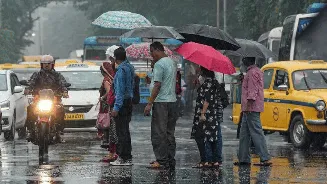
Forget a simple change in weather; the arrival of the monsoon is the biggest protagonist in India’s yearly story. After months of oppressive, searing heat, the first dark clouds and drops of rain are met with a collective sigh of relief that is both physical
and spiritual. The monsoon, or ‘chaturmas,’ dictates everything. It replenishes rivers, nourishes the soil for the Kharif crop season that feeds the nation, and inspires a wave of art, music, and poetry. The earthy smell of the first rain hitting dry ground, known as 'petrichor,' is a scent of national celebration. In cities, children rush out to dance in the downpour, and street vendors start hawking roasted corn on the cob (‘bhutta’) and hot, spiced tea (‘chai’). It’s not just a weather event; it’s the renewal of life itself, a spectacle that has shaped Indian culture for millennia.
Ganga Dussehra: A River’s Heavenly Birthday
Imagine celebrating the birthday of a river. That's essentially Ganga Dussehra, a Hindu festival that honors the day the sacred River Ganges is said to have descended from heaven to earth. Primarily celebrated in states like Uttar Pradesh, Uttarakhand, and Bihar, this ten-day festival sees thousands of pilgrims flock to the river's banks. They gather in holy cities like Varanasi and Haridwar to take a ritual dip in the water, which is believed to cleanse one of sins and purify the soul. The atmosphere is electric. Priests perform elaborate ‘aarti’ ceremonies at dusk, where massive, tiered lamps are rhythmically waved to the sound of bells and chants, their flames reflecting in the flowing water. It’s a powerful, visual reminder of the deep spiritual connection between faith and nature in India.
Eid al-Adha: The Festival of Sacrifice and Community
June often hosts one of the most important holidays in the Islamic calendar, Eid al-Adha. Known as the Festival of Sacrifice, it commemorates the story of Ibrahim’s (Abraham's) willingness to sacrifice his son as an act of obedience to God. For India’s massive Muslim population, it’s a time for prayer, reflection, and community. The day begins with special prayers at mosques and open grounds. The core of the festival is the symbolic sacrifice of an animal, with the meat divided into three parts: one for the family, one for friends and relatives, and one for the poor and needy. This act reinforces themes of charity, selflessness, and social responsibility. Homes are filled with the aroma of rich biryani and sweet desserts, and it’s a time when people of all faiths are often welcomed to share in the feast, strengthening social bonds.
Raja Parba: A Unique Ode to Womanhood and the Earth
Perhaps one of the most unique and beautiful festivals in June happens in the eastern state of Odisha. Raja Parba (pronounced ‘raw-jaw’) is a four-day festival that celebrates womanhood, menstruation, and the earth's fertility. It’s built on the belief that Mother Earth, or Bhudevi, menstruates for three days to prepare for the coming agricultural season. During this time, all farming activities stop. The earth is given a rest—no plowing, no digging. In parallel, women and unmarried girls are given a break from household chores. They wear new clothes, play on decorative swings, eat special cakes called 'pitha,' and celebrate. It’s a remarkable tradition that joyfully equates female fertility with the planet's own, destigmatizing menstruation and framing it as a powerful, creative force worth honoring.