





Beyond the Guidebook
The fundamental promise of a great homestay is access—not just to a room, but to a local’s perspective. While a hotel concierge might point you to the most popular, well-trodden hiking trail, a homestay host is more likely to tell you about the little-known
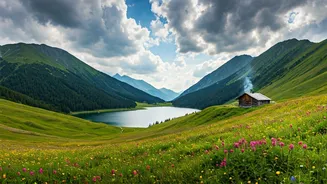
scenic overlook with a better sunset view, or the backroad that winds through a valley of wildflowers. They know which cafe has the best espresso, which farmers market stall sells the sweetest peaches, and which brewery the locals actually frequent on a Friday night. This isn't information you find on a TripAdvisor top-ten list. It’s earned knowledge, shared over a morning coffee or a welcome chat on the porch. This personal curation transforms a standard vacation into a bespoke experience, making you feel less like a tourist and more like an honorary resident for a few days.
The Comforts of Place
Hotels are designed for efficiency and anonymity. A room in Asheville, North Carolina, often feels disappointingly similar to one in Aspen, Colorado. Homestays, by contrast, are rooted in a sense of place. They are someone’s actual home, filled with personality—the quirky art, the overstuffed bookshelves, the hand-stitched quilts. Instead of a mini-fridge with overpriced sodas, you might get a full kitchen stocked with local coffee and a note from your host pointing you to their favorite cast-iron skillet. The experience is tactile and immersive. You’re not just sleeping in a town; you’re inhabiting a small piece of it. This ability to settle in—to cook a real meal, light a fire in the hearth, or watch the deer from a private deck—creates a deeper, more restful connection to the destination.
A Genuine Human Connection
In an increasingly automated world, the desire for genuine human interaction is a powerful motivator. A hotel stay is, by design, transactional. You check in, you get a key, and you might not speak to another staff member until checkout. A homestay offers the potential for a real connection. While many hosts offer contactless check-in for privacy, the best ones make themselves available, sharing stories about the area’s history, their family, or how they ended up in that beautiful mountain town. This exchange, however brief, grounds the travel experience in humanity. It replaces the sterile corporate logo with a friendly face. For many travelers, knowing that their money is directly supporting a local individual or family, rather than a multinational hotel chain, adds another layer of meaning to their trip. It's a small act of participating in a local economy, one that fosters community instead of just extracting value from it.
Finding the Right Fit
Of course, not all homestays are created equal, and finding the right one is key to unlocking this personal experience. The secret is in the details. When browsing listings on platforms like Airbnb or Vrbo, look beyond the photos. Read the host’s bio—do they sound passionate about their community? Scour the reviews for keywords like “helpful,” “welcoming,” or “great recommendations.” A host who has taken the time to write a detailed guide to their favorite local spots is a great sign. Don’t be afraid to send a message before booking, asking a question about the area. A thoughtful, prompt reply is often an indicator of a host who is engaged and genuinely cares about their guests' experience. The goal is to find a place that aligns with the kind of trip you want to have, whether it’s a secluded cabin for quiet reflection or a room in a lively home at the center of town.